





Beyond the Usual Suspects
For generations, the arrival of the rains has been synonymous with a specific set of cravings: crispy pakoras, steaming samosas, and roasted corn on the cob (bhutta). While the love for these timeless snacks remains unwavering, the country's monsoon menu
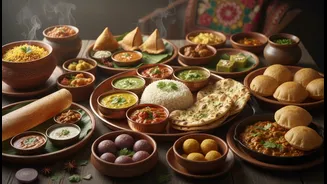
is expanding dramatically. A delicious shift is underway, moving past the universally loved but limited roster of rainy-day treats. Kitchens, from humble homes to high-end restaurants, are now exploring and celebrating a much wider and more diverse array of regional and seasonal delicacies that have long been part of India's culinary heritage but were often confined to specific communities or forgotten over time. This revival is adding new textures, flavours, and stories to the national monsoon food map.
The Revival of Regional Treasures
Across India, there's a renewed appreciation for hyper-local ingredients and traditional recipes that are perfectly attuned to the season. In Maharashtra, for instance, wild greens like Shewla (dragon stalk yam) and Phodshi, which grow abundantly in forests during the monsoon, are being turned into flavourful bhajis. In the Konkan region, kitchens are reviving patholi—sweet rice dumplings stuffed with coconut and jaggery, steamed in fragrant turmeric leaves that flourish during the rains. Meanwhile, in Chhattisgarh, Aamat, a comforting and tangy soup traditionally made with bamboo shoots, is finding its way back to family tables. From Kerala's medicinal Karkidaka Kanji, a rice gruel infused with herbs to boost immunity, to Karnataka's akki rotti paired with coconut chutney, forgotten recipes are being rediscovered and celebrated.
The Modern, Health-Conscious Twist
The increasing richness of the monsoon food map isn't just about reviving the old; it's also about reinventing it. A growing wave of health consciousness is inspiring chefs and home cooks to create lighter, more nutritious versions of monsoon classics. Deep-frying is making way for air-frying, baking, and grilling. You'll now find baked whole-wheat mathri, air-fried lotus stem chips, and grilled paneer tikka sharing space with traditional fried snacks. This trend extends to ingredients as well, with a focus on foods that boost immunity. Spices like turmeric, ginger, and black pepper are being celebrated for their anti-inflammatory and digestive properties. Soups, herbal teas, and fermented foods like Odisha's Pakhala Bhata are gaining popularity for their gut-friendly benefits, aligning with Ayurvedic principles that recommend light, easily digestible foods during the damp season.
From Street Food to Fine Dining
The humble monsoon snack is also getting a gourmet makeover. Fine-dining restaurants and trendy cafes are reinterpreting classic rainy-day dishes with sophisticated flair. For example, Taj Agra has recently curated a monsoon menu featuring a Jamun Chaat Tart, a modern take on street food that combines the seasonal fruit with spices on a tart crust. Similarly, restaurants are offering everything from Thecha Paneer Pizza to Lamb Rendang and Seafood Kari on their special monsoon menus. This trend shows a desire to elevate comfort food, transforming traditional flavours into a more refined dining experience. It's a testament to the versatility of Indian cuisine, where a simple pakora can inspire a dish worthy of a chef's tasting menu.