





What Exactly Are 'Salt' Batteries?
When we talk about 'salt energy storage,' we're referring to sodium-ion batteries. They work on a principle similar to the lithium-ion batteries currently powering most electric vehicles (EVs) and smartphones. Energy is stored and released by moving ions
between a positive and a negative electrode. The key difference, as the name suggests, is that these batteries use sodium ions instead of lithium ions. Sodium is the sixth most abundant element on Earth, found everywhere in seawater and salt deposits. This starkly contrasts with lithium, which is scarcer, more geographically concentrated, and often called 'white gold' for its value.
The Core Advantage: A Significant Cost Reduction
The primary driver behind the excitement for sodium-ion technology is its potential to drastically cut costs. Since sodium is incredibly abundant, its raw material cost is a fraction of lithium's. This isn't the only saving. Sodium-ion batteries can use aluminium foil for their internal components, which is cheaper than the copper foil required in lithium-ion cells. Some analyses suggest sodium-ion batteries could be 30-40% cheaper to produce than their lithium-ion counterparts. For a price-sensitive market like India, where the battery can account for a huge chunk of an EV's total cost, this reduction is a potential game-changer, especially for the entry-level two-wheeler segment.
A Good Fit for Urban Scooters
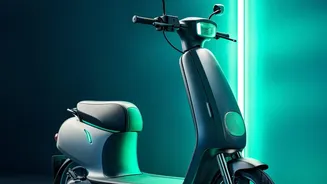
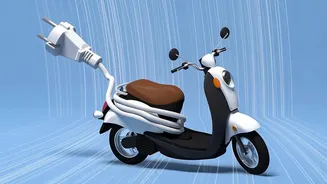
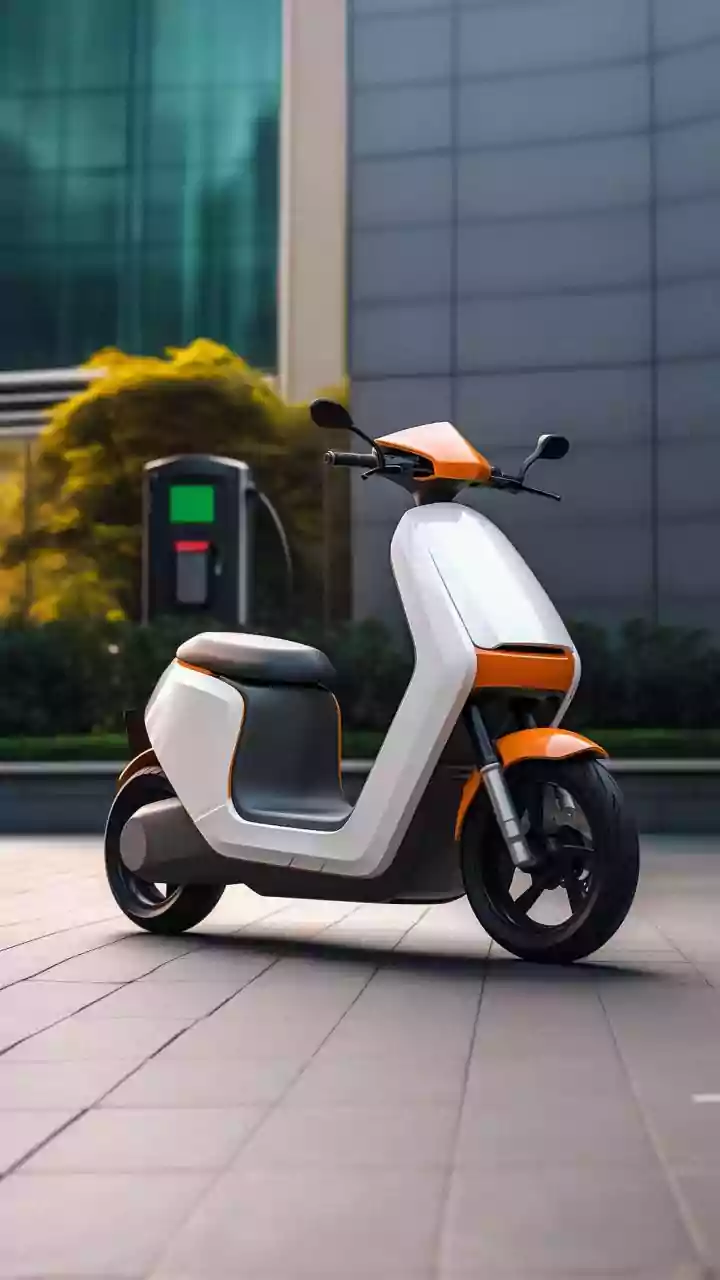
Sodium-ion batteries do come with a trade-off: energy density. Currently, they store less energy per kilogram than high-end lithium-ion cells. This means that for the same range, a sodium-ion battery pack might be heavier or bulkier. However, this isn't a dealbreaker for all vehicles. For entry-level electric scooters designed for daily city commutes of 50-80 kilometres, absolute top-tier range and blistering acceleration are less important than affordability and reliability. The performance of sodium-ion is more than adequate for these use cases, making them an ideal solution to bring down the sticker price of urban-focused EVs.
What Are the Other Benefits?
Beyond cost, sodium-ion technology offers several other compelling advantages. They demonstrate better performance in extreme temperatures, both hot and cold, compared to some popular lithium chemistries. They also boast impressive safety credentials, with greater thermal stability that reduces the risk of fire. Furthermore, they can be safely discharged to zero volts for transport or storage, which is a significant logistical and safety benefit over lithium-ion batteries. Some of the latest designs also promise a long lifespan, with the ability to retain 80% capacity for 3,000 to 6,000 charge cycles, and feature faster charging capabilities.
The 'Make in India' Push
Several major Indian companies are betting big on sodium-ion technology, aligning with the nation's push for self-reliance in the EV sector. Reliance New Energy has acquired Faradion, a leading UK-based sodium-ion tech company, with plans to build a gigafactory in Jamnagar to produce these batteries. Meanwhile, Pune-based software and engineering firm KPIT has developed its own indigenous sodium-ion battery technology, which it is commercialising with partner Trentar. Startups like Indi Energy are also innovating, developing ways to make battery components from agricultural waste. This local push aims to reduce India's dependency on imported battery materials and cells, enhancing energy security and creating a domestic supply chain.