






Set a Realistic Starting Goal
The standard advice is to save three to six months' worth of essential living expenses, which can feel daunting. If your income or costs are unpredictable, some experts even suggest a larger cushion of up to nine months. But don't let the perfect be the enemy
of the good. Instead of getting overwhelmed by a large number, start with a smaller, more achievable goal. Aim for an initial target like ₹25,000 or one month's rent. Hitting this first milestone builds confidence and momentum, making it easier to continue saving. An emergency fund isn't an all-or-nothing project; it's a habit you build over time, one small step at a time.
Make Saving Your First 'Bill'
One of the most effective saving strategies is the 'pay yourself first' method. Instead of waiting to see what's left at the end of the month, treat your savings contribution like any other mandatory bill. The best way to do this is through automation. Set up an automatic transfer from your primary bank account to a separate savings account, scheduled for the day you receive your salary. Even a small, consistent amount makes a huge difference over time. By automating the process, you remove the daily debate of whether to save or spend. The money is moved before you have a chance to miss it, making saving an effortless part of your financial routine.
Adopt a Flexible Budget
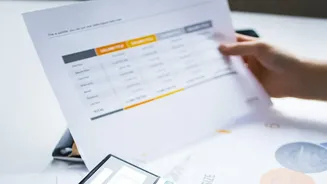
When expenses are constantly changing, a rigid, line-by-line budget is destined to fail. What you need is a flexible spending plan. Start by tracking your expenses for a month to get a clear picture of where your money is actually going. Use an app or a simple spreadsheet to categorise your spending into needs, wants, and savings. This 'cost audit' helps you identify non-essential areas where you can cut back without feeling deprived, such as unused subscriptions or frequent dining out. The goal isn't to eliminate all fun but to make conscious choices that align with your savings goals and free up cash for your emergency fund.
Choose the Right Home for Your Fund
Your emergency fund should be kept separate from your everyday transaction account to avoid accidentally spending it. However, it also needs to be easily accessible in a true emergency, without penalties. This rules out long-term investments like stocks or mutual funds, which can lose value. The ideal place is a high-yield savings account (HYSA). These accounts typically offer significantly higher interest rates than traditional savings accounts, allowing your money to grow faster and better keep pace with inflation. Look for an account with no monthly fees and a competitive interest rate. This ensures your safety net is not only safe but also working for you.
Find and Redirect 'Hidden' Money
Even on a tight budget, there are often pockets of money you can redirect toward your savings. Start by reviewing your recurring bills—phone, internet, and insurance. A quick call to your provider or a search for competitive offers might lower your monthly payments. Look for ways to reduce variable costs, like planning meals to cut down on grocery bills and food waste. Any unexpected income, like a work bonus, a small refund, or cash gifts, should be seen as an opportunity to fast-track your fund. Instead of letting this extra money get absorbed into regular spending, make a conscious decision to deposit a significant portion directly into your emergency savings.