

The Great Indian Snack-Over
Not long ago, 'protein' in India was a term mostly heard in discussions among serious athletes and bodybuilders. It conjured images of large tubs of whey powder and specialised, often expensive, bars. Today, that picture has fundamentally changed. From
protein-infused chips and biscuits to fortified dosa batter and Greek yoghurt, high-protein options are becoming a common sight in supermarkets and online grocery carts across the country. This evolution signals a major shift in consumer consciousness. It’s not just a passing fad but a deep-seated change in how everyday Indians think about food, wellness, and nutrition. The conversation has moved from niche fitness forums to daily dinner table discussions, reflecting a broader understanding of protein as a vital macronutrient for overall health, not just for building muscle.
A New Health-Conscious Consumer
The primary driver behind this trend is a growing wave of health and wellness awareness, especially among urban millennials and Gen Z. This new generation of consumers is proactive about their health, driven by increased access to information and a rising consciousness about lifestyle-related health issues like diabetes and obesity. According to a 2025 NielsenIQ report, 53% of Indian consumers actively take steps to manage their diet and improve their health. But their goal isn't necessarily athletic performance; it's about holistic well-being, sustained energy for busy days, and feeling full and satisfied after eating. Consumers are increasingly reading labels and seeking out functional foods that offer clear benefits. In fact, a recent report highlighted that 86% of respondents consider protein an important factor when choosing snacks.
The Convenience Factor in Urban Life
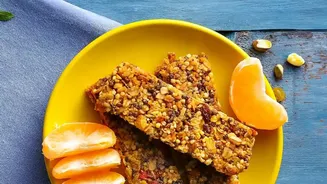
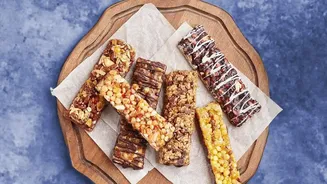
As lifestyles become more sedentary and workdays more demanding, the need for convenient, on-the-go nutrition has skyrocketed. Traditional snacks, often high in carbohydrates and fats, don't always meet the needs of a time-poor urban professional seeking a quick energy boost without the subsequent crash. Protein snacks perfectly fill this gap. They offer high satiety, meaning they keep you feeling full for longer, making them an ideal choice for a mid-day slump or a quick bite between meetings. Brands have been quick to notice this, launching products like protein bars, ready-to-drink shakes, and even protein-rich versions of traditional namkeens, designed for busy consumers who refuse to compromise on nutrition.
From Niche to Mainstream Market
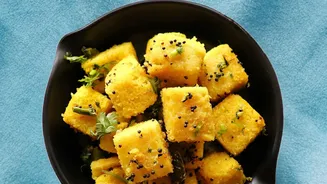
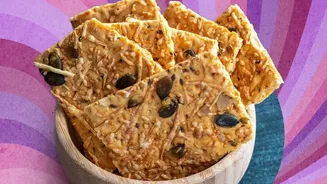
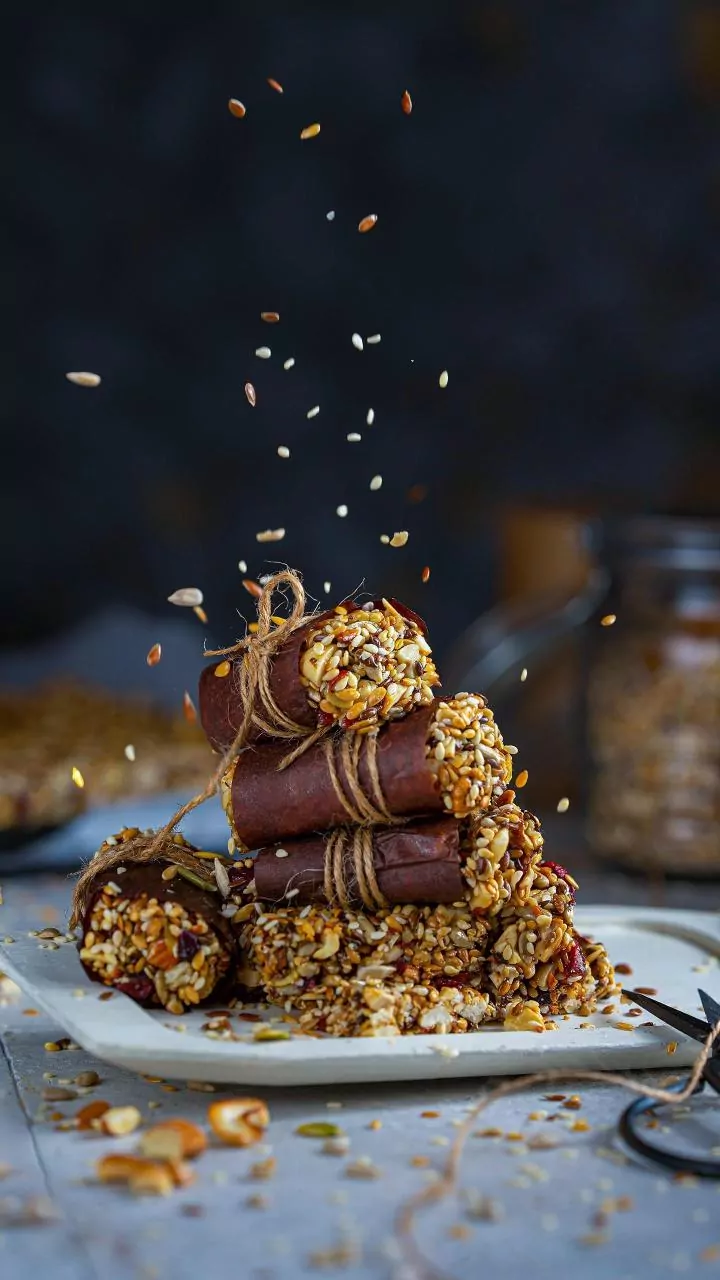
This consumer shift has fueled a multi-billion dollar industry. India’s protein-based product market is projected to grow significantly, with some estimates suggesting a compound annual growth rate (CAGR) of over 14%. To capture this expanding market, brands are innovating rapidly. They are moving beyond bland, functional products to create snacks that cater specifically to the Indian palate, incorporating familiar flavours and ingredients. We're now seeing everything from multigrain protein chips and baked bhujia to high-protein versions of makhana and roasted chana. Startups and established food giants alike are entering the space, making these products more accessible and affordable than ever before, moving them out of speciality stores and onto the shelves of local retailers and major supermarkets.
Busting the Protein Deficiency Myth
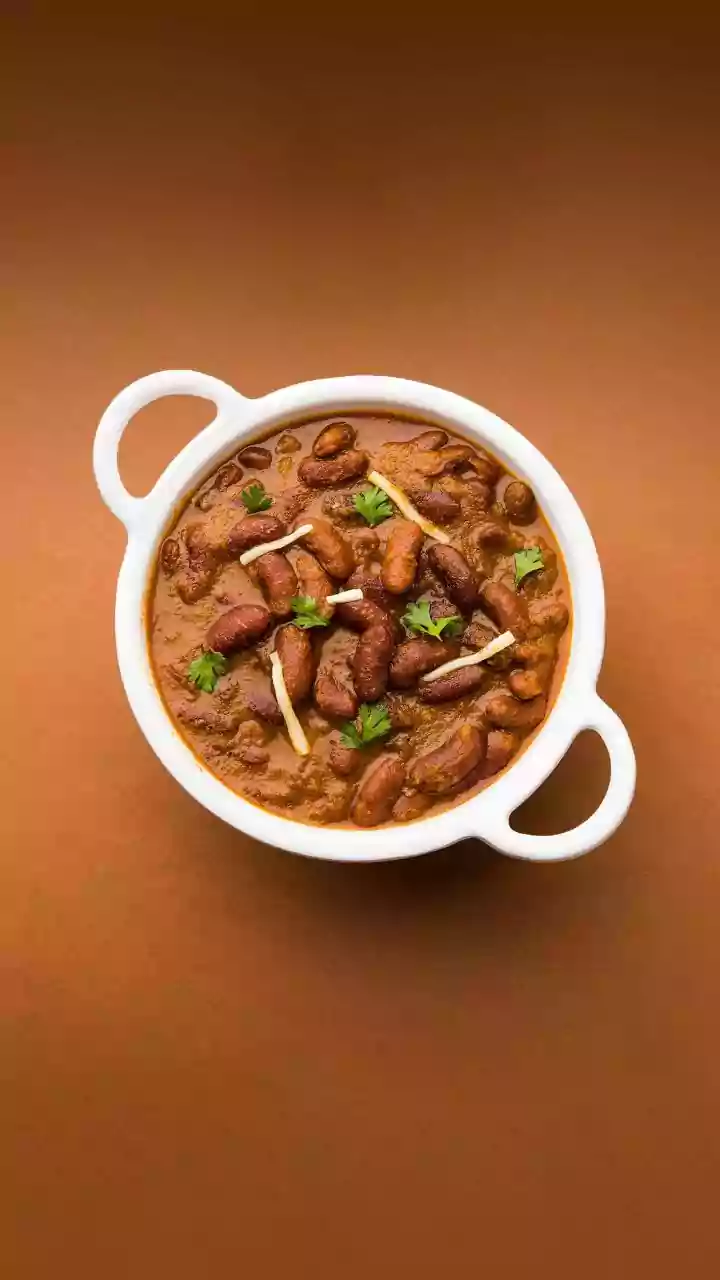
Underlying this trend is a growing awareness of India's significant protein deficiency, with some studies suggesting that over 70% of the population consumes inadequate amounts of this crucial nutrient. This nutritional gap, often pronounced in vegetarian diets, has created a clear need that the market is now addressing. By fortifying everyday foods and creating appealing snacks, companies are making it easier for people to increase their daily protein intake without drastic dietary changes. The narrative is no longer just about avoiding unhealthy options; it's about actively choosing smarter, more functional foods. This is transforming protein from a 'supplement' into a core component of a balanced, modern Indian diet.