



The Original Roads of Greece
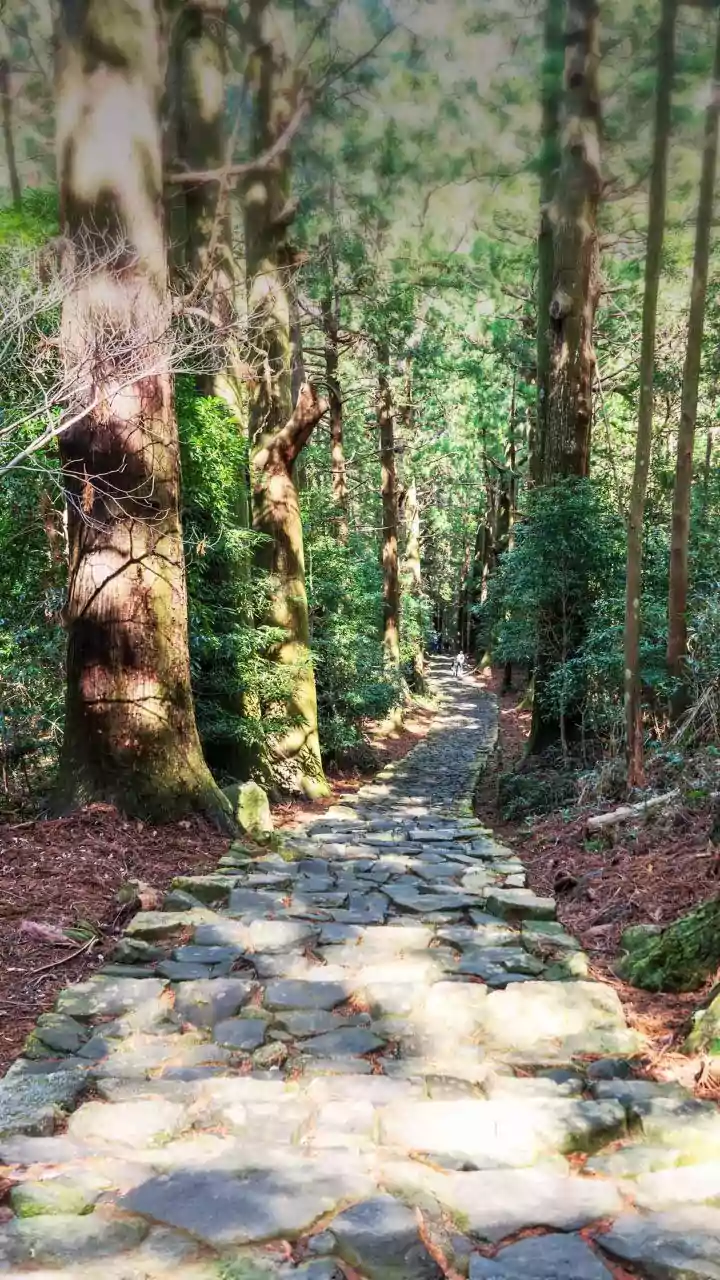
Long before modern highways, a network of stone-paved paths known as 'kalderimia' connected Greece. These weren't grand royal roads built to impress, but functional routes essential for daily life. Typically about two meters wide—enough for two laden
mules to pass—they linked villages to fields, towns to ports, and remote chapels to the faithful. For centuries, and in some rural areas until the 1960s and 70s, these paths were the arteries of commerce, culture, and community. Many of these routes are far older than their Turkish name suggests, often following the lines of even more ancient Roman or Venetian roads. Today, these restored kalderimia form the backbone of some of Europe's most rewarding hiking experiences, allowing walkers to literally follow in the footsteps of history.
Arcadia: A Walk Through Myth
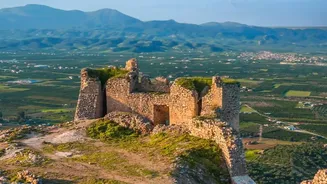
The Peloponnese peninsula is a heartland of ancient Greek lore, and its Arcadia region is a hiker’s paradise. This is the mythical home of Pan, the god of the wild. The premier route here is the Menalon Trail, a 75-kilometre trek that was the first in Greece to be certified by the European Ramblers' Association. The trail connects a series of historic mountain villages like Stemnitsa and Dimitsana, following old mule paths that have been used for generations. Hikers traverse the dramatic Lousios Gorge, passing monasteries built directly into cliff faces, such as the 10th-century Old Philosophou Monastery and the 16th-century Prodromos Monastery. These paths were not just for travel; they were lifelines, connecting communities and even serving as strategic sites during the Greek Revolution.
Island Hopping on Foot
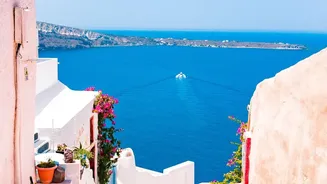
The Greek islands offer a different but equally historic hiking experience. Many islands feature extensive networks of these ancient stone paths, maintained for centuries by shepherds and villagers. On islands like Sifnos, Naxos, and Andros in the Cyclades, waymarked trails now follow these old routes, leading walkers through whitewashed villages, past Venetian towers, and down to secluded coves. The hike from Fira to Oia on Santorini, while popular, follows a path along the caldera edge that has been used for centuries. On Crete, the largest Greek island, ancient paths are everywhere, from the famous Samaria Gorge to sections of the E4 European long-distance path, which reveals old settlements and monasteries. These island trails offer a unique blend of stunning sea views and cultural immersion.
The Sacred Ways
Some of Greece's most significant ancient paths were spiritual journeys in themselves. The Sacred Way to Delphi, for instance, was the route pilgrims walked to consult the famous oracle. While much of the original path is gone, a section of the E4 trail follows the ancient footpath that pilgrims from the north would have used, offering a chance to approach the sanctuary as they once did. Similarly, paths led athletes and spectators from across the Greek world to the sanctuary of Olympia for the ancient games. Walking these routes today, even in fragmented parts, helps connect you to the ritual and reverence that was built into the very landscape of ancient Greece.
Planning Your Historic Hike
Walking these ancient trails requires some preparation. The best seasons are typically spring (April-June) and autumn (September-October), when the weather is pleasant and the landscape is at its most beautiful. While many popular trails like the Menalon Trail are well-marked, others can be overgrown or poorly signposted, making a good map or GPS app essential. The terrain can be rugged, with steep ascents and descents on cobbled stones, so sturdy hiking shoes are a must. Many local volunteer groups, like the Friends of the Kalderimi in South Pelion, work to maintain and clear these paths for walkers. Whether you choose a famous route or a lesser-known local path, the experience is about more than just a walk; it's a journey through a living museum.