


The Magic of Hot Air
Unlike deep-frying, which involves completely submerging food in hot oil, an air fryer works more like a supercharged convection oven. It uses a heating element and a powerful fan to circulate extremely hot air at high speed. This rapid air circulation
mimics the effect of deep frying, creating a crispy, golden-brown exterior while cooking the inside. The process relies on the hot air to transfer heat, not a vat of oil, which is the key to its health benefits. A tiny amount of oil—often just a light spray or a single tablespoon—is all that's needed to facilitate browning and crisping.
Decoding the '80 Percent Less Oil' Claim
You often see claims that air fryers use 70, 80, or even 90 percent less oil. This figure comes from the dramatic difference between the amount of oil used in deep-frying versus air-frying. A deep fryer can require litres of oil, which food inevitably absorbs. An air fryer, by contrast, might only need a teaspoon. Studies have shown that this method can reduce calorie intake by 70–80% compared to traditional frying because of this massive reduction in oil absorption. While the exact percentage varies by food, the core takeaway is the same: you are using dramatically less oil for a similarly crispy result.
Which Indian Snacks Air-Fry Best?
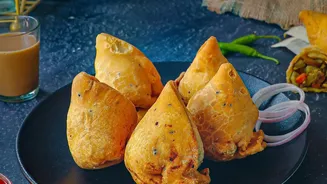
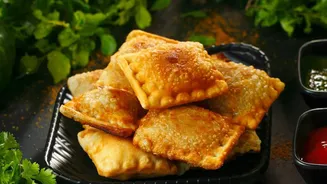
The air fryer is exceptionally well-suited for many Indian street food classics. Items that are already shaped or have some structure tend to work perfectly. This includes frozen or homemade samosas, which turn out flaky and golden without the mess of a kadhai. Other excellent candidates include aloo tikkis, hara bhara kababs, and various cutlets. Even snacks like moong dal kachoris, paneer tikka, and pre-formed vadas can be made successfully. Wet-batter snacks like traditional onion pakoras can be trickier, but many recipes adapt them by making the batter thicker or using pre-formed shapes to prevent dripping.
Tips for Perfect, Crispy Results
To achieve that coveted street-style crunch, a few simple rules apply. First, preheat your air fryer for a few minutes before you start cooking; this helps the food begin to crisp immediately. Second, don’t overcrowd the basket. Food needs to be in a single layer to allow the hot air to circulate freely and cook everything evenly. Overcrowding traps steam and makes snacks soggy instead of crispy. For items like samosas or tikkis, a light brush or spray of oil helps achieve a beautiful golden-brown finish. Finally, remember to shake the basket or turn the snacks over halfway through the cooking time to ensure all sides get that perfect crunch.
Beyond Less Guilt: Other Benefits
The health aspect is a major draw, but the convenience of air frying is a close second. There's no large pot of oil to heat up, monitor, and later dispose of. This means significantly less mess and fewer lingering cooking smells in your kitchen. Cleanup is often as simple as washing the non-stick basket. Furthermore, air fryers typically cook faster than conventional ovens, making them perfect for whipping up a quick snack when a craving strikes. From frozen pakoras to fresh paneer tikka, you can have a hot, crispy treat ready in minutes.