






The Heart of the Matter: Olive Ridley Turtles
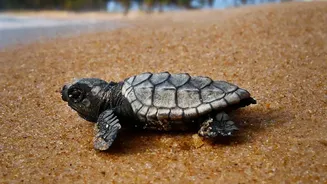
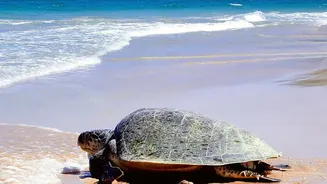
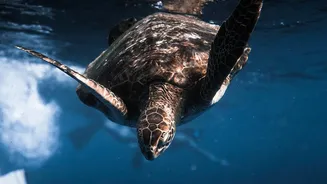
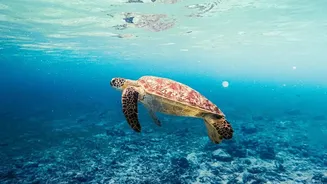
At the center of this proposal are Olive Ridley sea turtles, the most common sea turtle found in the world's oceans, yet classified as a 'Vulnerable' species. Goa's sandy shores, particularly at beaches like Morjim, Agonda, and Galgibag, serve as crucial
nesting grounds. Every year, typically between November and March, female turtles return to these beaches at night to lay their eggs. This ancient nesting ritual is vital for their survival, but it is increasingly threatened by human activity along the coast.
Why Darkness on the Beach Is Essential
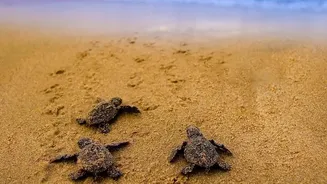
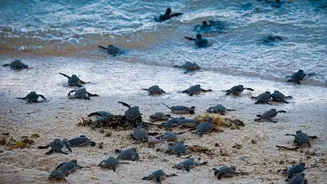
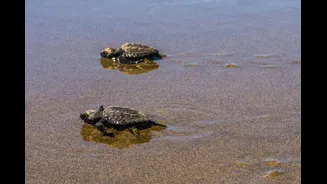
The single biggest threat during nesting season is artificial light. When hatchlings emerge from their nests after about two months, their instinct is to crawl towards the brightest horizon, which for millennia has been the moon and stars reflecting off the sea. However, bright lights from beach shacks, resorts, and streetlights disorient them. Instead of heading to the safety of the water, they crawl inland, where they often die from dehydration, exhaustion, or predation. Artificial lights can also deter female turtles from coming ashore to nest in the first place, forcing them to abandon their nesting attempts.
What Exactly Is Being Proposed?
In response to a decline in nesting numbers, Goa's Forest Department has proposed formally designating 24 beaches across the state as official turtle nesting sites under the Coastal Regulation Zone (CRZ) Notification, 2019. The list includes 10 beaches in North Goa and 14 in the South, covering not only known nesting sites but also popular tourist hubs like Baga, Calangute, and Candolim. This designation would pave the way for stricter, legally enforceable controls on activities that interfere with nesting. The most significant of these would be regulations on nighttime lighting, but could also extend to the operation of beach shacks, the movement of vehicles, and late-night events during the sensitive nesting season.
The View from the Coast: Conservation vs. Livelihood
The proposal has sparked concern among local business owners who depend on beach tourism. The Shack Owners Welfare Society has expressed fears that broad restrictions across so many beaches could cripple the entire tourism industry and the thousands of livelihoods that depend on it. Stakeholders are not against protecting turtles, but they are asking for clarity on exactly what the new rules would entail and argue for a balance that allows conservation and tourism to coexist. They point out that many businesses already follow some guidelines, such as removing sunbeds after sunset on designated beaches like Morjim and Mandrem. The core demand from the tourism sector is for a clear, practical plan that protects turtles without shutting down the local economy.
The Path Forward
The Forest Department's proposal has been sent to the Department of Environment and Climate Change for consideration. For the rules to be enacted, they must be formally incorporated into Goa's Coastal Zone Management Plan. This process will likely involve further consultations and the development of a detailed management plan for these ecologically sensitive areas. The debate highlights a central challenge for modern Goa: how to preserve the very natural beauty that draws millions to its shores. The outcome of this proposal will be a critical test of the state's ability to create a truly sustainable model for tourism, where both the vibrant coastal economy and its most vulnerable wildlife can thrive for years to come.