




The End of an Era
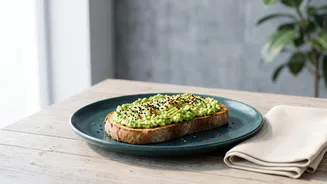
For years, aspirational dining in urban India meant looking outward. Italian, Pan-Asian, and American comfort foods dominated upscale and casual menus alike. Pasta, pizza, and burgers were the markers of a modern palate, a culinary reflection of a globalising
India. While these cuisines remain popular, their unchallenged dominance is waning. The novelty has worn off, giving way to a new kind of curiosity—one that looks inward. A growing number of young, urban diners are now seeking experiences that feel both new and deeply familiar, driving a shift away from generic international options towards something more rooted in India's own diverse culinary landscape.
Meet the New Indian Diner
So, who is driving this change? It’s India’s Gen Z and millennial population. Globally connected through social media and well-travelled, their palates are adventurous. Yet, this exposure hasn't led to an abandonment of local tastes. Instead, it has fostered a dual appetite: one for global trends and another for authenticity. This generation is health-conscious, interested in sustainability, and proud of their heritage. They want to know the story behind their food, from the farm to the fork. This desire for transparency and connection is pushing chefs and restaurateurs to rethink their entire approach, moving beyond just taste to create a dining experience that feels genuine and meaningful.
A Return to the Roots
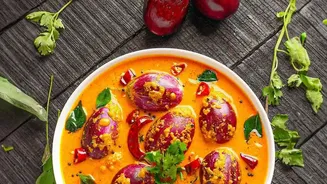
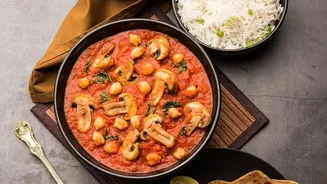
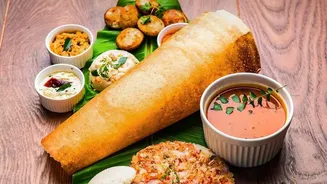
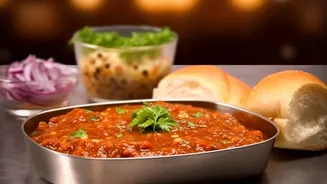
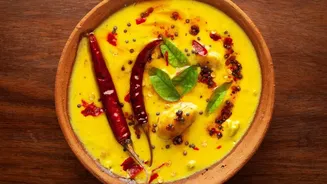
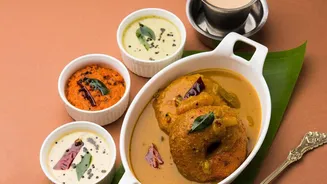
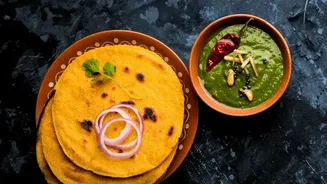
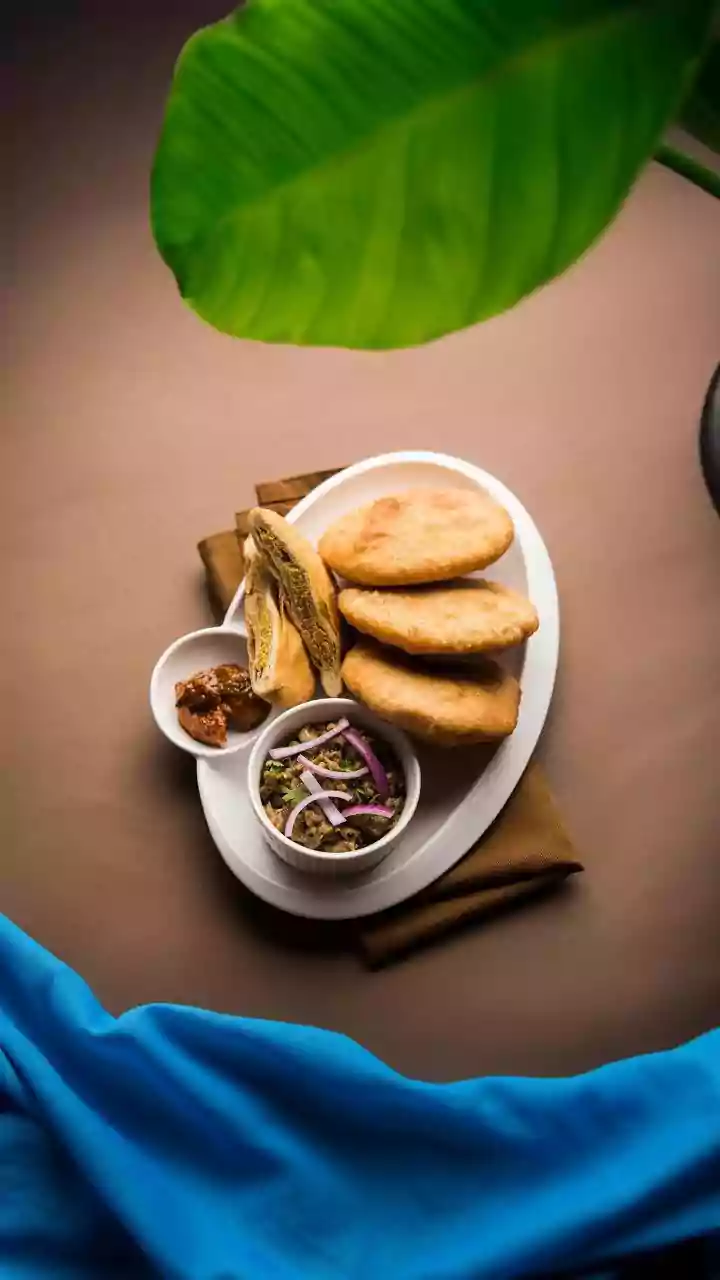
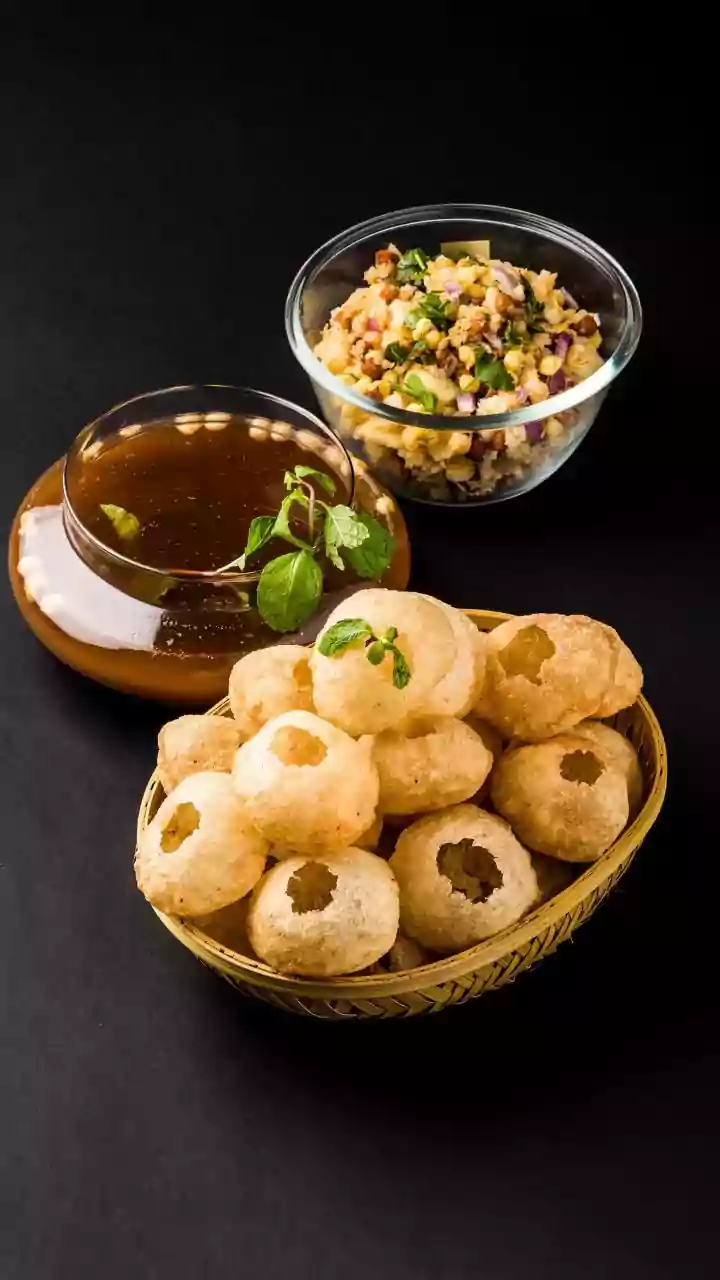
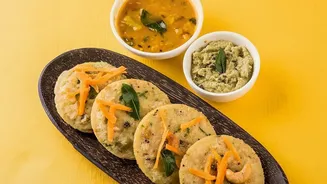
This shift is most visible in the ingredients themselves. Chefs are championing hyperlocal produce, reviving forgotten grains like millets, and spotlighting ingredients unique to specific regions. Menus now proudly feature dishes from a single state or even a specific community, moving beyond the broad strokes of 'North Indian' or 'South Indian' food. Think fiery Goan vindaloo, delicate fish curries from Kerala, or dishes from the North East featuring smoked meats and bamboo shoots. These are not watered-down versions for a generic audience; they are complex, authentic, and unapologetically regional, celebrating the immense diversity of India's food traditions.
Chefs as Culinary Storytellers
At the forefront of this movement is a new generation of Indian chefs who see themselves as custodians and innovators of regional cuisine. At restaurants like Masque in Mumbai or Naar in Himachal Pradesh, chefs are using modern techniques to present indigenous ingredients in new and exciting ways, like a masala papad made from nixtamalized corn or dishes cooked entirely over wood fire reflecting Himalayan seasons. They are digging into the culinary traditions of specific communities, like the Warli tribe in Maharashtra or reviving forgotten recipes from across the southern states. This isn't about fusion in the old sense of simply combining disparate elements; it’s a thoughtful reinterpretation that respects the ingredient's origin while pushing culinary boundaries.
More Than Just a Food Trend
This growing preference for local tastes is more than just a fleeting trend; it’s a cultural statement. It reflects a newfound confidence in India’s own gastronomic heritage. For young diners, choosing a dish made with a local grain over imported quinoa is a small act of celebrating identity. It aligns with a broader interest in wellness, as traditional Indian diets are often inherently healthy and plant-forward. Furthermore, focusing on local sourcing supports regional economies and promotes sustainability, values that resonate deeply with this generation. The plate has become a canvas for expressing a modern Indian identity that is both globally aware and proud of its local roots.