






More Than Just Rain
The annual monsoon is not a monolith. The torrential downpours that cause urban waterlogging in Mumbai are vastly different from the relentless rains that trigger landslides in the Western Ghats or the flash floods that wash away tracks in Assam. Yet,
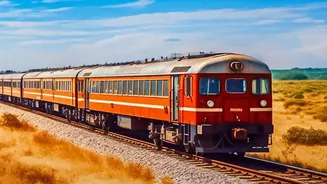
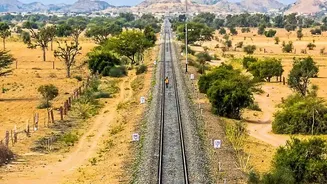
Indian Railways has historically relied on a generalized monsoon preparedness plan. This typically includes increased track patrolling, placing restrictions on train speeds, cleaning drains, and positioning emergency materials at key locations. While these steps are essential, they represent a baseline, not a comprehensive strategy. The core of the problem lies in treating a geographically diverse, 68,000-kilometre network with a uniform set of rules, when the risks are anything but uniform.
The Landslide-Prone Corridors
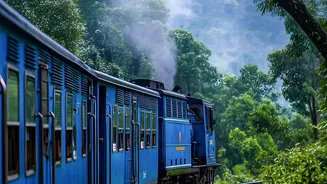
Consider the Konkan Railway, an engineering marvel that cuts through the treacherous terrain of the Western Ghats. This route is highly susceptible to landslides and boulder falls. Recognizing this, Konkan Railway has implemented route-specific measures like geo-safety works, rock bolting, protective netting, and flattening slopes. Their success, with no major disruptions from boulder falls in over a decade, serves as a powerful case study. Similar challenges exist in the Northeast, where floods and landslides frequently disrupt connectivity for states like Assam, Tripura, and Mizoram. The Lumding–Badarpur hill section is a prime example of a vulnerable link where services are regularly affected. For these zones, standard patrolling is not enough. A more robust approach involving geological surveys, slope stability analysis, and advanced early warning systems is critical.
The Challenge of Waterlogging
In stark contrast, the problem in major urban centres and the flat Gangetic plains is primarily waterlogging. In cities like Mumbai, tracks are frequently submerged, bringing the suburban rail system—the city's lifeline—to a standstill. Central and Western Railways often report delays and cancellations due to water over the tracks. Similar issues plague the Koraput-Rayagada line in Odisha, where runoff from surrounding hills inundates the tracks. The solution here is not rockfall netting but civil engineering. Measures like raising track levels, improving drainage capacity in and around railway lines, and augmenting culverts are necessary. While Railways has initiated some of these works, they need to be intensified and customized based on a granular analysis of historical flooding patterns at a divisional level.
A Smarter, Tech-Driven Approach
A modern railway network requires a modern safety philosophy. Relying solely on manual patrols and decades-old protocols is a reactive stance. Indian Railways must pivot to a proactive, technology-driven model. This means integrating real-time weather data from the IMD with on-ground sensors that monitor soil moisture, slope stability, and water levels. Drones can be used for rapid surveillance of inaccessible, high-risk areas after heavy rainfall. Some zones have begun strengthening their geo-safety systems and using advanced monitoring, but this needs to become a pan-India standard, with technology tailored to the specific risks of each route. For example, pressure sensors and electrical switches could be installed in landslide-prone areas to provide automated alerts to approaching trains, a concept that has been proposed for its cost-effectiveness and reliability.