





Chaos on the Tarmac
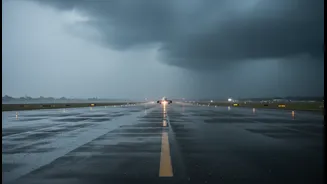
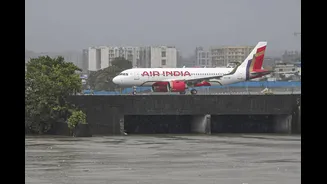
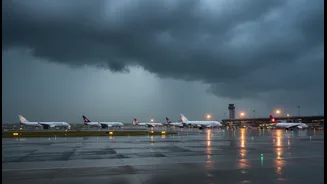
The first week of July has been a turbulent one for Mumbai's Chhatrapati Shivaji Maharaj International Airport (CSMIA). Relentless heavy rainfall has led to widespread travel chaos. On July 6th alone, the airport saw 17 flight cancellations and a staggering
217 delays by mid-day as airlines struggled with the weather. The previous day, operations were suspended entirely for an hour due to strong winds up to 42 knots and poor visibility, causing 13 flights to be diverted and four cancellations. This pattern of disruption has become a daily reality, with airlines like IndiGo and Akasa Air issuing repeated advisories for passengers to check their flight status before leaving for the airport.
Why Rain Grounds Flights
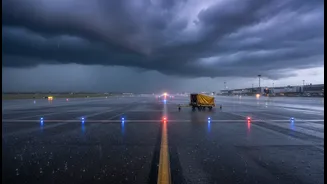
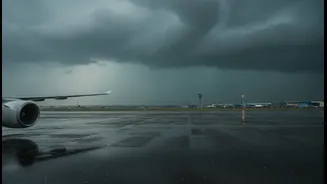
It’s more than just a little rain. The impact of the monsoon on airport operations is a complex safety issue. Heavy downpours drastically reduce visibility for pilots during takeoff and landing. Strong, gusty crosswinds, common during these storms, can make manoeuvring a large aircraft dangerous. Furthermore, waterlogging on runways can affect braking efficiency and poses a risk of hydroplaning. When these factors combine, as they frequently have in Mumbai recently, air traffic controllers and airport authorities must prioritise safety by delaying, diverting, or even suspending flights until conditions improve. Even when the airport is operational, the journey to get there can be a challenge, with waterlogged roads and traffic jams slowing commutes significantly.
Your Monsoon Travel Toolkit
Being prepared is the key to navigating monsoon travel in Mumbai. Before you even think about booking a cab, make checking the weather and your flight status a mandatory first step. The India Meteorological Department (IMD) has been issuing regular alerts, including 'Orange' and 'Red' warnings for the city, which indicate the potential for heavy to extremely heavy rainfall. These alerts are a strong signal that travel disruptions are likely. Many airlines now send proactive SMS and email updates if your flight is affected, but it's wise to double-check yourself. Use the airline's official app or website for the most accurate, real-time information on your specific flight.
Essential Apps and Websites
Several digital tools can provide a crucial advantage. For overall weather, the IMD's official 'Mausam' app provides forecasts and warnings directly from the source. Apps like 'Windy' offer detailed visualisations, including doppler radar, that show rain moving in. For Mumbai-specific information, the 'Mumbai Weather Live' app, developed by IITM, consolidates data from the IMD, BMC, and railways. When it comes to your flight, third-party trackers like Flightradar24 can give a broad overview of airport operations, but for your specific booking, stick to your airline's app or the official CSMIA website, which has live arrival and departure boards. The Adani OneApp is another tool promoted for tracking flights at the airport.
Don't Forget the Journey To The Airport
Even if your flight is on time, getting to the airport can be an ordeal. The same rains affecting the airport are also causing waterlogging on major roads like the Western Express Highway and disrupting local train services. This can add hours to your travel time. Apps like 'm-Indicator' are invaluable for real-time updates on local train and BEST bus services. The BMC's 'Disaster Management' app can provide information on traffic diversions and flooded areas. Airlines specifically advise passengers to allow significant extra time for their commute to the airport during heavy rain. Checking a live traffic map before you leave is essential to avoid getting stuck on a waterlogged road.