



Assess Your Kitchen's Reality
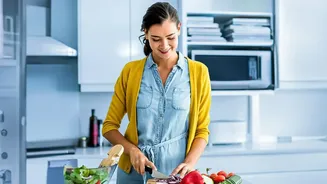
Before you even think about what to cook, take a brutally honest look at your kitchen. How much counter space do you actually have for chopping and assembly? How big is your oven, and how many burners are on your stove? Limited space dictates your culinary
strategy. A plan that requires multiple appliances, large cutting boards, and numerous mixing bowls will quickly overwhelm a small workspace. The first step in successful hosting is to plan meals that fit within the physical space and tools you genuinely have. This isn't about limiting your ambition; it's about setting yourself up for success. You can't change your kitchen's square footage minutes before guests arrive, but you can choose a menu that respects it.
Master the One-Oven Rule
The single oven is the biggest bottleneck in most home kitchens. If your menu features three different dishes that all need to be baked or roasted at different temperatures, you’ve created an impossible puzzle. Instead, design your menu around one star oven-based dish. This could be a slow-roasted protein, a lasagna, or a sheet pan meal that cooks everything together. The rest of your menu should rely on other equipment. Think about a stovetop soup, a vibrant salad served at room temperature, or appetizers that require no cooking at all. By diversifying your cooking methods, you free up your most valuable and limited resource.
Embrace Make-Ahead Magic
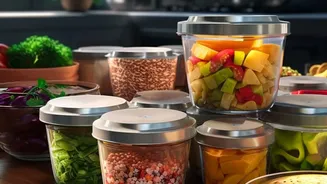
Your future self will thank you for every task you complete before the day of the party. The key to a low-stress event is to do as much as possible in advance. A small kitchen simply doesn’t have the space to do all the prep and cooking at once. Look for recipes that can be partially or fully prepared ahead of time. Stews and braises often taste better the next day. Desserts like cheesecakes or mousses need to be chilled. Vegetables can be chopped, and dressings can be mixed a day or two before. Even marinating proteins ahead of time saves a crucial step when you’re busy. This frees up not just your time but also your limited counter space on party day.
Prioritize Room-Temperature Heroes
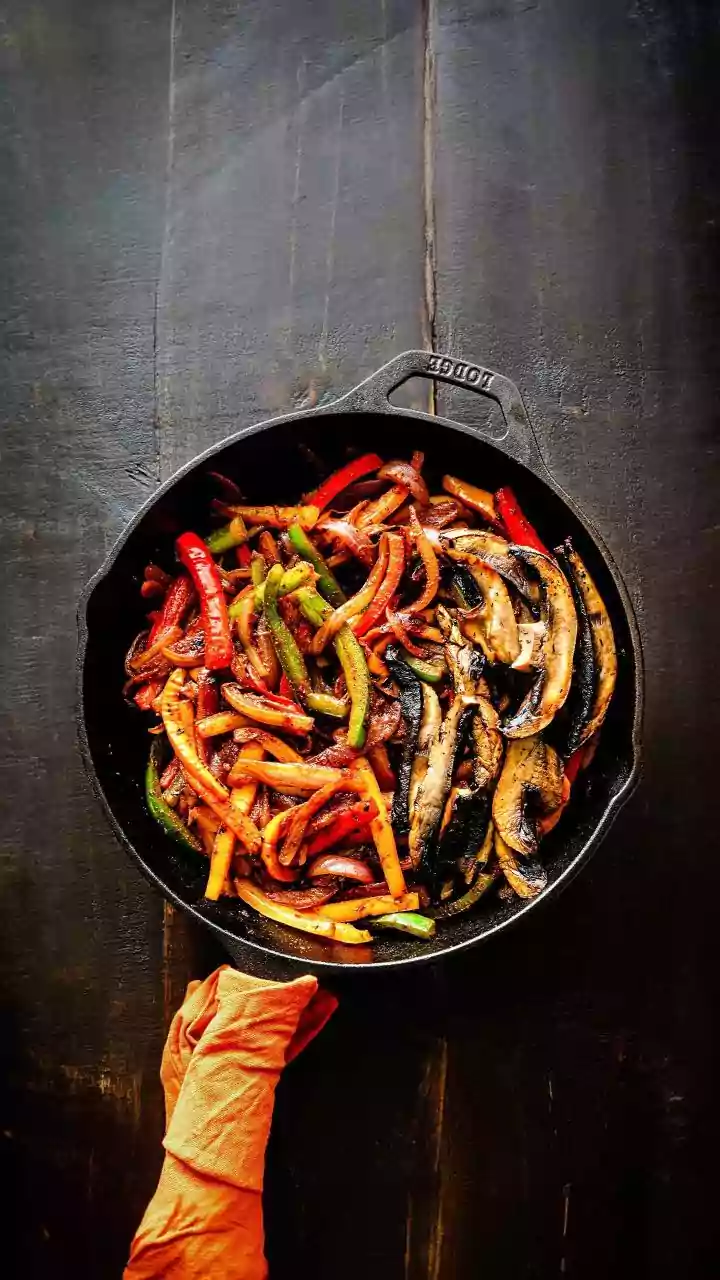
Not every dish needs to be served piping hot. In fact, a menu with varied temperatures is often more interesting and far less stressful for the cook. Room-temperature dishes are a host’s best friend. Think of composed salads, marinated vegetable platters, charcuterie boards, or fresh bruschetta. These items can be fully prepped and arranged before guests walk in the door, requiring zero last-minute attention. They reduce the frantic dance around the stove and oven, allowing you to actually greet your guests without a sheen of sweat. A great composed salad or a beautiful platter of grilled vegetables that have come to room temperature can be just as impressive as a complicated hot side.
Clean as You Go
This might be the single most important habit for any cook, but it becomes non-negotiable in a small kitchen. Clutter builds up fast when space is at a premium. Wash tools and bowls as soon as you are finished with them to eliminate counter clutter; you will likely need to reuse them anyway. A simple but effective trick is to keep a large bowl on your counter designated for trash and compost scraps. This saves countless trips to the bin and keeps your limited prep area clear. Walking into a relatively tidy kitchen to plate the main course feels like a victory. Walking into a disaster zone is a recipe for panic.