







Why Local is the New Superfood
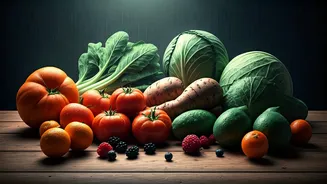
The emphasis on local ingredients is more than just a trend; it's a practical health strategy for the monsoon. Local produce is fresher, which means it retains more nutrients like vitamins and antioxidants compared to food that travels long distances.
[25, 26, 27] Fresher food has a shorter farm-to-fork time, reducing the risk of spoilage and contamination, which is higher during the humid rainy season. [24, 27] Foods grown in your region are also what your body is naturally adapted to digest. [29] This hyper-local approach ensures you get maximum nutritional benefits while minimising exposure to pathogens common in this season. [21, 23]
Embrace Gourds and Seasonal Vegetables
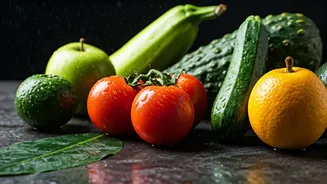
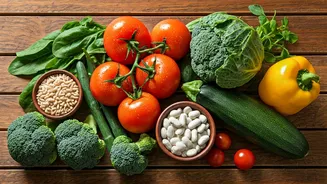
During the monsoon, our digestive system tends to be sluggish. [5, 8] Nutritionists and Ayurvedic experts advise eating light, easily digestible foods. [3, 14] This is where seasonal gourds like bottle gourd (lauki), ridge gourd (tori), and pumpkin come in. [7, 22] These vegetables are high in fibre, have a high water content, and are gentle on the stomach. It’s also wise to include bitter vegetables like bitter gourd (karela) and herbs like neem and fenugreek, which are known to have immunity-boosting properties that help keep infections at bay. [3, 24]
Spice Up Your Immunity
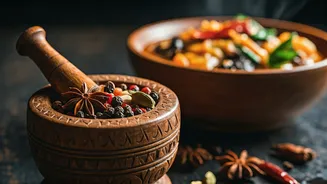
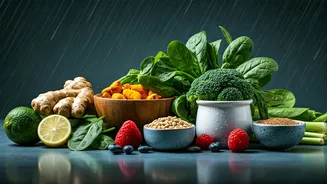
Indian spices are powerhouses of medicinal properties, making them essential for a monsoon diet. Ginger, turmeric, garlic, and black pepper are particularly beneficial. [19] Ginger is excellent for digestion and relieving cold and cough symptoms. [4, 5] Turmeric contains curcumin, a compound celebrated for its potent anti-inflammatory and immunity-boosting effects. [4, 6] Garlic is a natural antibiotic, and black pepper helps the body better absorb nutrients, like the curcumin in turmeric. [6, 17] Incorporating these spices into warm soups, dals, and teas is a comforting and effective way to stay healthy. [2, 11]
The Power of Probiotics for Gut Health
A healthy gut is the foundation of a strong immune system, a fact that becomes critical during the monsoon when gastrointestinal infections are common. [11] Probiotic-rich foods like fresh curd (dahi) and buttermilk (chaas) help maintain a healthy balance of gut bacteria. [2, 21] These foods aid digestion and improve your ability to absorb nutrients and resist infections. [11, 19] Opting for freshly prepared curd over milk is often recommended, as milk can sometimes be heavy to digest during this season. [7, 15]
Choose Seasonal Fruits Wisely
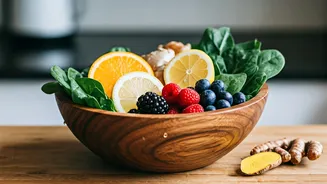
While fruits are essential, the choice of fruit matters during the rains. It's best to favour seasonal options like jamun, pomegranate, plums, peaches, cherries, and pears. [15, 24] These fruits are packed with vitamins, especially Vitamin C, and antioxidants that help strengthen the immune system. [11, 20] Experts often advise limiting water-heavy fruits like watermelon, as they can cause water retention. [15] It's also crucial to wash all fruits thoroughly with clean water before consumption to remove any dirt or microbes. [7, 15]
Warm Soups and Herbal Teas
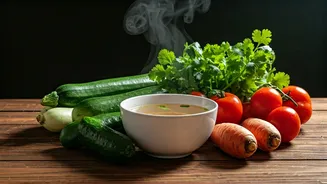
There's a reason we crave warm, comforting foods when it rains. Warm liquids like soups, broths, and herbal teas are highly recommended. [11, 16] They keep you hydrated, provide essential nutrients, and are easy on the digestive system. [2] A simple vegetable soup can be a light yet nourishing meal. [5] Herbal teas made with ingredients like ginger, tulsi (holy basil), and lemongrass not only provide warmth but also offer antiviral and anti-inflammatory benefits, helping to soothe sore throats and ward off colds. [2, 19]