





The Underrated Power of a Post-Meal Walk
The health benefits of walking are well-established, but the timing can be just as important as the activity itself. Research has consistently shown that taking a walk after a meal can have a significant impact on blood sugar levels. When you eat, your
body converts carbohydrates into glucose, which enters your bloodstream, causing your blood sugar to rise. Physical activity prompts your muscles to absorb this glucose for energy. This process increases your body's sensitivity to insulin, the hormone responsible for moving glucose out of the blood. Studies indicate that even a short walk of five to fifteen minutes, taken within 60 to 90 minutes after eating, can noticeably lessen blood sugar spikes. This simple habit helps keep glucose levels more stable, which is crucial for long-term metabolic health and can reduce the risk of developing conditions like Type 2 diabetes.
Your New Toolkit: Trackers and Monitors
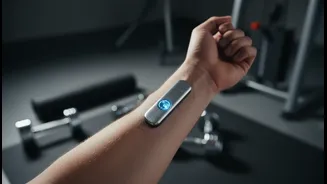
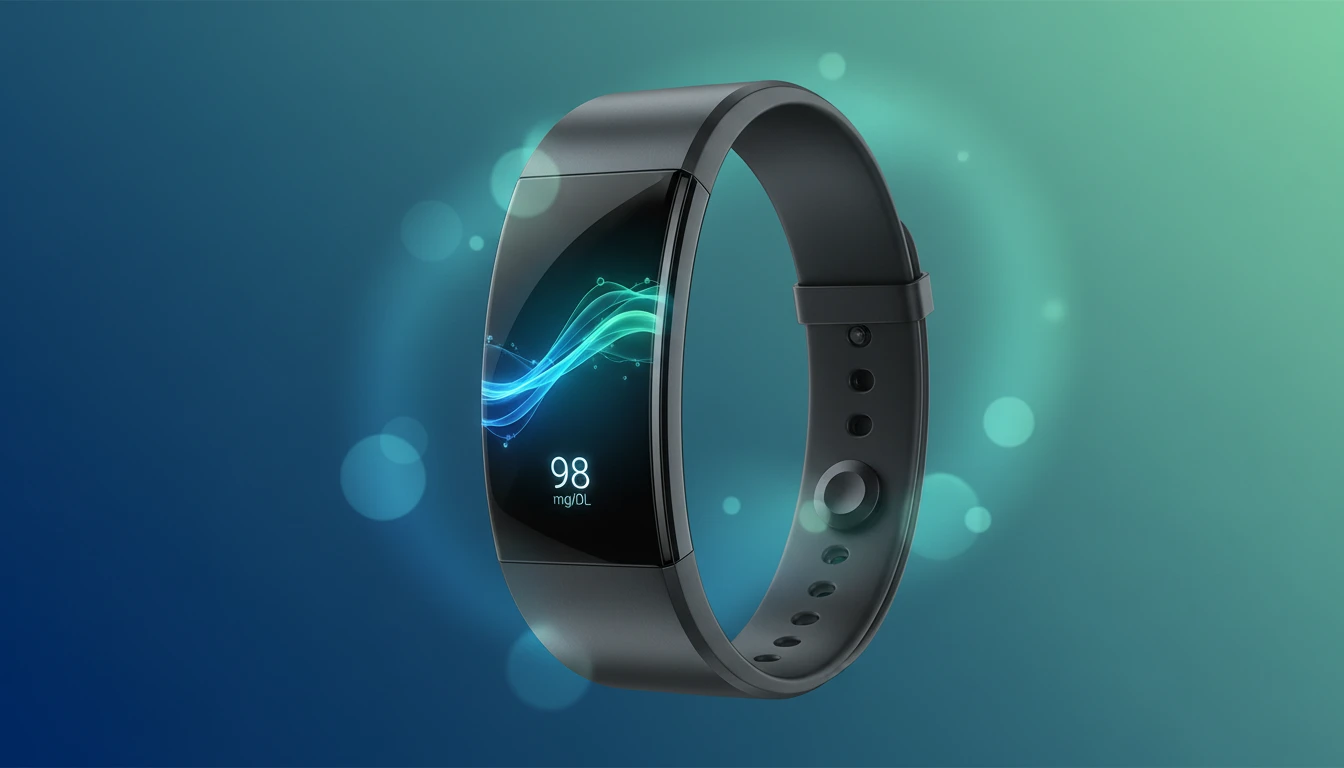
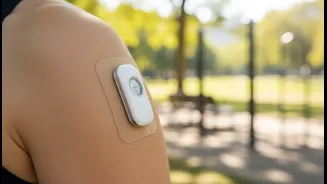
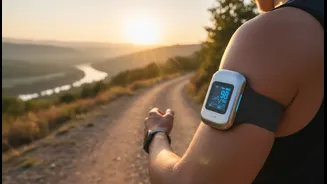
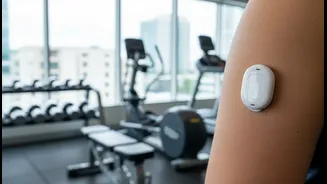
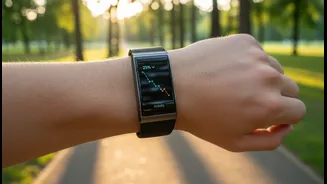
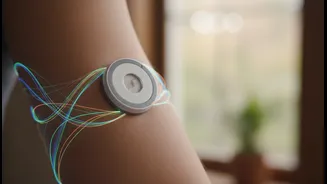
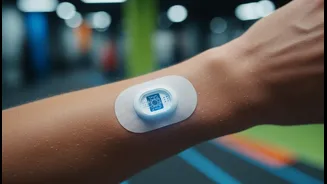
This is where modern technology steps in to elevate that simple walk. The transformation relies on two key pieces of wearable tech working in tandem: a standard fitness tracker and a continuous glucose monitor (CGM). Fitness trackers, like smartwatches from brands such as Apple, Garmin, or Fitbit, are excellent for monitoring activity metrics like step count, heart rate, and calories burned. Continuous glucose monitors, which use a tiny sensor to measure glucose in the fluid just under your skin, provide a constant stream of blood sugar data to a connected smartphone or watch. Originally developed for individuals with diabetes, CGMs are increasingly available over-the-counter and are being adopted by health-conscious people to gain deeper insights into their metabolic responses to food, stress, and exercise.
The Bio-Feedback Revolution
The magic happens when you combine the action of walking with the real-time data from a CGM. Instead of just walking for a set amount of time and hoping for the best, you can now see the direct impact of your movement on your body's biology. As you walk, you can glance at your watch and see your glucose numbers begin to trend downward. This immediate feedback is incredibly motivating. It gamifies the experience, turning a routine activity into an engaging and targeted session where you are actively managing a key health metric. This isn't just passive tracking; it’s an active bio-feedback loop where you see a cause-and-effect relationship in real time, empowering you to take control.
Personalizing Your Pace and Path
This data-driven approach allows for an unprecedented level of personalization. Everyone's body responds differently to various foods and exercises. By using a CGM, you can learn exactly how a specific meal affects your blood sugar. Then, you can use a post-meal walk to actively manage that spike. You might discover that a brisk 15-minute walk is enough to stabilize your glucose after a light lunch, while a heavier dinner might require a slower, 30-minute stroll. The combination of a fitness tracker and a CGM allows you to experiment and find what works for your unique metabolism. This transforms your walk from a generic recommendation into a highly personalized and effective health intervention.
From Reactive to Proactive Health
Ultimately, integrating these technologies shifts the user from a passive to an active participant in their own health journey. You're no longer just following general advice but are making informed decisions based on your own body's data. This can extend beyond just glucose management. For example, by keeping an eye on your heart rate from your fitness tracker during the walk, you can ensure you’re staying in a moderate-intensity zone for optimal cardiovascular benefits. The insights gained from tracking glucose, activity, and sleep can create a powerful, holistic view of your well-being, fostering a virtuous cycle of positive lifestyle changes.