





The Monsoon's Dual Threat: Rain and Humidity
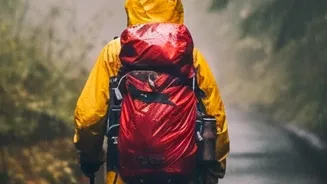
When we think of water damage, we often picture a phone dropped in a puddle. But during the monsoon, the threat is constant and twofold. The first is direct water exposure from sudden, intense showers that can soak through a regular backpack in minutes.
The second, more insidious threat is humidity. During peak monsoon months in India, indoor humidity can surpass 85%, well above the safe operating range for most electronics. This pervasive moisture can condense inside devices, leading to corrosion, short circuits, and gradual failure, even if your gadgets never see a single drop of rain. Protecting your tech isn't just about surviving a downpour; it's about creating a shield against a moisture-saturated environment.
Decoding the Lingo: Waterproof vs. Water-Resistant
These terms are often used interchangeably, but they represent vastly different levels of protection. 'Water-resistant' means a product can resist water penetration to some degree, but not completely. It might handle a light splash or a brief drizzle, but it will eventually fail under sustained exposure. 'Waterproof', on the other hand, means the item is impermeable to water, providing a complete barrier even when submerged. To quantify this, manufacturers use the Ingress Protection (IP) rating. An IP rating has two numbers: the first for dust protection and the second for water protection. For example, a product rated IP67 is dust-tight and can be submerged in up to 1 meter of water. A rating of IP68 means it can handle continuous immersion beyond 1 meter. For monsoon travel, always look for gear that is explicitly 'waterproof' and, for phone cases, has a high IP rating like IP67 or IP68.
The Science of Staying Dry: How It Works
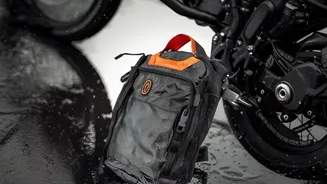
True waterproof gear relies on a combination of materials and construction. The most common materials are heavy-duty, non-porous fabrics like PVC (Polyvinyl Chloride) or TPU (Thermoplastic Polyurethane). These materials form the primary barrier. But a bag is only as strong as its weakest point, which is usually the seams and the opening. To solve this, high-quality waterproof bags use welded or taped seams instead of stitching, which creates tiny holes for water to enter. This process fuses the fabric panels together, creating a continuous, watertight bond. For the opening, the most trusted method is the 'roll-top' closure. This involves rolling the top edge of the bag down several times and securing it with a buckle, creating a tight seal that prevents water from seeping in. Zippers on waterproof bags are also specialized, often using rubberized or toothed designs (like the TIZIP zipper) to form an airtight seal.
Your Monsoon Tech Armoury: Essential Gear to Consider
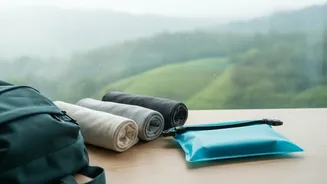
Building a reliable kit doesn't have to be complicated. Start with a few key pieces. A 'dry bag' is a versatile and essential item. These cylindrical bags come in various sizes and are perfect for protecting everything from cameras to clothes inside a larger, non-waterproof backpack. For all-in-one protection, a waterproof backpack made from TPU or PVC with welded seams and a roll-top closure is the gold standard. For your most-used device, a waterproof phone pouch is non-negotiable. Look for one with a high IP rating that allows you to use the touchscreen through the clear material. Finally, consider a waterproof laptop sleeve or case if you're travelling with a computer. These offer an extra layer of defence against both rain and the ever-present humidity.
Smarter Packing for a Safer Trip
Beyond the gear itself, a few simple habits can make a big difference. Always unplug devices during active thunderstorms to protect them from power surges, a common occurrence during the monsoon. Pack a few silica gel packets in your electronics bag; they are excellent at absorbing ambient moisture and can help keep the inside of your bags dry. For critical items, consider double-bagging—placing a sensitive device in a waterproof pouch and then putting that pouch inside a larger dry bag. When you get indoors after being in the rain, wipe down the exterior of your bags and devices with a dry microfibre cloth before opening them to prevent any lingering drops from getting inside. Acting quickly if your device is exposed is key. If a gadget gets wet, turn it off immediately to prevent short-circuiting.