







The Monsoon Digestive Dilemma
As the skies open up, many of us in India find our digestive systems slowing down. The increased humidity and dampness can weaken our 'Agni' or digestive fire, an Ayurvedic concept that refers to our metabolic strength. [6, 17] This leads to common complaints
like bloating, gas, acidity, and constipation. [8, 10] The monsoon is also a time when the risk of water and food contamination rises, making our gut more vulnerable to infections like gastroenteritis and diarrhoea. [15, 18, 22] Cravings for fried and heavy snacks, a classic monsoon indulgence, further burden a system that is already sluggish. [17]
Enter the Humble Plum: A Seasonal Hero
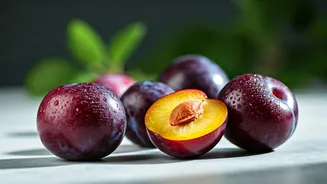
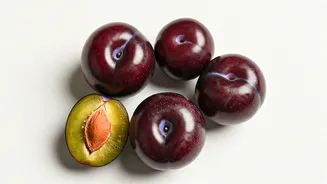
Amidst these seasonal woes, the arrival of plums, or 'Aloo Bukhara', in Indian markets is perfectly timed. This sweet and tart stone fruit is more than just a delicious treat; it's a powerhouse of nutrients that can help counteract many monsoon-related digestive issues. [3] Available in a spectrum of colours from deep purple to vibrant red, plums are low in calories but packed with essential vitamins, minerals, and antioxidants that support overall health. [9]
The Science of Soothing: Fiber and Sorbitol
The primary reason plums are hailed for digestive health lies in their dual-action formula of fiber and sorbitol. Plums are a good source of both soluble and insoluble fiber. [4] Insoluble fiber adds bulk to stool, which helps prevent constipation—a common problem when our metabolism slows down. [11] Soluble fiber, on the other hand, helps regulate cholesterol and blood sugar. [5] But the magic doesn't stop there. Plums contain a natural sugar alcohol called sorbitol, which has a known laxative effect. [3, 20] Sorbitol draws water into the colon, softening stools and making them easier to pass. [3] This combination of fiber and sorbitol makes plums a gentle, natural, and effective remedy for keeping your system regular during the monsoon.
More Than Just Digestion
While fantastic for the gut, the benefits of plums extend much further. They are rich in antioxidants, particularly polyphenols, which help fight inflammation and protect your cells from damage. [2] Plums also provide a good dose of Vitamin C, which is crucial for a strong immune system—something we all need during the infection-prone rainy season. [2] Their potassium content supports heart health by helping to manage blood pressure. [4] Furthermore, despite their sweetness, plums have a low glycemic index, meaning they don't cause sharp spikes in blood sugar, making them a safe and healthy fruit choice for many. [4, 5]
How to Enjoy Plums This Monsoon
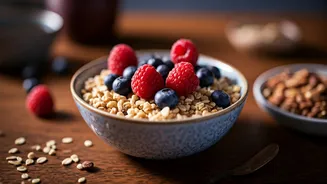
Incorporating plums into your diet is easy and delicious. The simplest way is to eat them fresh, as a snack. Just be sure to wash them thoroughly. [16] You can slice them into your morning yogurt or cereal, toss them into a salad for a tangy twist, or blend them into a smoothie. [16, 27] For a different take, try grilling or roasting plums; this caramelises their natural sugars and brings out a deeper flavour, making them a great accompaniment to both sweet and savoury dishes. [26, 27] You can even cook them down into a simple sugar-free chutney or sauce to serve with meals. [19]
A Word on Moderation
As with any food that has a potent effect, moderation is key. Thanks to their fiber and sorbitol content, eating too many plums in one sitting can lead to digestive discomfort, including gas, bloating, or diarrhoea. [7] A sensible serving is about two to four fresh plums a day. This allows you to reap all the digestive and nutritional benefits without overwhelming your system. [24] Enjoy this wonderful seasonal fruit as part of a balanced diet to keep your gut happy and healthy.