






The Hidden Enemy: Humidity
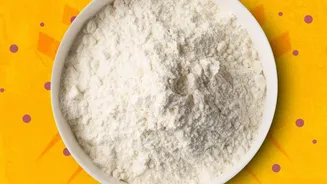
The core of the issue is humidity. Flour, along with other dry ingredients like sugar and salt, is hygroscopic, which means it readily absorbs moisture from the air. When it's raining outside and you have a window open, the humidity inside your kitchen
can spike dramatically. That moist air becomes a direct threat to the quality and safety of your flour. Even if the flour doesn't get directly wet, it acts like a sponge, soaking up the water vapour in the atmosphere. This seemingly harmless absorption sets off a chain reaction that can ruin your ingredients and compromise your cooking.
From Clumps to Critters
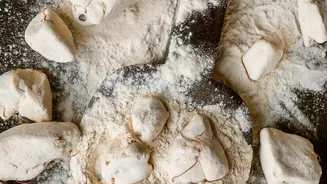
Once flour absorbs excess moisture, several problems begin. The most immediate effect is clumping, which makes measuring difficult and can ruin the texture of your baked goods. But the consequences can be much worse. Damp flour is an ideal breeding ground for mould and bacteria, which can lead to spoilage and musty, off-flavours that render it unusable. Furthermore, this humid environment is incredibly inviting to common pantry pests like weevils and flour beetles. These tiny insects thrive in warm, moist conditions, and a bag of damp flour is a perfect nursery for their eggs to hatch. Before you know it, a small storage mistake can lead to a full-blown infestation that can spread to other grains and foods in your pantry.
Creating the Ideal Flour Haven
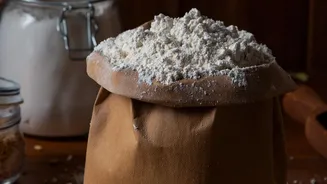
To protect your flour, you need to create the opposite of a rainy windowsill environment. The ideal storage condition for flour is a cool, dry, and dark place. Heat and light accelerate the oxidation of natural oils in flour, especially in whole wheat varieties, causing it to go rancid and develop a sour smell. Storing it in a dark cupboard or pantry away from heat sources like the stove, oven, or the top of the refrigerator is crucial. The most important defence, however, is an airtight container. The paper bags that flour typically comes in are breathable and offer little protection against moisture or pests.
Your Action Plan: Best Storage Practices
The moment you bring flour home, your goal should be to create a barrier against the elements. Transfer it immediately from its original paper bag into an airtight container. Glass, high-quality plastic with a gasket seal, or metal containers are excellent choices. For long-term storage, especially for more perishable whole-grain flours, the freezer is your best friend. Freezing the flour not only dramatically extends its shelf life but also kills any potential pest eggs that may have been present in the package from the store. If you do freeze it, let the container come to room temperature before opening to prevent condensation from forming inside. A simple, effective practice is to buy smaller quantities more frequently during intensely humid seasons like the monsoon, ensuring your stock is always fresh.
Beyond Flour: Protecting Your Whole Pantry
This principle of dry storage extends far beyond just flour. During the rainy season, many kitchen staples are at risk. Spices, lentils (dals), sugar, salt, biscuits, and chips can all absorb ambient moisture, leading to clumping, staleness, and mould. Apply the same rules: use airtight containers for everything. Check your spice jars to ensure the seals are tight. Avoid storing spices in the cabinet directly above your stove, where steam and heat are constant. For extra protection against pests, some people find that adding a dried bay leaf to containers of grains and flour can act as a natural repellent. By being mindful of humidity, you can protect your entire pantry, reduce food waste, and ensure your ingredients are always fresh and safe to use, rain or shine.