


The All-Important Fiber Factor
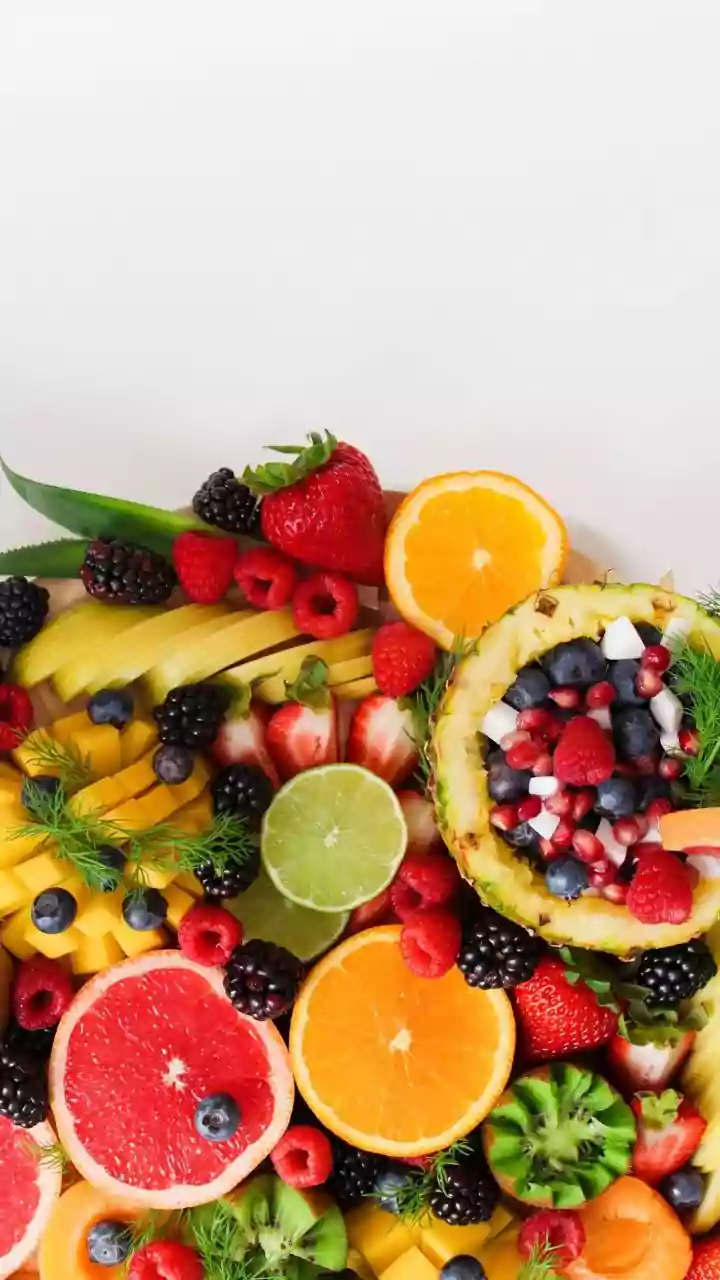
The single biggest difference between eating fruit and drinking it lies in one crucial component: dietary fiber. Whole fruits are packaged by nature with both soluble and insoluble fiber. This fiber is found in the pulp, skin, and the very structure of
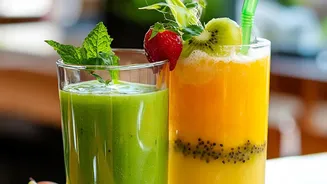
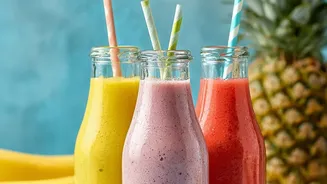
the fruit's cells. When you eat a whole piece of fruit, this fiber plays a vital role. It aids digestion, promotes gut health by feeding beneficial bacteria, and, most importantly, slows down your body's absorption of the fruit's natural sugars. Juicing, even processes that leave some pulp or 'texture', removes a significant amount of this fiber. A standard juicer extracts the liquid and discards the fibrous pulp, where many nutrients are also bound. Even blending, which creates smoothies, breaks down the fiber into smaller particles, altering how your body processes it. While a textured juice is better than a completely filtered one, it simply doesn't contain the intact, complex fiber matrix of a whole fruit.
Understanding the Sugar Situation
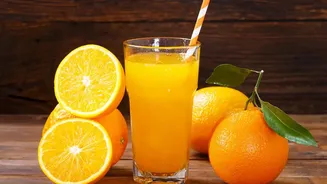
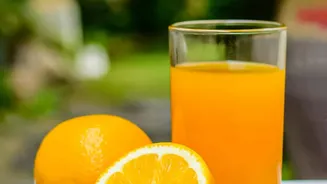
Without the full fiber content to act as a brake, the sugar in fruit juice—even 100% fresh juice—hits your bloodstream much faster than if you ate the fruit whole. This causes a more rapid spike in blood glucose and a corresponding insulin response. Think of it this way: the sugar in a whole orange is released slowly as your body breaks down the fruit's cellular structure. The sugar in a glass of orange juice, which might contain three to four oranges, is a concentrated dose of 'free sugars' that your body can absorb almost immediately. This is why the World Health Organization classifies sugars in fruit juice in the same category as added sugars. Over time, frequent blood sugar spikes can be problematic. Studies have shown that higher whole-fruit consumption is linked to a lower risk of type 2 diabetes, while higher fruit juice consumption is linked to an increased risk.
Satiety: The Feeling of Fullness
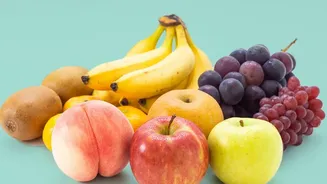
Have you ever noticed that you can drink a large glass of juice and still feel hungry, but eating two whole apples feels like a substantial snack? That's satiety at work. The combination of chewing and the physical bulk of fiber in whole fruit sends signals to your brain that you are full. Research shows that consuming fruit in its solid form leads to greater feelings of fullness and can reduce overall calorie intake in a subsequent meal compared to drinking it. Liquid calories are generally less satiating than solid ones. Because juice can be consumed quickly and doesn't provide the same feeling of fullness, it's easier to consume more calories and sugar than you might intend. Eating a whole fruit is a more mindful process that gives your body time to register that it's being nourished.
What About Vitamins and Nutrients?
Juice isn't devoid of nutrition; it certainly contains vitamins and minerals. However, the whole fruit is a more complete package. Many important antioxidants and plant compounds, known as polyphenols, are concentrated in the skin and pulp—the very parts that are often reduced or removed during juicing. The process of juicing also exposes the nutrients to oxygen, which can cause some vitamins, like Vitamin C, to degrade over time. The 'food matrix'—the intact physical structure of the whole fruit—protects these compounds and ensures you get them in the synergistic package nature intended. While a freshly made juice is better than a processed one with a long shelf life, it still represents a nutritional downgrade from eating the fruit itself.
The Verdict: Is Textured Juice a Healthy Choice?
So, where does that leave juices promising 'whole fruit texture'? While they are a step up from clear, highly filtered juices because they retain more pulp, they are not nutritionally equivalent to whole fruit. The term often refers to products that are more like a blended smoothie or a crushed fruit beverage. These will contain more fiber than standard juice but still lack the intact structure and satiety benefits of chewing the fruit. The blending process still breaks down the fiber and makes the sugars more readily available than they are in their natural state. Think of it as a spectrum: whole fruit is the gold standard, a homemade smoothie using the whole fruit is a good second, textured juice is a distant third, and clear, filtered juice is last.