






From Pet to ‘Paw-rent’
The way we see our furry companions in India has fundamentally changed. A growing trend, often called 'pet humanisation', sees owners viewing their pets as integral family members—akin to children. This emotional shift, especially strong in urban households
and among younger professionals, is driving a revolution in the pet care industry. It’s no longer enough to just provide food; devoted ‘paw-rents’ are now focused on providing high-quality nourishment that supports long-term health and wellness. This has sparked a willingness to spend more on premium products and carefully investigate what goes into their pet’s bowl, moving away from table scraps towards scientifically formulated diets.
The Boom in Premium Pet Food
The Indian pet food market is currently experiencing a massive expansion, with analysts projecting strong double-digit growth. A significant driver of this is the demand for premium and super-premium products, which are growing at a faster rate than the overall market. This category includes foods with high-quality ingredients, specialised diets (like grain-free or breed-specific formulas), and organic or natural options. Fueled by rising disposable incomes and greater awareness, pet owners in metro cities are leading the charge, seeking out functional foods that address everything from skin and coat health to digestion and immunity. This trend has attracted both major international brands and a new wave of domestic startups, all vying to meet the evolving nutritional demands of India's pet population.
Decoding the Label: What to Look For
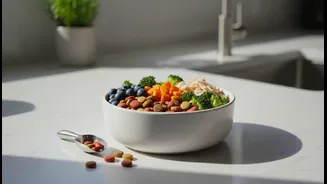
Reading a pet food label doesn't have to be confusing. The first and most important rule is to check the first few ingredients, as they are listed by weight and make up the bulk of the food. Look for a high-quality, named animal protein source—like 'chicken', 'lamb', or 'fish'—as the number one ingredient. Vague terms like 'meat by-products' or 'animal derivatives' can indicate lower-quality sources. Healthy fats, such as salmon oil or chicken fat, are also crucial for skin and coat health. Digestible carbohydrates like sweet potatoes, oats, or brown rice provide steady energy. Finally, look for a 'nutritional adequacy' statement from a regulatory body like AAFCO, which confirms the food is complete and balanced for your pet's life stage (e.g., puppy, adult, senior).
Red Flags: Ingredients to Avoid
Just as important as knowing what to look for is knowing what to avoid. Be wary of foods that list fillers like corn, wheat, and soy among the first few ingredients, as they offer limited nutritional value and can trigger allergies in some pets. Artificial preservatives such as BHA, BHT, and ethoxyquin are another red flag; while they extend shelf life, they have been linked to health concerns with long-term exposure. Similarly, artificial colours and dyes are added to appeal to humans, not pets, and provide no nutritional benefit. Added sugars like corn syrup are also unnecessary and can contribute to weight gain and dental problems. A quality food relies on good ingredients for taste, not artificial flavours or sweeteners.
Is a Higher Price Always Healthier?
While premium foods often carry a higher price tag, cost alone isn't a guarantee of quality. The key is to focus on value, which comes from nutrient density and ingredient quality. An expensive food loaded with exotic but unnecessary ingredients may not be better than a moderately priced option with a solid, science-backed formula. Instead of being swayed by marketing claims on the front of the bag, turn it over and focus on the ingredient list and the guaranteed analysis (the breakdown of protein, fat, and fibre). Often, a food with better quality protein and fewer fillers will be more nutrient-dense, meaning you might need to feed your pet smaller portions, which can offset some of the cost difference over time. Ultimately, the best food is one that fits your budget while meeting your pet's individual health needs.