
The Great Escape from Urban Burnout
The hustle culture of India's tech hubs like Bengaluru, Gurugram, and Hyderabad has long been a double-edged sword. While offering lucrative careers, it often comes at the cost of gruelling commutes, high-stress environments, and a relentless pace of life
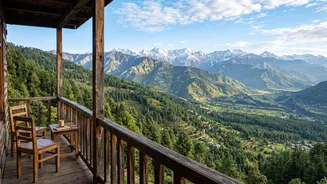
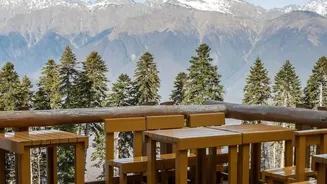
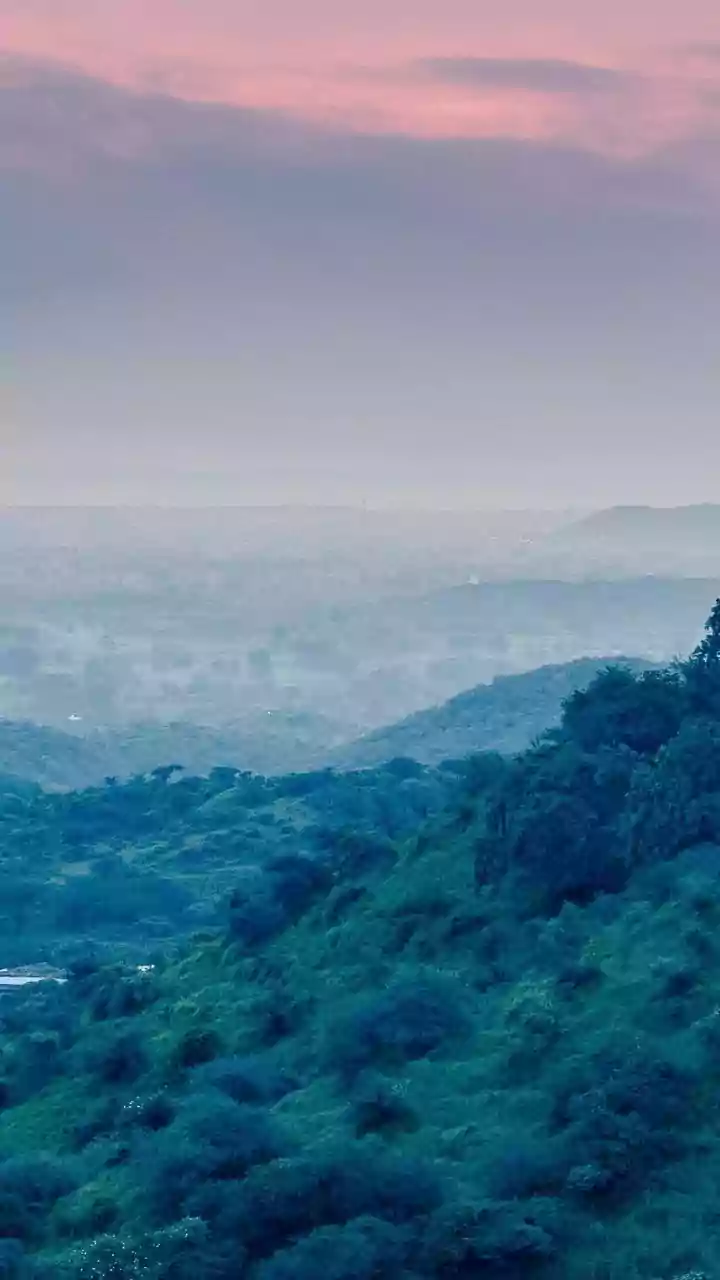
that leaves little room for personal well-being. The shift to remote work, accelerated since 2020, has acted as a catalyst, allowing professionals to question the necessity of living in expensive and crowded concrete jungles. Many are realizing that if work can be done from a city apartment, it can also be done from a mountain-view balcony. This has sparked a migration trend, not to other large cities, but to quieter, slower-paced towns that promise a fundamental lifestyle change.
The Unique Allure of Dharamkot
Perched just above the more bustling McLeod Ganj, Dharamkot has emerged as a sanctuary for this new wave of digital nomads. Often called a 'hippie village', it blends a tranquil, spiritual atmosphere with the practical amenities remote workers need. The area is known for its strong Tibetan Buddhist influence, offering access to meditation centres like Tushita and Dhamma Shikara, yoga classes, and a holistic wellness culture. This spiritual magnetism, combined with breathtaking natural beauty, provides a rejuvenating environment that fosters both productivity and personal growth. Unlike other remote hill stations, Dharamkot has developed a distinct ecosystem tailored to long-term stays, making it more than just a scenic backdrop.
A New Blueprint for the Workday
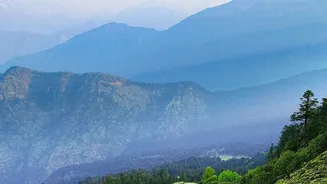
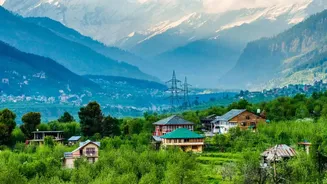
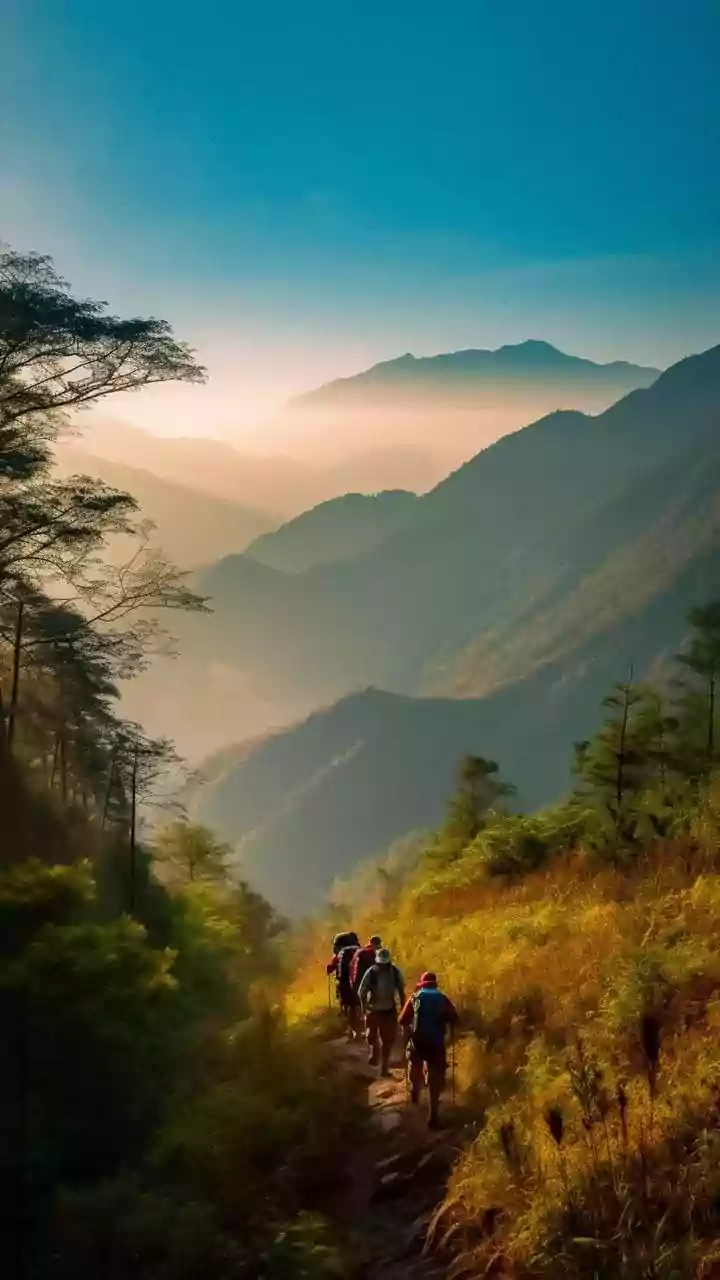
A typical day for a tech worker in Dharamkot looks vastly different from one in the city. The 9-to-5 grind is replaced by a more fluid schedule that integrates work with life. A morning might start with meditation or a walk through pine forests before logging on for a few hours of focused work, powered by surprisingly robust Wi-Fi. The village is dotted with cosy cafes that not only serve international cuisine but also offer high-speed internet, effectively turning them into informal co-working spots. Afternoons could involve a trek to the nearby Gallu Devi temple or the starting point of the famous Triund trek. Evenings are often spent connecting with a diverse community of fellow remote workers, artists, and travellers at bonfires or live music sessions, fostering a sense of connection that often gets lost in urban anonymity.
The Rise of a Plug-and-Play Nomad Infrastructure
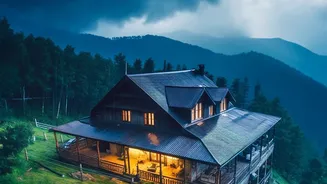
This migration has been enabled by a growing infrastructure designed specifically for remote professionals. Numerous homestays and guesthouses now advertise reliable Wi-Fi, power backup, and comfortable work desks as standard amenities. Beyond that, dedicated co-living and co-working spaces like NomadGao, Alt Life, and The VOID have established a strong presence. These spaces offer a package deal: private rooms, high-speed internet (with speeds reportedly reaching up to 150-200 Mbps), communal kitchens, and organised community events. This plug-and-play setup removes many of the logistical hurdles of moving to the mountains, providing a ready-made community and a productive work environment from day one.
Not Without Its Challenges
Despite the idyllic setting, the move is not a seamless escape for everyone. Life in the mountains comes with its own set of practical challenges. While internet connectivity has improved dramatically, it can still be inconsistent, especially during periods of bad weather. Power outages, though often brief, are a reality, making accommodation with an inverter or generator backup essential. Access to urban-level healthcare and other amenities is limited, and the quiet, slow pace can sometimes lead to feelings of isolation for those accustomed to city life. Furthermore, the increasing influx of remote workers raises important questions about the long-term impact on the local culture, cost of living, and fragile Himalayan environment.