






The Human Frontier: Gaganyaan and a Home in Orbit
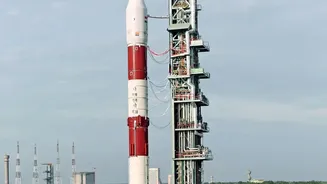
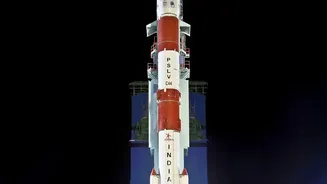
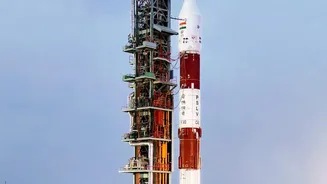
The cornerstone of ISRO's next chapter is the Gaganyaan mission, India's inaugural human spaceflight program. The goal is to send a crew of three astronauts into a 400-kilometre orbit for a three-day mission, making India the fourth nation in the world
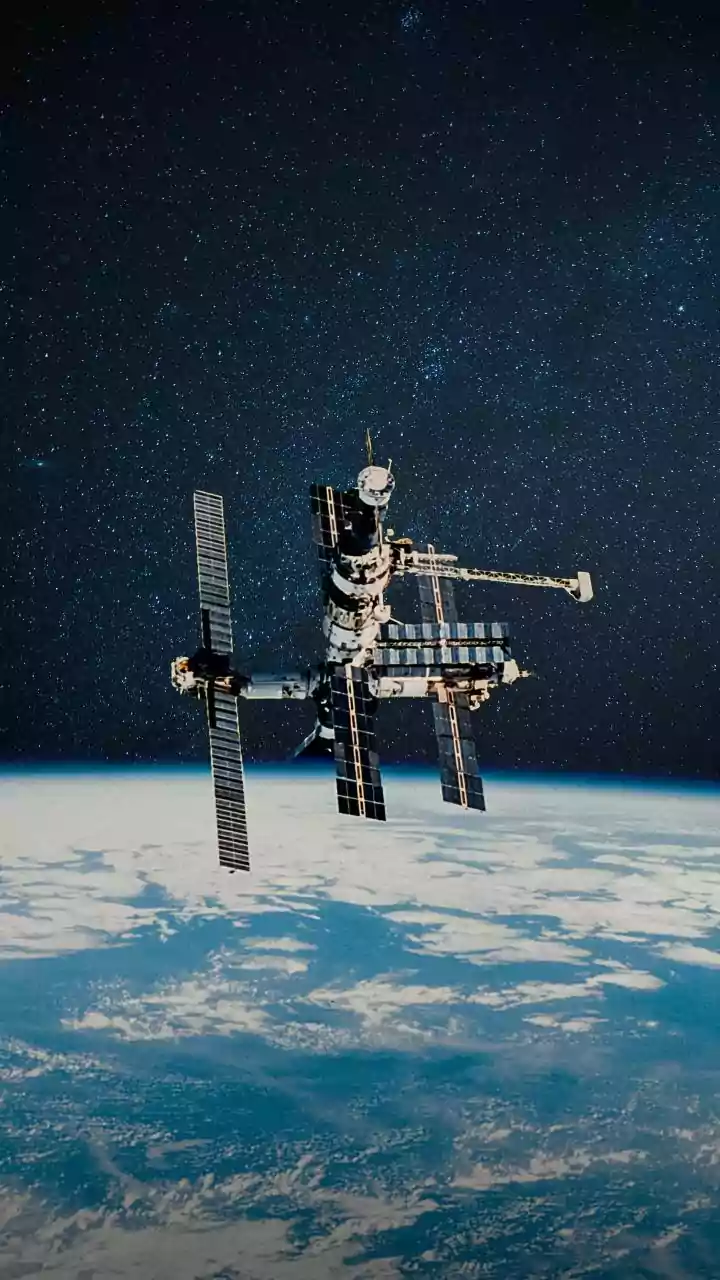
to achieve independent human spaceflight capability. Following a series of uncrewed test flights, the first of which is slated for late 2026 or 2027, the first crewed flight is anticipated. But Gaganyaan is not the final destination; it's a stepping stone. The ultimate ambition is to establish the Bharatiya Antariksha Station (BAS), a modular space station, by 2035. The first module is targeted for a 2028 launch, which will serve as a research hub for microgravity experiments and a crucial training ground for future deep-space missions, including a planned crewed lunar landing by 2040.
Revisiting the Planets: Mars and Venus
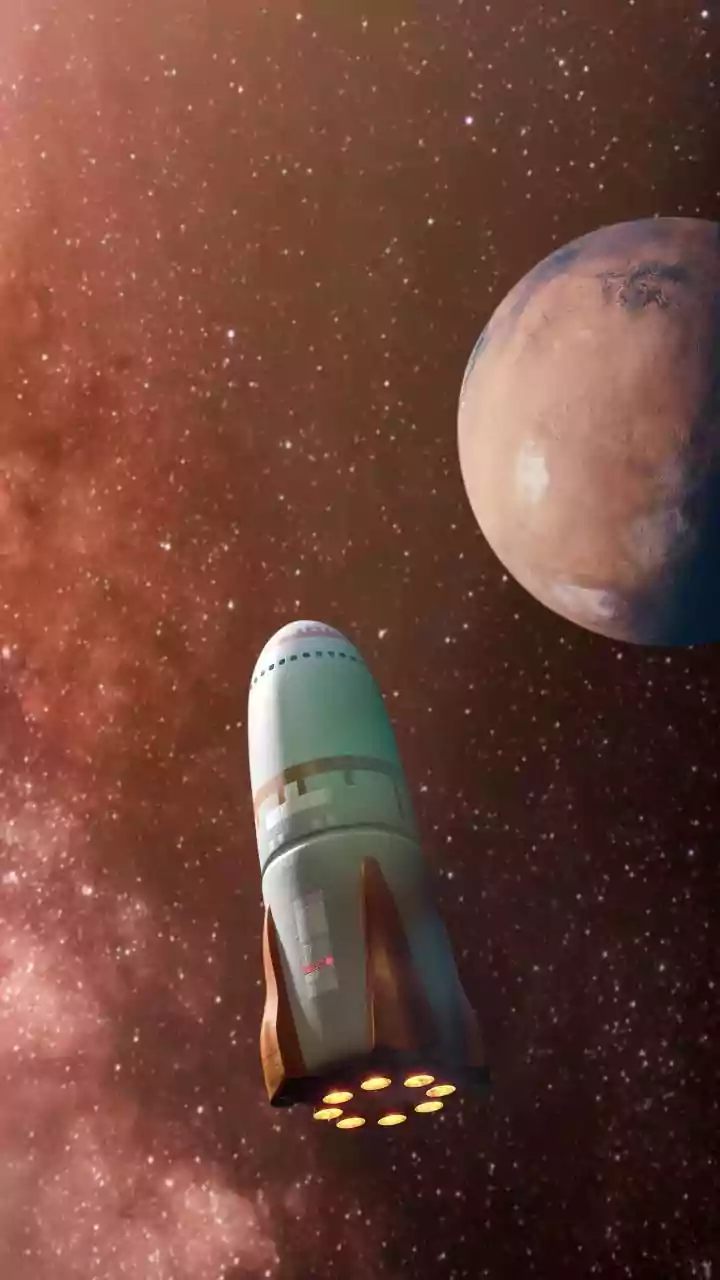
Having tasted success with the Mangalyaan Mars Orbiter Mission, ISRO is setting its sights on a more complex planetary challenge. Mangalyaan-2, tentatively scheduled for launch around 2030, will be a major leap, involving not just an orbiter but also a lander, a rover, and even a helicopter to study the Martian surface and atmosphere. If successful, this mission would place India in the elite club of nations that have successfully landed on the Red Planet. Alongside Mars, ISRO is also turning its attention to Earth's other neighbour, Venus. The Shukrayaan-1 orbiter mission, approved in 2024 and scheduled for a 2028 launch, aims to study the planet's dense, toxic atmosphere and volcanic surface to understand why Earth's 'twin' evolved so differently.
The Engine of Ambition: Reusable Rockets
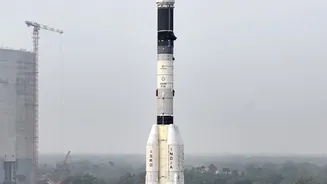
Underpinning these ambitious plans is a critical technological push towards reusable launch systems. To reduce costs and increase launch frequency, ISRO is developing the Next Generation Launch Vehicle (NGLV). This powerful, three-stage rocket is being designed to be partially reusable, with a first stage capable of vertical landing, similar to the technology pioneered by SpaceX. While private Indian startups are also racing to demonstrate this capability on a smaller scale, the NGLV is a government-led project intended to be the workhorse for heavy-lift launches, capable of deploying space station modules and launching large satellite constellations. The successful development of NGLV is seen as essential for making India's ambitious space vision economically sustainable.
Expanding Capabilities: Science and Security
Beyond the headline-grabbing planetary missions, the next decade will see a significant expansion of India's satellite infrastructure for both civilian and strategic purposes. A steady pipeline of launches is planned, including advanced Earth observation satellites like Cartosat-3B for high-resolution imaging used in urban planning, disaster management, and defence surveillance. New communication satellites like GSAT-32 are also on the agenda to enhance India's broadband and digital infrastructure. Further lunar exploration is also planned, with Chandrayaan-4, a sample return mission, and LUPEX, a joint mission with Japan to explore the Moon's south pole for water ice. This multi-pronged approach ensures that while reaching for the stars, ISRO continues to deliver tangible benefits for national development and security on Earth.