





Why Are Car Prices Increasing Again?
If it feels like car prices are constantly on the rise, you’re not wrong. Automakers are facing a challenging economic environment. Major manufacturers have pointed to a combination of factors driving the latest round of increases. The primary culprits
are rising input and commodity costs, meaning the raw materials used to build cars, like steel and aluminum, are more expensive. On top of that, higher operational expenses and broader macroeconomic uncertainties are squeezing profit margins, forcing companies to pass some of the burden onto consumers. This isn't a one-off event; for some brands, this is the third price adjustment in 2026 alone, highlighting the persistent cost pressures across the industry.
Which Brands Are Affected?
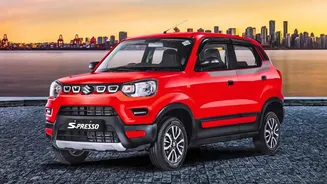
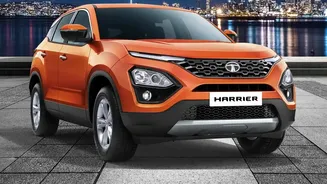
The September price revisions are not limited to a single company. Tata Motors has announced an increase of up to ₹25,000 across its entire portfolio of petrol, diesel, and electric vehicles, starting September 1. This follows earlier hikes in April and July. Similarly, Hyundai Motor India will raise prices by up to 1% across all its models, including popular SUVs like the Creta and Venue, as well as its electric offerings. These announcements come on the heels of other major players like Maruti Suzuki, who also adjusted their prices in recent months, indicating a widespread industry trend. More manufacturers are expected to follow suit as the festive season approaches.
Strategy 1: Lock in the Current Price
If your heart is set on a specific model from a brand that has announced a price hike, your best move is to act fast. For customers who have already decided on their purchase, completing the booking and invoicing before September 1 could allow you to secure the vehicle at its current, lower price. Dealerships are often motivated to close sales before a price revision takes effect. Contact your local dealer immediately to confirm if they are offering price protection for bookings made before the deadline. This single step could save you a significant amount, effectively negating the upcoming increase.
Strategy 2: Leverage the Festive Season Offers
A price hike doesn't mean discounts are off the table. September marks the beginning of India's high-demand festive season, a period when dealerships are eager to move inventory. Automakers traditionally roll out their most attractive offers during the months leading up to Dussehra and Diwali to capture the positive consumer sentiment. Look for special schemes that can include cash discounts, exchange bonuses, lower interest rates on loans, free accessories, or complimentary extended warranties. These offers can often offset, or even outweigh, the official price increase, making it a surprisingly good time to negotiate a deal.
Strategy 3: Be Flexible with Your Choice
If the variant you wanted has become too expensive, it's time to reassess your options. Consider a lower-spec variant of the same model; you might find it has all the features you truly need without the higher price tag. Alternatively, explore models from brands that have not yet announced a price hike. The market is competitive, and another manufacturer might offer a similarly equipped vehicle at a more attractive price point. Don't forget to look at newly launched models. With several new cars and facelifts hitting the market in August and September, you might find an introductory offer on a brand-new vehicle that provides better overall value.
Strategy 4: Explore the Pre-Owned Market
With the prices of new cars climbing, the certified pre-owned market becomes an even more compelling alternative. A one or two-year-old vehicle can offer a near-new experience at a fraction of the cost. The festive season is also a time when many existing car owners upgrade to new models, leading to a fresh supply of high-quality used cars entering the market. Look for vehicles sold through manufacturer-backed certified pre-owned programs, which typically include thorough inspections and a warranty, providing extra peace of mind for your purchase.