




A Hub for Heritage and Innovation
On August 3, 2026, the Union Minister of Textiles inaugurated the Centre of Excellence for Handloom Technology (CoE-HT) at IIT Delhi. Established with a government investment of nearly ₹12 crore, the centre is designed to be a national knowledge and innovation
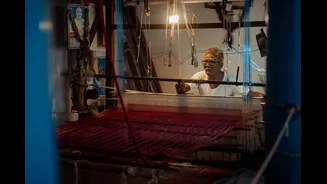
hub. Its core mission is to integrate India's rich handloom heritage with cutting-edge research and digital technologies. The goal is to strengthen the sector's competitiveness, promote sustainability, and expand its global reach. This isn't just an academic exercise; it's a strategic effort to support the more than 3.5 million weavers and allied workers who form the backbone of this significant traditional industry.
Tackling Age-Old Challenges with Modern Tools
The handloom sector, which accounts for nearly 70% women in its workforce, faces persistent challenges. These include low productivity, outdated technology, limited market access, and competition from power looms and counterfeit products. The CoE-HT aims to address these issues head-on. Its focus areas are comprehensive, spanning loom modernization, ergonomics to reduce physical strain on weavers, the application of artificial intelligence, sustainability practices, and fostering entrepreneurship. By bringing together academics, industry experts, designers, and technologists, the centre hopes to develop practical solutions that empower artisans and make the sector more resilient.
The Technology in the Weave
The initiative involves more than just theory. Five flagship projects were launched alongside the centre's inauguration to accelerate digital transformation. These include 'Handloom 4.0', a mobile app for monitoring loom productivity and quality, and 'Handloom e-Vidya', a digital learning platform for weavers. Another key project is the development of a national digital repository of handloom knowledge, preserving designs and techniques for future generations. Over the next five years, the centre plans to create AI-enabled tools, facilitate patents for new technologies, and incubate startups focused on the textile value chain. This push mirrors a broader trend where technologies like virtual reality and blockchain are being used to document craft techniques and certify authenticity.
From the Lab to the Loom
The ultimate measure of the centre's success will be its real-world impact. The plan includes training at least 1,000 weavers, faculty members, and other handloom professionals over the next five years. This capacity-building effort is crucial for ensuring that technological advancements are adopted at the grassroots level. The emphasis is on creating tools that are not only innovative but also accessible and user-friendly for artisans. For example, events like the Handloom Hackathon held at IIT Delhi have already showcased AI-enabled platforms and digital market access tools designed to directly benefit weavers by reducing manual effort and connecting them to global buyers. The goal is to enhance livelihoods, not just preserve a craft in a museum.
A New Blueprint for Cultural Preservation
The IIT Delhi centre is part of a larger movement recognizing that technology can be a powerful ally in preserving cultural heritage. Instead of replacing artisans, the focus is on empowering them. Digital platforms are helping weavers bypass middlemen and earn higher wages, while social media allows them to share the stories behind their creations, forging a direct connection with consumers. Initiatives like the CoE-HT provide an institutional framework for this synergy, proving that tradition and innovation can coexist and mutually reinforce each other. By investing in research and development, the government and academic institutions are creating a blueprint where India's priceless weaving traditions can not only survive but thrive in the 21st century.