







The Deceptively Simple Mistake
Boarding a train seems straightforward: find your platform, match your coach and seat number, and settle in. However, experienced travellers know that the single most important detail on the departure board is not the train’s name or number, but its final
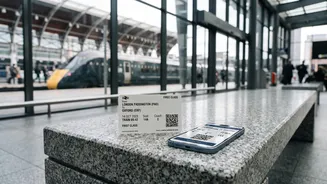
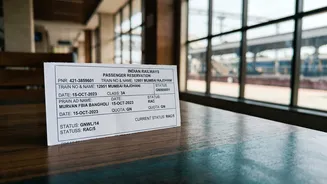
destination. Two different trains might share a name or part of a route but end up hundreds of kilometres apart. For instance, a 'Superfast Express' to Mumbai might have a sibling train with a similar name that travels to a different part of the country. Relying on the train name alone is a common mistake that can lead to a long, unintended detour. The golden rule is to always match the train number and final destination on the platform display with the details printed on your ticket.
The Splitting Train Trap
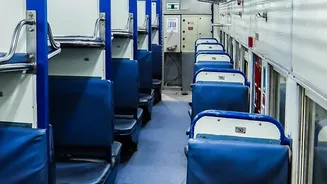
One of the most confusing phenomena for the uninitiated is the concept of a 'slip train'. These are trains where a few coaches are detached at a specific junction to continue towards a different destination. For example, a train travelling from Bengaluru to Karwar might have carriages that are uncoupled at Mangaluru to proceed towards Kannur. If your seat is in one of these 'slip coaches' and your destination is Karwar, you will find yourself heading along a branch line you never intended to travel. Passengers boarding at intermediate stations need to be especially vigilant. Always confirm that your specific coach is going all the way to your intended stop, not just part of the way.
Last-Minute Platform Roulette
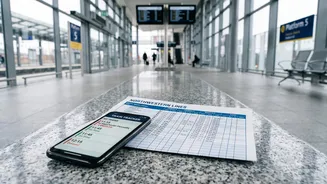
Even the most prepared traveller can be caught off guard by last-minute platform changes. You might arrive at the station with plenty of time, find your platform, and wait patiently, only for an announcement to shift your train to another platform moments before its arrival. In the ensuing rush, it's easy to follow the crowd and accidentally board a different train that has pulled into your original platform. Digital display boards and audible announcements are your primary source of truth here. Keep an eye on the screens and listen for updates until your train has physically arrived and you can see its destination board on the side of the coaches. This simple act of re-verification can prevent a major travel headache.
Decoding Station Signs and Displays
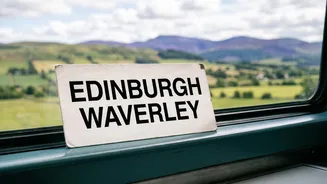
At a busy station, information overload is common. However, the display boards are designed for clarity. They show the train number, its name, the final destination, and the scheduled departure time. The most prominent colour used for station name boards across Indian Railways is yellow with black text, chosen specifically for its high visibility in various weather conditions. When your train pulls in, look for the destination board on each coach. This confirms the train's route. Cross-reference this with your ticket and the main platform display. If there is any discrepancy or you feel unsure, do not board. It is always better to miss a train than to board the wrong one.
When in Doubt, Always Ask
Technology and signboards are invaluable, but human confirmation provides the ultimate peace of mind. Railway staff, such as the Train Ticket Examiner (TTE), station managers, or authorised railway police personnel, are there to help. Before boarding, you can show your ticket to a conductor or a uniformed official and simply ask, for example, 'Puri?', while pointing at the train. They can give you a quick confirmation. Even asking fellow passengers who appear to be regular travellers can be helpful, though official sources are always best. A moment of polite inquiry is a small price to pay for the assurance that you are starting your journey in the right direction.