





1. The Mystical Misty Hills
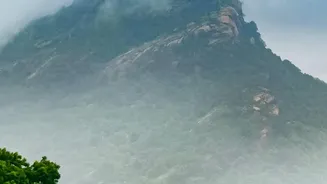
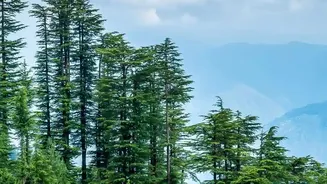
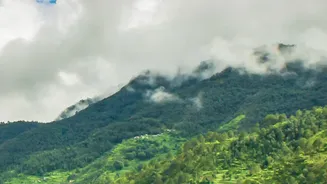
There's an undeniable magic to the way mist and fog blanket the hills during the monsoon, from the Western Ghats to the Himalayas. This theme is all about capturing mood and atmosphere. Instead of waiting for a clear day, embrace the low visibility. Use
the fog to isolate subjects like a lone tree, a winding road, or a small cottage. The mist acts as a natural softbox, diffusing light and creating a gentle, ethereal quality. For composition, think in layers; photograph hills receding into the fog to create a sense of depth and scale. Popular locations like Munnar, Coorg, and Lonavala are perfect for this style. A telephoto lens can help compress these layers, making distant hills appear closer and more majestic. Don't be afraid to underexpose slightly to enhance the moody, dramatic feeling of the scene.
2. The Roaring Waterfalls
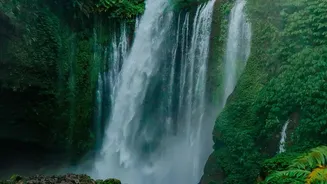
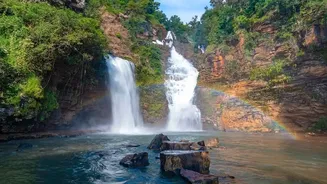
Monsoon breathes life into waterfalls, turning gentle trickles into powerful, roaring cascades. This is your chance to capture the raw energy of nature. The key technique here is playing with shutter speed. To create that silky, smooth effect where the water looks like flowing milk, you'll need a slow shutter speed (anywhere from 1/2 to several seconds) and, crucially, a tripod to keep your camera perfectly still. Places like Abbey Falls in Coorg or the many falls in the Sahyadris become prime subjects. Conversely, a fast shutter speed (like 1/250s or quicker) will freeze the motion, capturing the explosive power of every droplet. A polarising filter is an invaluable tool here; it reduces glare on wet rocks and foliage, and deepens the greens, making the entire scene richer and more vibrant. Always prioritise safety, as areas around waterfalls can be extremely slippery.
3. The Vibrant Green Expanse
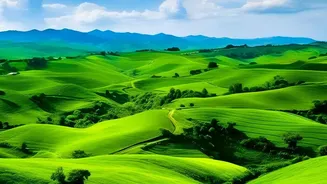
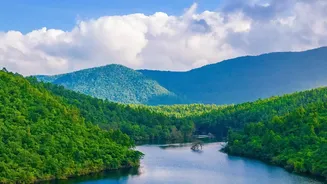
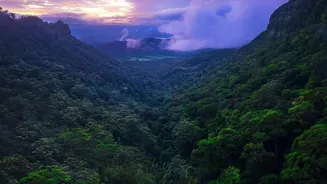
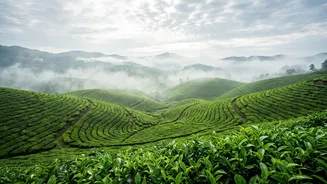
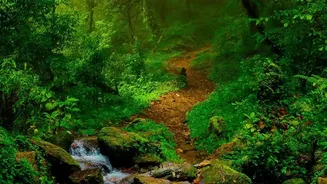
After the first few showers, the landscape explodes in a thousand shades of green. This theme focuses on the colour and life that the monsoon brings. From the tea plantations of Munnar to the vast meadows in the Valley of Flowers, the scenery is intensely saturated. To make the most of it, get up close. Use a macro lens or your phone's macro mode to photograph raindrops clinging to a leaf, a spider's web, or a blooming flower. These small details tell the story of the season just as much as a grand vista. For wider landscape shots, look for a contrasting element—a red-tiled roof, a colourful umbrella, or a brightly-painted temple—to break the monotony of green and add a strong focal point to your image. Overcast skies provide soft, even light that makes these colours pop without creating harsh shadows.
4. The Dramatic Skies and Reflections
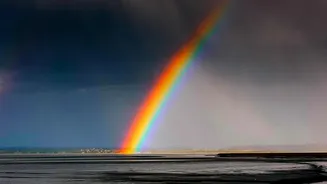
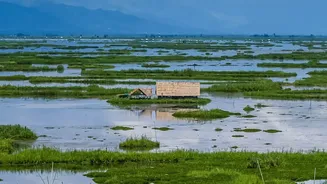
Monsoon skies are rarely boring. They are a canvas of dark, brooding clouds, sudden sunbeams, and spectacular sunsets after a downpour. This theme is about looking up and looking down. For the skies, expose for the clouds to retain their dramatic texture. Sometimes, the sun breaking through the clouds creates 'god rays'—stunning beams of light that can transform a landscape. Just as important are the reflections created by the rain. Wet city streets, puddles, and overflowing lakes act like mirrors, doubling the visual interest of a scene. After a rain shower in an urban area, look for reflections of neon signs, traffic lights, and old architecture on the glistening roads. This is a fantastic way to create compelling images that blend nature’s elements with urban life.
5. Protecting Your Precious Gear
While not a visual theme, this is the most critical aspect of monsoon photography. Moisture is the enemy of electronics. The number one rule is to keep your equipment dry. A dedicated rain sleeve or cover is the best investment you can make. In a pinch, even a simple plastic bag secured with a rubber band can save your camera from a sudden shower. A lens hood is also essential, not just for flare, but to prevent raindrops from hitting the front element of your lens. Humidity is a silent threat, leading to fungus growth inside lenses, which can cause permanent damage. When not in use, store your gear in a dry cabinet or a sealed box with silica gel packets to absorb ambient moisture. After shooting in the rain, always wipe down your camera and lens thoroughly before storing them.