







What Exactly Is ‘Grounding’?
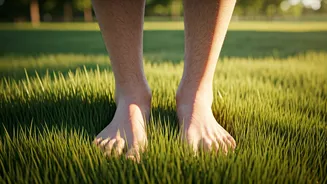
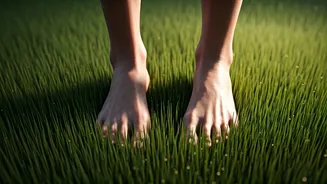
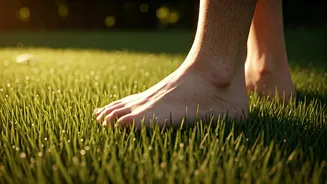
At its core, grounding—also known as 'earthing'—is the practice of making direct skin contact with the surface of the Earth. This means walking barefoot on grass, sand, or dirt, or even lying down on the beach. The theory promoted by advocates is that
our modern, insulated lifestyles (think rubber-soled shoes and living in high-rise buildings) have disconnected us from the planet’s subtle electrical charge. Proponents believe the Earth’s surface is rich in free electrons, and by making direct contact, our bodies can absorb them. These electrons are said to act like antioxidants, neutralizing damaging free radicals and, in turn, reducing inflammation, pain, and stress.
The Purported Health Benefits
Scroll through social media and you’ll see a laundry list of benefits attributed to grounding. The most common claim is significant stress reduction and an improved sense of well-being. Followers of the practice report feeling calmer and more centered after just a few minutes of barefoot time. Other purported perks include better sleep, reduced chronic pain, lower inflammation, improved circulation, and even a normalization of the body's biological rhythms, like the cortisol cycle that governs our stress response. It sounds like a panacea—a simple, free cure for many of modern life's ailments. But as with many wellness trends, the big question is whether these effects are proven or simply perceived.
So, What Does the Science Say?
This is where things get complicated. The scientific community is largely skeptical of the 'electron transfer' theory. While a handful of small studies, some published in journals focused on alternative medicine, have suggested positive outcomes, they are often criticized for their methodology. Many lack rigorous controls, use small sample sizes, or rely on subjective self-reporting, making it difficult to rule out the placebo effect. The placebo effect is powerful; if you believe walking barefoot will make you feel better, there's a good chance it will. Mainstream medical institutions like the Cleveland Clinic note that while the practice is generally low-risk, the scientific evidence to back the specific claims of earthing is just not there yet. More robust, independent research is needed before it can be considered a proven therapeutic technique.
The Undeniable Upside of Kicking Off Your Shoes
Even if you set aside the electron theory, there are concrete, science-backed reasons why walking barefoot outside feels good. First, there's mindfulness. The simple act of paying attention to the sensation of the ground beneath your feet—the coolness of the grass, the texture of the sand—can pull you out of your anxious thoughts and into the present moment. This is a foundational principle of many meditation practices. Second, it stimulates nerve endings on the soles of your feet, a practice known as proprioception, which can improve balance and body awareness. And perhaps most importantly, it gets you outside. Countless studies confirm that spending time in nature, or 'forest bathing,' is a powerful way to lower stress, reduce blood pressure, and boost your mood. So, whether it's the electrons or just the experience, you're still getting a real benefit.
How to Try It Safely
Ready to give it a try? It’s as simple as it sounds, but a little common sense goes a long way. Start with a safe, familiar surface like your own backyard lawn or a clean, public park. Sandy beaches and soft dirt paths are also great options. Begin with just 10 to 15 minutes a day and see how you feel. The key is consistency. As you walk, be mindful of your surroundings. Scan the ground for sharp objects like glass, rocks, or thorns. Be aware of pesticides or chemicals if you’re in a treated lawn area, and avoid places where animal waste might be present. In some regions, there can be a risk of picking up soil-borne parasites, so it's wise to stick to well-maintained areas. After your walk, simply wash your feet.