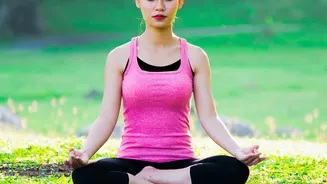







Understanding Quiet Attention
Quiet attention, often called mindfulness, is the simple practice of paying attention to the present moment on purpose, without judgment. It isn't about emptying your mind or stopping your thoughts; that’s an impossible task. Instead, it’s about noticing
your thoughts, feelings, and bodily sensations as they come and go, without getting carried away by them. Think of it as sitting by a river and watching the leaves float by, rather than jumping into the current. This practice helps to reduce the 'mental noise' of daily worries, allowing for a calmer and more focused state of mind.
The Breath as Your Anchor
So, how do you practice quiet attention? The easiest way to start is by focusing on your breath. Your breath is the perfect anchor to the present moment for two reasons: it’s always with you, and it’s always happening now. You take thousands of breaths every day without thinking about it. Breath-awareness is simply the act of consciously tuning into this natural rhythm. When your mind wanders—which it will—you can gently guide your focus back to the physical sensation of breathing. This simple act of returning your attention, again and again, strengthens your ability to focus and calms your nervous system.
A Basic Breath-Awareness Exercise
You can do this exercise almost anywhere. All you need is a few minutes.1. Find a comfortable position, either sitting in a chair with your feet on the floor or lying down.2. Gently close your eyes, or lower your gaze if that feels better.3. Bring your attention to your breath without trying to change it. Just notice it.4. Feel the sensation of the air as it enters through your nose and fills your lungs. Notice your belly or chest rising.5. Feel the sensation as you exhale, noticing your body soften.6. Continue this for a few minutes. When your mind gets distracted by thoughts, sounds, or sensations, gently notice the distraction and then guide your focus back to your breath. Don't be critical; the act of returning is the practice itself.
Simple Exercises to Try
Once you're comfortable with basic breath awareness, you can try simple, structured breathing techniques. One popular method is 'Box Breathing', used to create a steady rhythm. Inhale for a count of four, hold your breath for four, exhale for four, and hold again for four. Another is the '4-7-8 Breath', designed to promote relaxation. You inhale through your nose for four seconds, hold your breath for seven seconds, and then exhale slowly through your mouth for eight seconds. The extended exhale is particularly effective at activating the body's relaxation response.
Integrating Awareness into Daily Life
Mindfulness doesn't have to be limited to a formal, seated practice. You can bring quiet attention to any activity. Try 'Mindful Walking' by paying attention to the sensation of your feet on the ground with each step. Practice 'Mindful Listening' by focusing completely on the sounds around you without labeling them. You can even practice while having your morning tea, noticing its warmth, aroma, and taste. By turning routine activities into moments of awareness, you can find pockets of calm and focus throughout a busy day.