




The Problem with Plastic
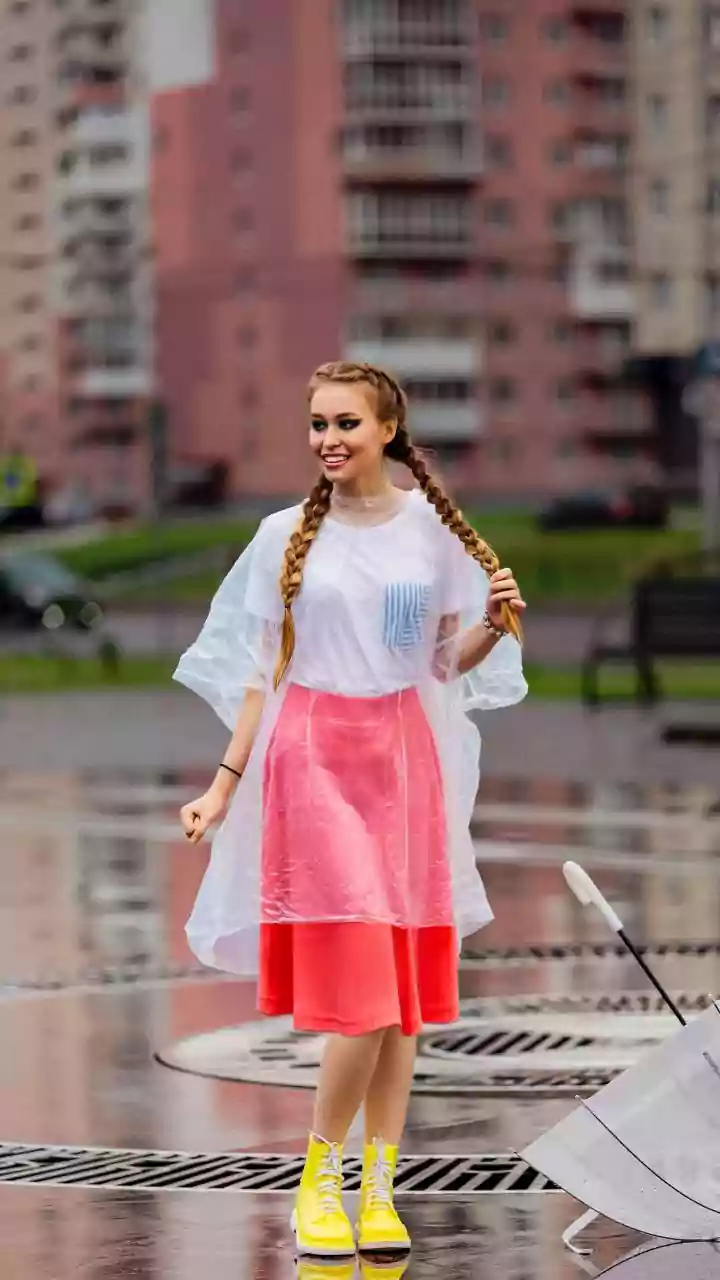
For decades, the Indian monsoon dictated a very specific, utilitarian wardrobe. The hero product was the plastic or PVC raincoat—functional, yes, but often a source of dread. These garments, while effective at blocking rain, are notorious for trapping
heat and humidity, making for a sticky and uncomfortable experience in India's tropical climate. They don't breathe, meaning that while you’re protected from the rain, you often end up soaked in your own sweat. Aesthetically, they left much to be desired, often coming in unflattering, shapeless cuts and a limited palette of dark colours. Furthermore, the environmental impact of cheap, disposable plastic rainwear is a growing concern, contributing to plastic waste in a country already battling pollution.
A New Era of Technical Fabrics
The real game-changer in modern monsoon fashion is the arrival of advanced textiles. Brands are now widely using waterproof breathable fabrics that keep rain out while allowing sweat and water vapour to escape. Technologies like Gore-Tex, once reserved for high-performance adventure gear, are now influencing everyday rain jackets. These fabrics work through a multi-layered laminate system, featuring a membrane with microscopic pores too small for water droplets but large enough for vapour to pass through. Beyond Gore-Tex, materials like nylon, tightly woven polyester, and polyurethane laminates (PUL) offer durable water resistance without the suffocating feel of PVC. Even natural fibres like tightly woven cotton are being treated with water-repellent finishes, offering a breathable option for lighter drizzles.
Stylish Silhouettes Take Over
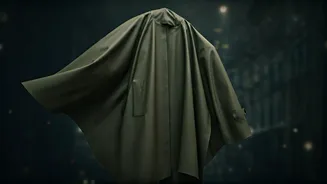
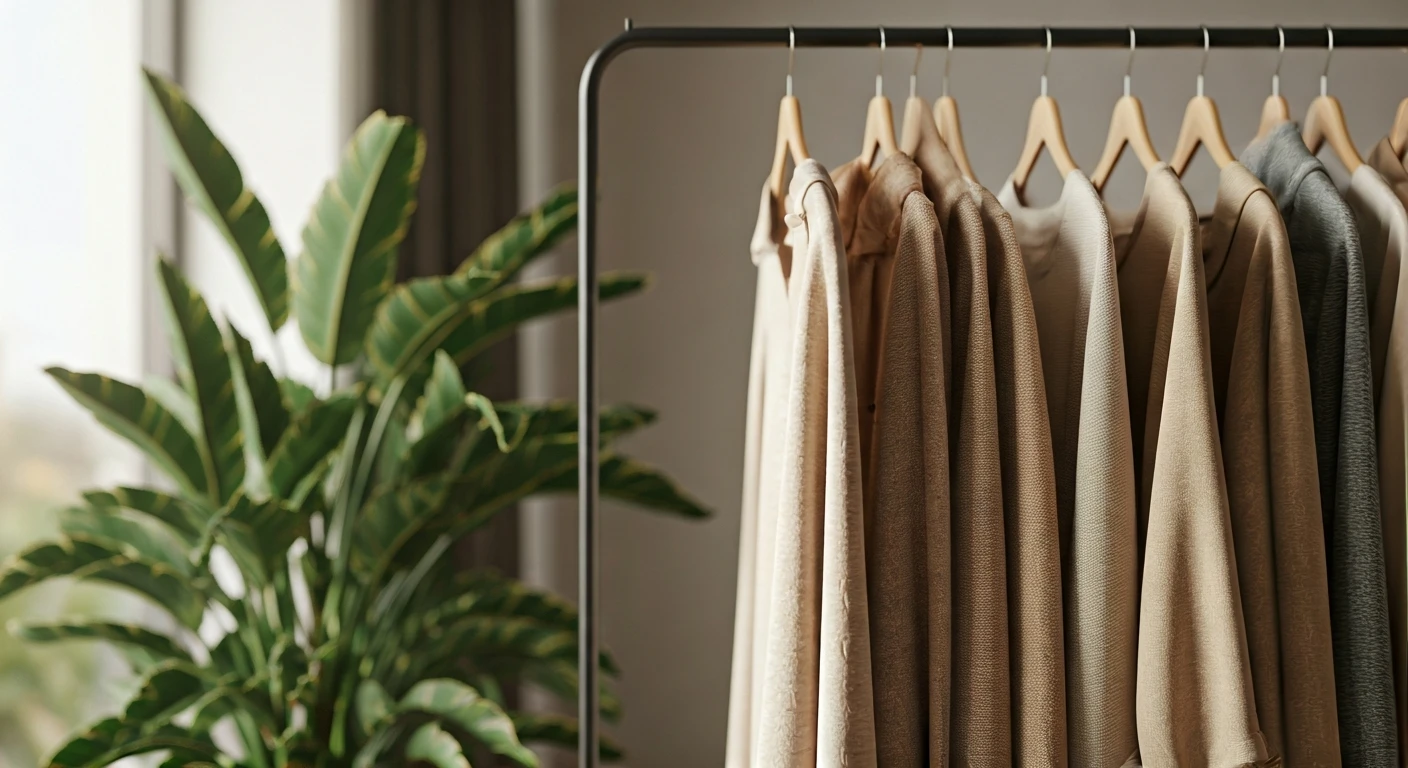
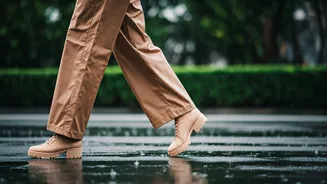
With better fabrics comes better design. The bulky, one-size-fits-all poncho is giving way to a range of stylish silhouettes. International and Indian brands like Zara, H&M, Wildcraft, and Puma are offering everything from classic trench coats and hooded parkas to sporty bomber jackets and lightweight puffers tailored for the rain. For those who prefer non-jacket options, designers are focusing on quick-drying fabrics like rayon, crepe, and georgette for dresses, co-ord sets, and kaftans. The key is choosing silhouettes that don't cling when damp; think A-line dresses, wide-leg trousers, and flowy tunics that allow for airflow. Bright, mood-lifting colours like poppy orange, deep indigo, and even pastels are also trending, challenging the old rule of only wearing dark shades in the rain.
The Sustainable and Local Push
The shift away from disposable plastic is also being driven by a desire for more sustainable choices. A growing number of brands are crafting rainwear from recycled PET bottles and regenerated nylon sourced from discarded materials like fishing nets. Brands like Finisterre and Tretorn are gaining recognition for their eco-conscious approach, combining recycled materials with high-performance waterproofing. In India, the trend is also about embracing local aesthetics. Designers are incorporating traditional block prints like Kalamkari and Dabu into monsoon-friendly collections. Several Indian designer labels like Limerick by Abirr N' Nanki and Paulmi & Harsh are creating dedicated monsoon edits featuring stylish draped dresses, kaftans, and co-ord sets in breathable fabrics like viscose and georgette.
It's Not Just About the Coat
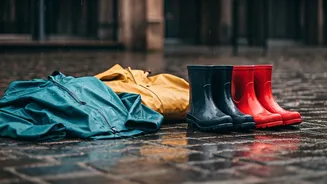
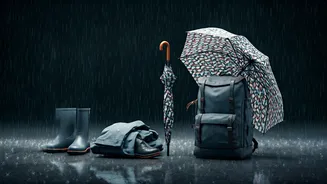
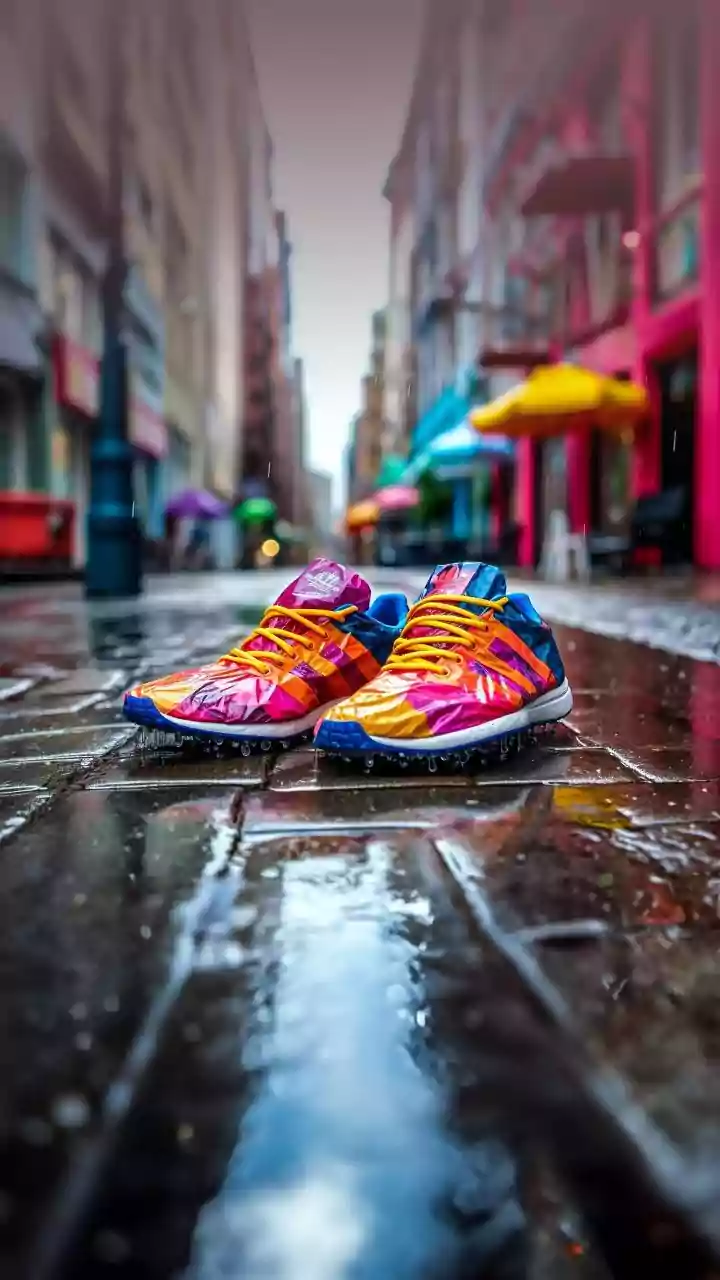
A complete monsoon look extends to footwear and accessories. The humble rubber flip-flop, a long-time celebrity favourite for its practicality, is now joined by more stylish options. Water-friendly sandals from brands like Birkenstock, stylish clogs, and slip-on loafers made from water-resistant materials are becoming staples. Key features to look for are slip-resistant soles and quick-drying materials. When it comes to bags, water-resistant totes and backpacks in nylon or coated canvas protect your belongings without compromising on style. The focus has shifted from merely surviving the rain to building a cohesive, functional, and fashionable wardrobe that works from head to toe.