
What Exactly Is Shokupan?
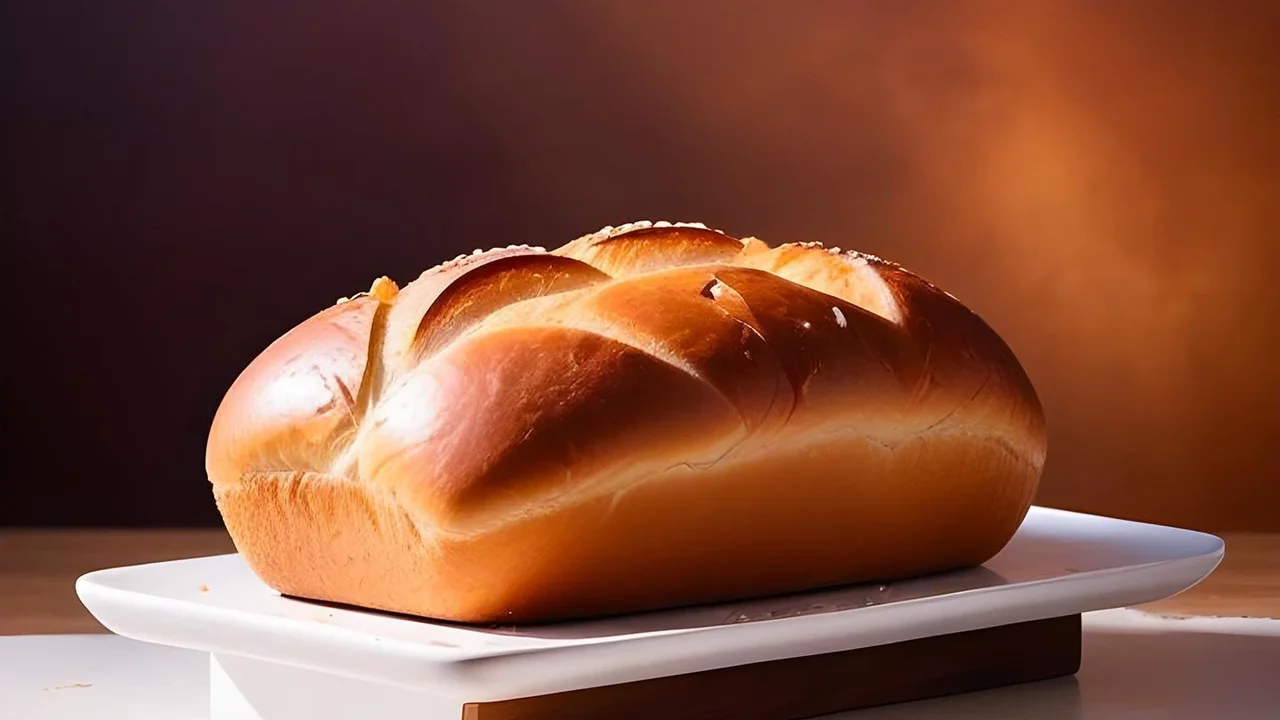
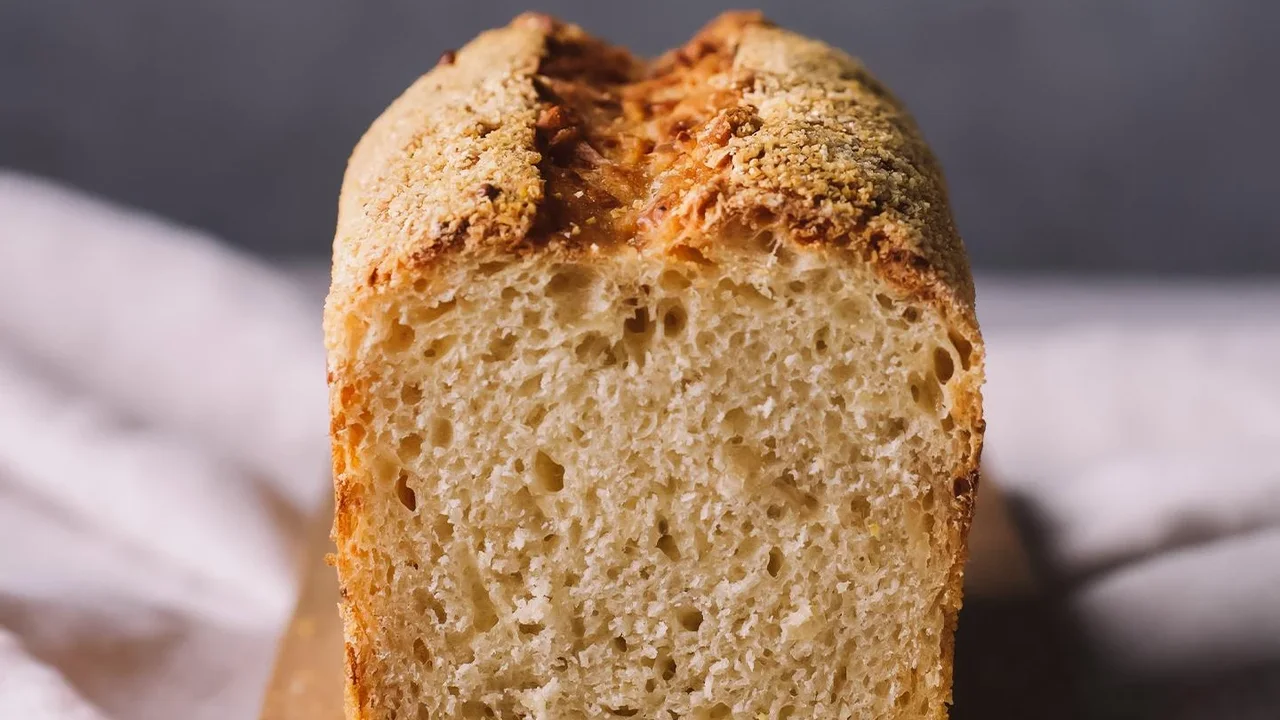
Shokupan is a type of Japanese milk bread, and its name literally translates to “eating bread” or “food bread”. This hints at its role as a delicious, everyday staple in Japan, far more common than many might assume. Unlike the sourdough or whole-wheat
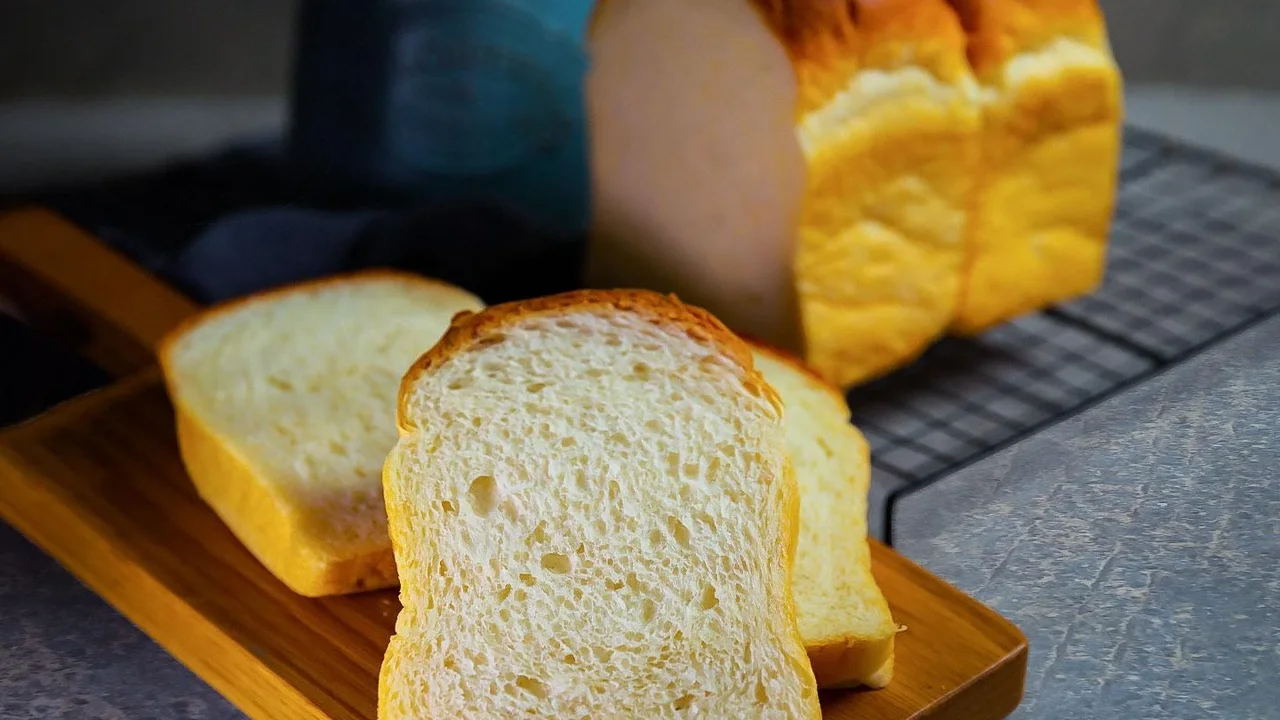
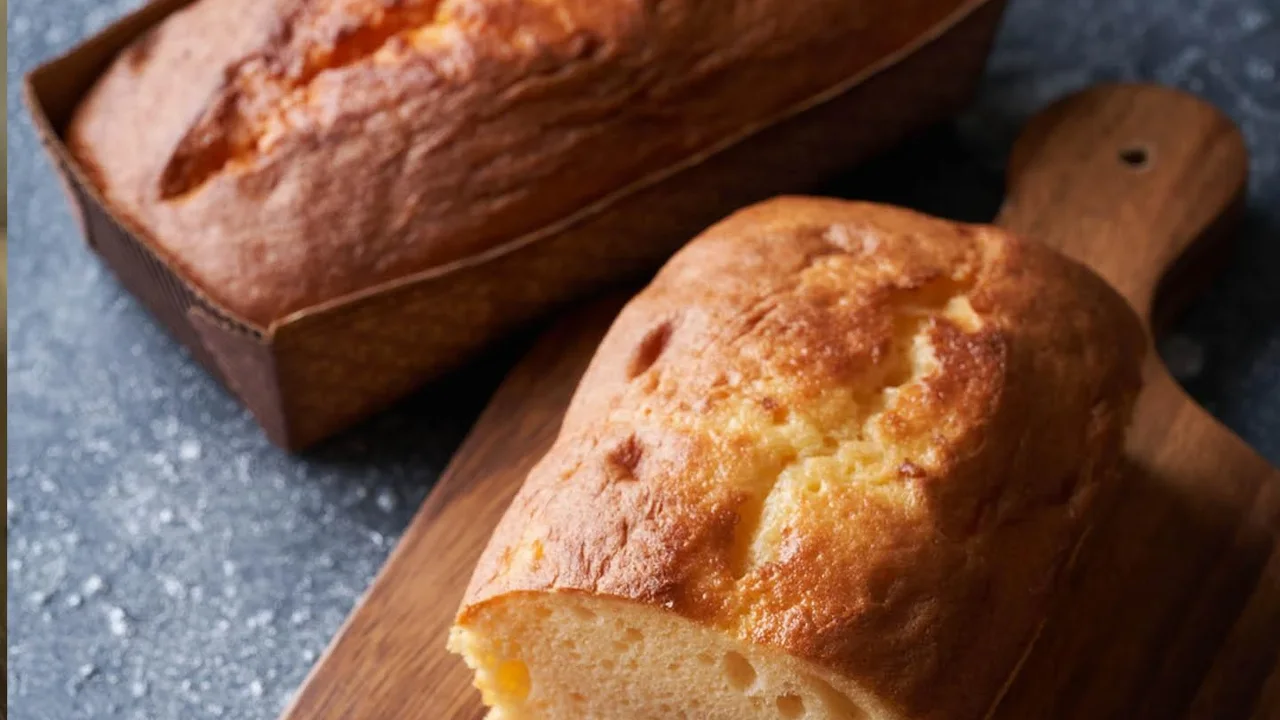
loaves that often dominate artisanal bakeries in the West, Shokupan is all about softness and a subtle, milky sweetness. It boasts a uniquely moist, dense, and delicate crumb with a chewy texture often described as “mochi-mochi”. The crust is thin and tender, providing a gentle contrast to the cloud-like interior. While it might be compared to a standard loaf of white bread, the experience is entirely different. New York Times food writer Julia Moskin once described it as a “miracle of engineering: moist but not gummy, rich but light”.
The Secret to Its Signature Softness
The magic behind Shokupan’s incredible texture lies in a special baking technique. Most recipes use either the 'tangzhong' or 'yudane' method. Both involve pre-cooking a small portion of the recipe's flour with a liquid like water or milk to create a thick paste, or roux. This process gelatinises the starches in the flour, allowing them to absorb and trap more moisture. When this paste is added to the main dough, it results in a loaf that is exceptionally soft, stays fresh for longer, and has that signature tender, slightly chewy quality. This technical step transforms simple ingredients—flour, milk, butter, yeast, salt, and sugar—into something extraordinary.
A Perfect Canvas for Creativity
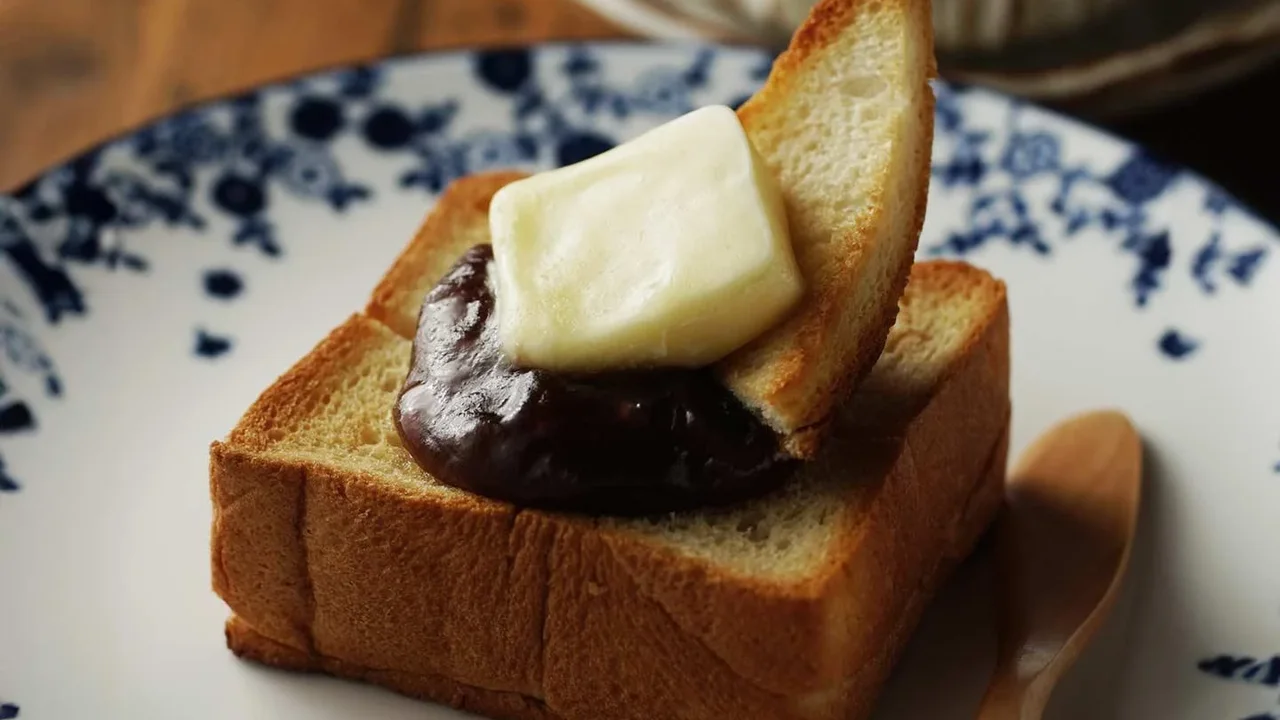
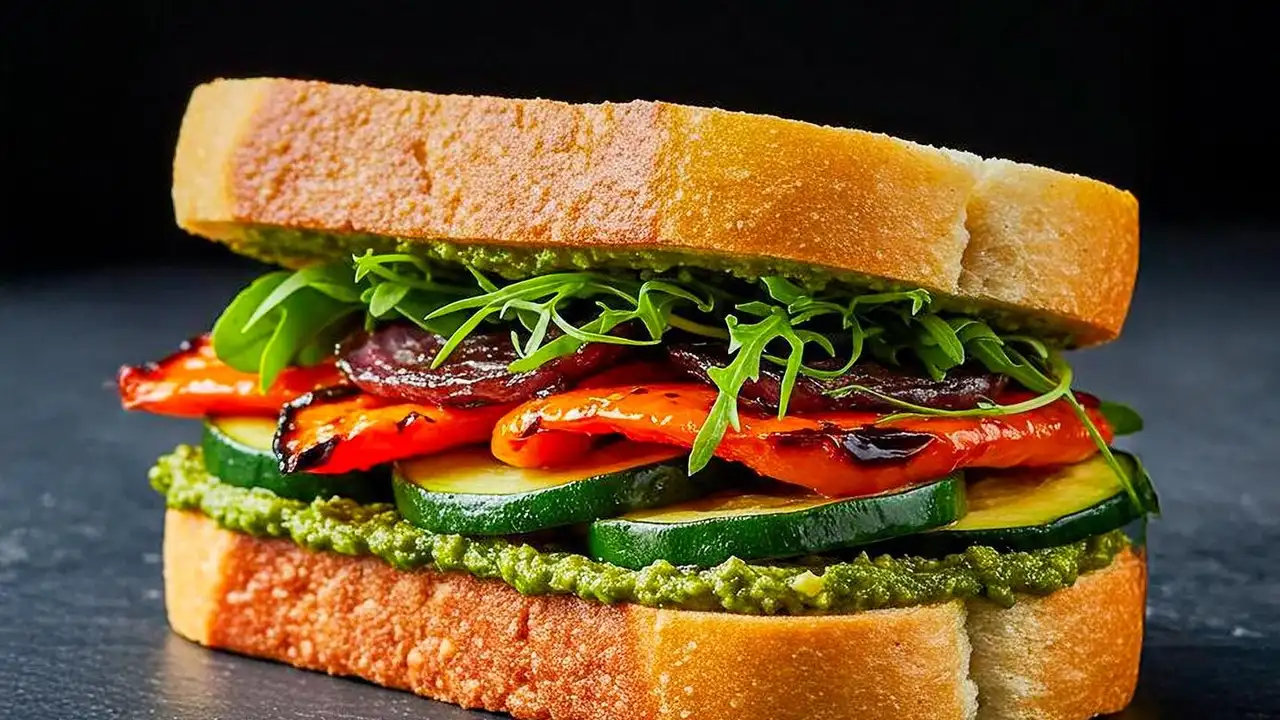
For a food creator, aesthetics are just as important as taste, and this is where Shokupan truly shines. Its clean, square shape and pristine white crumb make it a beautiful canvas. Sliced thick, it provides the perfect, uniform base for everything from elaborate fruit sandos (sandwiches) to perfectly symmetrical avocado toast. The bread’s subtle sweetness complements both sweet and savoury toppings without overpowering them. It can be eaten plain, toasted, or used to make the fluffiest French toast imaginable. This versatility makes it an incredibly valuable ingredient for creators who need to generate a wide variety of visually appealing and delicious content.
The Allure of Comfort and Craft
The rise of Shokupan also taps into a broader cultural appreciation for comfort food and artisanal craftsmanship. Baking bread at home saw a massive resurgence in recent years, and Shokupan represents the next level for many hobbyists. It offers a satisfying challenge that goes beyond a simple no-knead loaf. The precision required for the yudane or tangzhong method and the satisfaction of achieving that perfect, feathery texture appeals to bakers looking to hone their skills. At a time when consumers are increasingly drawn to high-quality, thoughtfully made staples, Shokupan fits perfectly. It elevates the humble loaf of bread into a delicacy, an affordable luxury that feels both nostalgic and modern.
More Than Just a Trend
While it may seem like a recent social media darling, Shokupan has a long history in Japan, becoming a dietary staple after World War II when wheat flour and milk powder were introduced into school lunches. Its recent global popularity, however, is driven by a new generation of bakers and food lovers who share their creations online. Speciality bakeries dedicated to Shokupan are popping up worldwide, some charging premium prices for their meticulously crafted loaves. This combination of rich history, technical challenge, and incredible versatility is why it has captured the hearts of food creators. It’s a product that tells a story, showcases skill, and, most importantly, looks and tastes amazing.