








What Exactly Is Intermittent Fasting?
Before diving in, let's clarify what intermittent fasting is. It's not a diet in the traditional sense of restricting certain foods, but rather an eating pattern that cycles between periods of eating and fasting. Common methods include the 16:8 schedule,
where you fast for 16 hours and eat within an 8-hour window, or the 5:2 plan, which involves eating normally for five days and significantly reducing calories on two non-consecutive days. The focus is on when you eat, not necessarily what you eat, although a healthy diet during eating windows is always recommended for overall health.
Question 1: How Does This Fit My Social and Family Life?
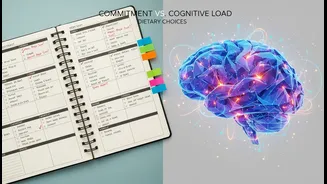
One of the most significant, yet overlooked, barriers to sticking with any dietary plan is its impact on your social life. Many social rituals revolve around food—family dinners, brunch with friends, or late-night gatherings. Research shows that social commitments are a frequently reported challenge for those practicing time-restricted eating. Before committing to an IF schedule, look at your calendar and your daily routines. Are you willing to skip late dinners or early breakfasts with loved ones? While some find that IF fosters discipline, others feel it creates social friction. A plan is only sustainable if it aligns with your life, not just for a few weeks, but for the long haul.
Question 2: What Is the Potential Mental Load?
Any new eating pattern requires mental energy. This 'mental load' involves planning meals, tracking eating windows, and managing hunger. While some studies suggest IF may lead to less conscious calorie counting compared to traditional diets, it still requires significant self-monitoring and planning, especially at the start. The constant clock-watching can feel liberating for some but restrictive and stressful for others. Ask yourself honestly: Does the structure of an eating window reduce decision fatigue for you, or does it add another layer of rules to an already busy life? Understanding your own psychological tendencies is key.
Question 3: Am I Prone to 'All-or-Nothing' Thinking?
The structure of fasting can be a double-edged sword. For some, the clear rules are helpful. For those with an 'all-or-nothing' mindset, however, it can be a setup for failure. If you break a fast an hour early, do you feel like the whole day is ruined, leading to overeating? This pattern is a known risk with restrictive diets. Dieting can disrupt natural hunger and satiety cues, making it easier to overindulge when rules are broken. It's crucial to consider if the rigidity of IF might trigger a cycle of restriction and rebound eating, which can be detrimental to both your physical and mental health.
Question 4: How Will I Handle Hunger and Energy Dips?
While many people adapt to IF and report stable energy, the initial transition period can be challenging. You might experience hunger, headaches, or fatigue as your body adjusts. Some studies note that while overall mental performance may not be significantly impaired during short fasts, some people can experience dips in performance toward the end of a fasting period. It is important to be aware of your body's signals. If you have a job that requires intense focus early in the morning or if you're someone who feels shaky or irritable when hungry, a long morning fast might be a significant hurdle to overcome. Being realistic about your ability to manage these physical sensations is crucial for adherence.
Question 5: Is This a Long-Term Solution for Me?
The most effective eating pattern is one you can stick with consistently without feeling deprived or overly stressed. While intermittent fasting can be a useful tool for weight management and may offer other health benefits, its long-term sustainability is highly individual. Some research has shown that adherence can be a challenge over time due to social and work-life conflicts. The goal shouldn't be to just follow a diet, but to build sustainable, healthy habits. Reflect on whether the principles of IF align with your personal health philosophy, lifestyle, and long-term well-being.