






Start with the Drain
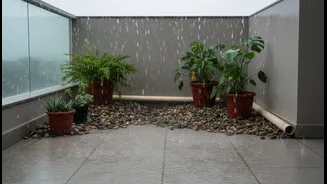
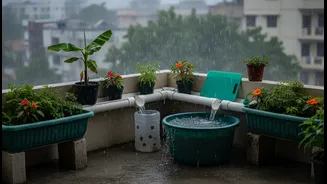
Your first and most crucial task is ensuring the existing drainage is functional. Balcony floors are designed with a slight slope leading to a drainage outlet. Over time, this drain can get clogged with leaves, soil, and debris. Before the rains arrive,
give it a thorough cleaning. Use a stiff brush and water to clear any visible blockages. If the drain cover is removable, lift it and clear out any gunk underneath. A simple, clean drain is your first line of defense and costs nothing but a little effort. A smoothly flowing drain prevents water from pooling at the source.
Elevate Everything
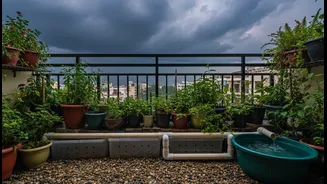
One of the simplest ways to protect your belongings and plants from a waterlogged floor is to lift them off it. Water that can flow freely underneath objects will drain or evaporate much faster. Invest in inexpensive pot stands or use bricks to raise your planters. This simple step prevents plant roots from sitting in water, a primary cause of root rot during wet seasons. For furniture, consider placing it on small risers. Even creating a simple, raised platform using a few pieces of wood can make a huge difference in keeping chair legs and tables dry and damage-free.
Install Smart, Breathable Flooring
Covering your entire balcony floor might seem expensive, but budget-friendly solutions can transform it into a quick-drying surface. Interlocking deck tiles made from plastic, wood, or composite materials are an excellent choice. These tiles snap together easily and sit on small feet, creating a gap underneath for water to drain away freely toward the outlet. This prevents puddles from forming on the walking surface. Alternatively, waterproof outdoor rugs or artificial grass mats can offer a comfortable surface while still allowing for drainage, provided the underlying slope is effective. Many options are available at affordable prices online and in home stores.
Choose Monsoon-Happy Plants
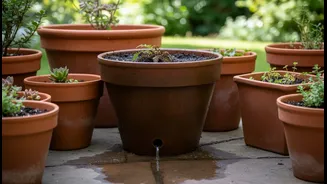
Not all plants enjoy the constant dampness of the monsoon. Some, like succulents and cacti, are prone to rotting. To keep your balcony green and thriving, choose plants that love humidity and water. Species like ferns, jasmine (mogra), colocasia (elephant ear), and spider plants flourish during this season. Ensure every pot has a drainage hole; a pot without one becomes a bucket, which is a death sentence for most plants in the rain. Also, avoid letting pots sit in saucers full of water, as this not only harms the plant but can also become a breeding ground for mosquitoes.
Create a Simple Rain Barrier
While you can't stop the rain, you can reduce the amount that blows directly onto your balcony. Affordable bamboo chicks or outdoor blinds made from waterproof materials like PVC can be installed to shield your space from heavy downpours and angled showers. These can be rolled up or down as needed, offering flexibility. Even a strategically placed waterproof tarp, secured properly, can act as a temporary shield during the heaviest storms, protecting more sensitive plants and furniture from getting drenched.
Seal the Small Cracks
Take a close look at your balcony floor and the junction where the floor meets the wall. Over time, tiny hairline cracks can appear in the tiles, grout, or concrete. While they may seem harmless, water can seep into these cracks, leading to bigger problems. For a low-cost fix, you can purchase a tube of clear, waterproof silicone sealant or a specialised crack-filling compound. Clean the area thoroughly, let it dry, and then apply the sealant as directed. This small preventative measure can stop minor leaks from becoming major headaches.