

Your Gateway to the Cosmos
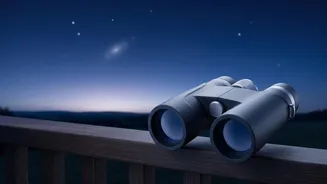
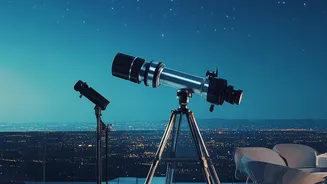
Many aspiring stargazers believe a powerful telescope is the only way to see celestial details, but for beginners, binoculars are often better. They are portable, affordable, and require no complicated setup. Perhaps their biggest advantage is the wide
field of view, which makes finding objects in the vastness of space much easier. Unlike a telescope that shows a tiny, magnified patch of sky, binoculars offer a broader perspective, helping you appreciate the Moon or a planet in the context of its surrounding stars. This makes them the perfect tool to build your confidence and familiarity with the night sky.
Choosing Your Celestial Window
When picking binoculars for stargazing, you'll see two numbers, such as 7x50 or 10x50. The first number is the magnification (7x or 10x), and the second is the diameter of the large front lenses in millimetres. For astronomy, a magnification of 7x or 10x is ideal. The larger second number means the lenses gather more light, resulting in a brighter, clearer image—crucial for viewing faint objects. A pair of 10x50 binoculars is often considered the sweet spot for beginners, offering a great balance of power and brightness without being too heavy to hold steady.
A Tour of the Lunar Landscape
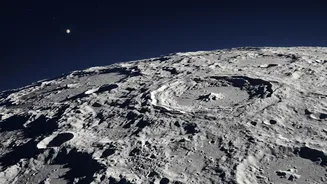
The Moon is the most rewarding target for binocular astronomy. The best time to observe it is not when it's full and overwhelmingly bright, but during its partial phases (crescent, quarter, or gibbous). Look along the 'terminator'—the line dividing the sunlit and dark parts of the Moon. Here, low-angled sunlight casts long, dramatic shadows that make craters and mountains pop with three-dimensional detail. With a standard pair of binoculars, you can easily spot prominent craters. Look for Tycho, a bright crater in the southern highlands famous for its stunning ray system, and Copernicus, a magnificent crater near the terminator during the first quarter phase. Even the vast, dark lava plains, known as 'maria' or seas, like Mare Crisium (Sea of Crises), are clearly visible.
Jupiter and Autumn's Other Jewels
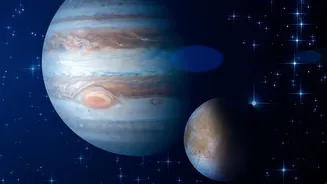
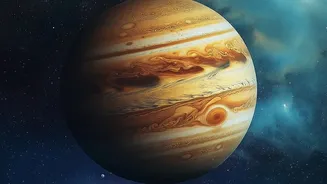
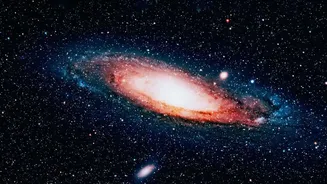
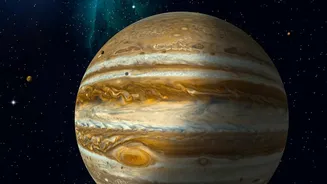
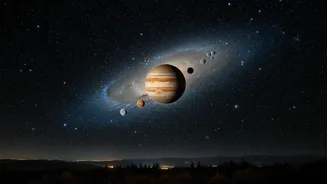
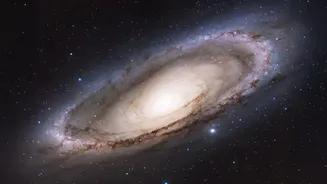
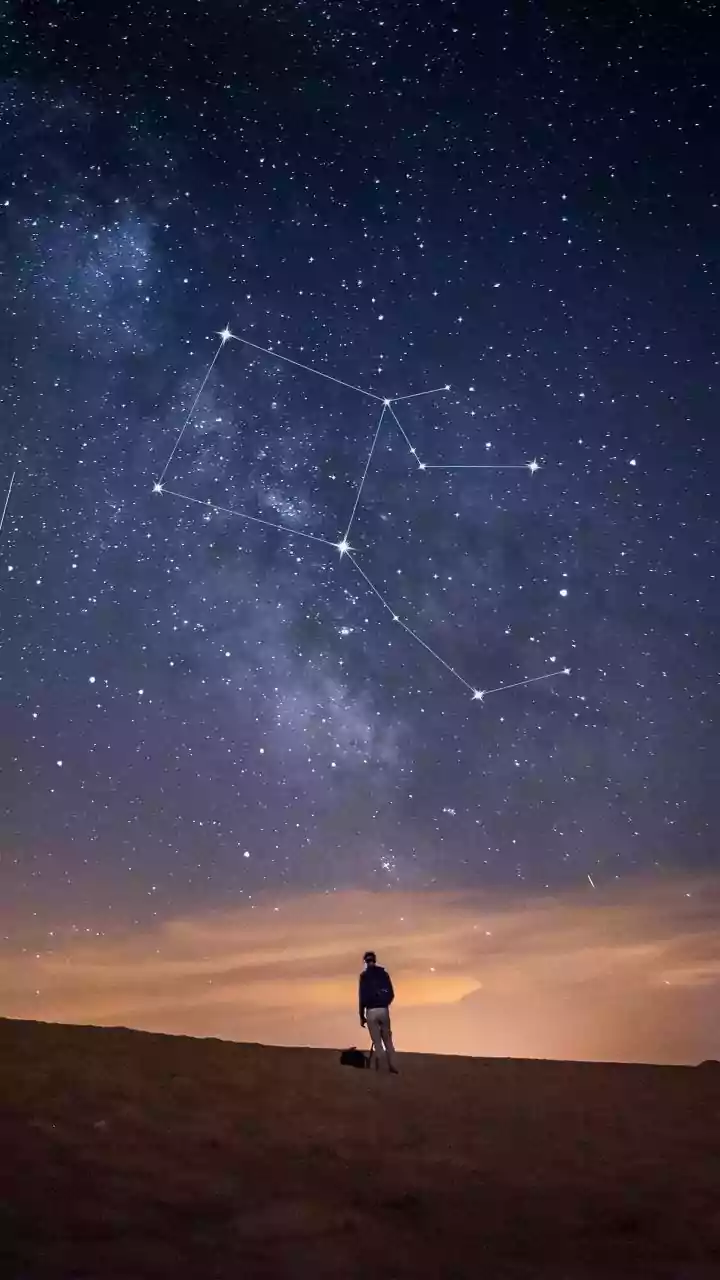
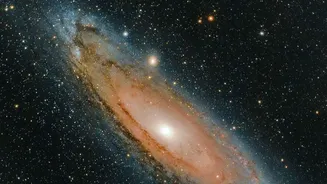
This autumn, Jupiter is a brilliant highlight in the night sky. The giant planet will be bright and easily visible, outshining all the stars around it. What's truly amazing is that even with basic 7x or 10x binoculars, you can glimpse its four largest moons—Io, Europa, Ganymede, and Callisto. They appear as tiny, star-like points of light in a neat line on either side of the planet. Watching them change their positions from one night to the next is a fascinating experience that illustrates the dynamic nature of our solar system. Beyond Jupiter, autumn skies offer other binocular-friendly treats. The Pleiades star cluster, also known as the Seven Sisters, is a breathtaking sight, appearing as a small, shimmering dipper-shaped group of stars. The Andromeda Galaxy, the most distant object visible to the naked eye, can be spotted with binoculars from a dark location as a faint, fuzzy patch of light.
Tips for a Perfect Night Out
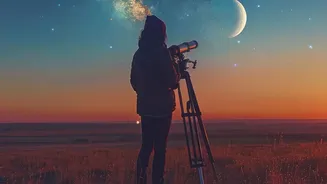
To get the most out of your stargazing session, a little preparation goes a long way. First, find a location away from direct city lights. Give your eyes about 15-20 minutes to adapt to the darkness; this will dramatically increase what you can see. When observing, try to keep the binoculars as steady as possible. Even small hand-shakes can blur the view. You can brace your elbows on a wall, a car roof, or invest in a simple tripod for a perfectly stable image. Finally, be patient. Take your time scanning the Moon's surface or searching for Jupiter's moons. The longer you look, the more details will begin to emerge.