








An Economic Powerhouse in Numbers
To understand tourism's role, we must look past postcards and see it as a critical pillar of the Indian economy. In 2025, the sector contributed a staggering $178 billion to the nation's GDP. Projections show this is not a temporary rebound but a sustained
growth trajectory. More importantly, this economic activity translates directly into livelihoods. In 2026, the industry supports an estimated 4.5 crore people through direct and indirect employment. The government has taken note, with the Union Minister for Tourism recently stating a target to increase the sector's contribution to the national economy to 10 percent by 2047, recognising its potential to create jobs on a massive scale, second only to agriculture. This isn't just about big numbers; it's about decentralised economic growth that reaches local communities directly.
The Hidden Workforce: Jobs You Haven't Considered
The true depth of tourism as a jobs engine is revealed when we look beyond the front desk and the flight cabin. A complex ecosystem of professionals works behind the scenes to create seamless travel experiences. This hidden workforce includes digital architects who build the apps we use to book trips, data analysts who predict travel trends, and digital marketers who build the online presence of destinations. There are also the business brains: revenue managers who strategise pricing for hotel chains and destination planners who advise governments on sustainable development. As travellers seek more authentic experiences, new roles continue to emerge. Adventure tour operators curate thrilling expeditions, wellness experts manage serene spa retreats, and sustainability consultants help resorts minimise their environmental impact. These roles require specialised skills and offer dynamic career paths that are a world away from the conventional image of a tourism job.
The Multiplier Effect in Action
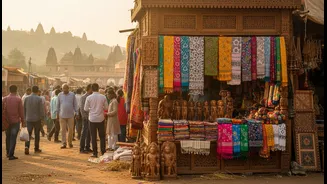
One of the most significant aspects of tourism is its powerful multiplier effect. For every direct job created—like a hotel manager or a tour guide—several other indirect jobs are generated across a vast supply chain. Consider a single tourist's journey. The money they spend on a locally-made handicraft supports an artisan's family. The meal they eat at a restaurant creates demand for produce from a local farmer. The taxi they hire provides income for the driver and supports the vehicle maintenance industry. This ripple effect means that revenue from tourism doesn't just stay within large corporations; it spreads throughout communities, supporting small businesses and generating livelihoods in sectors from transport and logistics to food production and retail. This intricate web of economic dependency is what makes tourism such a potent tool for inclusive, grassroots-level development.
Fuelling Growth with Policy and Skill
The Indian government is actively working to harness this potential. Initiatives like the Swadesh Darshan 2.0 scheme are designed to develop sustainable and responsible tourist destinations, creating infrastructure and local employment opportunities. The PRASHAD scheme focuses on upgrading pilgrimage sites, which are a cornerstone of domestic tourism. Recognising that a skilled workforce is essential, the government has allocated significant funds for skill development in the tourism and hospitality sectors. Programs like the 'Hunar Se Rozgar Tak' initiative provide short-term hospitality training to youth, while the Incredible India Tourist Facilitator (IITF) Certification Programme aims to create a pool of professional, certified guides. These concerted efforts are aimed at not only boosting tourist numbers but also ensuring that the benefits of this growth are shared widely by creating a well-trained and diverse workforce ready for the future.