







Why August Pruning Matters
In many parts of India, August sits in the heart of the monsoon season. The combination of moisture, humidity, and warmth encourages rapid, sometimes chaotic, growth in many plants. Pruning now isn't about a harsh cutback; it's a thoughtful process of shaping
and tidying. By trimming this month, you channel the plant's energy, which is currently high. This helps control its size, improve air circulation to prevent fungal diseases common in damp weather, and encourage a new flush of growth or flowers before the season changes. Wounds also tend to heal quickly in the active growing conditions of the monsoon.
Flowering Shrubs to Shape Now
Many popular Indian garden shrubs benefit from a mid-monsoon trim. Hibiscus, for instance, can become leggy. Pruning encourages the bushy growth that leads to more flowers. Likewise, bougainvillea, which can grow wildly during the rains, can be shaped to maintain its structure and encourage the next vibrant display of bracts. Fragrant stars like jasmine (Mogra) also respond well to a light trim after a flowering cycle, which helps manage the vine and promotes future blooms. The key is to remove spent flowers, weak or crossing branches, and gently shape the plant without removing more than a third of its overall mass.
A Light Hand with Fruit Trees
August is an ideal time for the summer pruning of stone fruit trees like peaches, plums, and cherries. Pruning these varieties in summer, after harvesting, is crucial because it helps avoid fungal and bacterial diseases that can enter pruning cuts during the cold, damp winter. The goal is to improve light penetration and airflow through the canopy by removing dead, damaged, or crossing branches. For trained fruit trees, such as espaliers, summer pruning involves cutting back side shoots to encourage the development of fruiting spurs for the following years. However, this should be a light trim, not a hard structural prune, which is best left for the dormant season.
Taming Herbs and Perennials
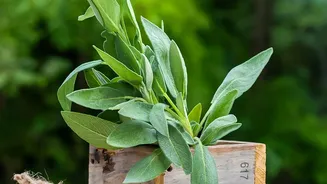
The monsoon can make kitchen herbs and perennial plants bolt or become leggy. August is the perfect time to give them a much-needed haircut. Herbs like holy basil (tulsi) and mint can be trimmed back to encourage bushier, more productive plants. Perennials that have finished their first major bloom can be deadheaded or cut back by about a third. This tidies the garden and can often stimulate a second, later flush of flowers before the season ends. For plants like salvia or garden phlox, trimming spent flower stems back to a point where you see a new bud can prolong the blooming period.
What to Avoid Pruning This Month
Just as important as knowing what to prune is knowing what to leave alone. Avoid heavy pruning of most shrubs, especially those that bloom in the spring. Many spring-flowering plants, such as certain varieties of azalea and rhododendron, have already set their flower buds for next year. Pruning them now would mean sacrificing next spring's floral display. A general rule is to prune spring-blooming shrubs right after they finish flowering. For any plant, avoid cutting into old, hard wood that has no leaves, as it may struggle to produce new growth from that point.