

A Tradition Rooted in Culture and Commerce
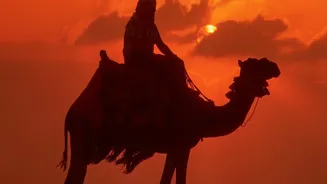
The Pushkar Mela is one of the world's largest camel fairs, a centuries-old tradition that blends livestock trading with cultural celebration. For generations, herders from across Rajasthan have walked their camels, horses, and cattle to this spot in the Thar
Desert for a week of brisk trade. The fair's first few days, from November 17 to 20, are dedicated to this bustling, unfiltered commerce, where deals are struck over cups of chai in the early morning mist. But this is more than a marketplace. The event is timed to coincide with Kartik Purnima, a holy full moon, transforming the entire town into a site of immense spiritual significance.
The Canvas of the Camel
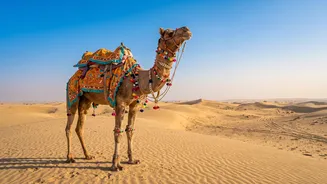
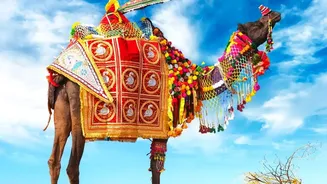
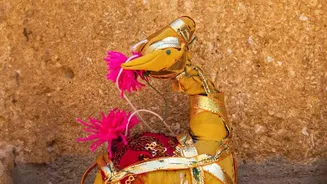
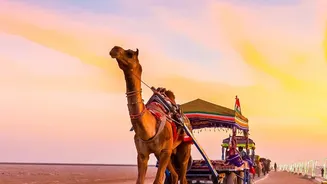
What truly captures the imagination are the camels themselves, turned into living canvases by their owners. These majestic animals, central to desert life, are groomed and adorned with a spectacular array of decorations. Think vibrant, mirror-work blankets, colourful pom-poms, intricate beaded necklaces, and jingling silver bells. Some owners even shave elaborate patterns into their camels' coats, a unique form of artistry showcasing familial and community pride. These decorations are not just for show; they are part of fiercely contested beauty pageants held during the fair, where camels are judged on their appearance, adornments, and overall poise.
More Than Just a Beauty Pageant
While the 'Gorbandh' (camel decoration) pageant is a major draw, the fair's official programme is packed with other exciting competitions. The Mela Ground comes alive with camel races that draw cheering crowds, and even camel dance competitions that highlight the unique bond between the animals and their handlers. Beyond the camel-centric events, the fair hosts a variety of traditional rural sports and amusing contests. You can witness a tug-of-war, often pitting locals against international visitors, the famous 'longest moustache' competition, and turban-tying contests that celebrate Rajasthani heritage.
Where the Spiritual and the Spectacle Meet
As the trading winds down around November 23, the fair's focus shifts towards its spiritual core. Pilgrims flock to the town, which is home to one of the world's only temples dedicated to Lord Brahma, the creator in Hindu mythology. The atmosphere builds towards Kartik Purnima on November 24, the final day of the fair. Thousands gather at the 52 ghats surrounding the sacred Pushkar Lake for a holy dip, a ritual believed to cleanse sins and bestow blessings. In the evenings, the ghats glow with the light of thousands of floating oil lamps during the 'Maha Aarti', a mesmerising prayer ceremony that fills the air with chants and incense.
An Unforgettable Experience
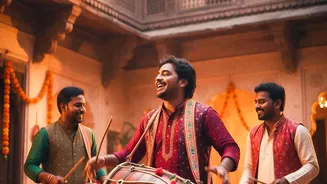
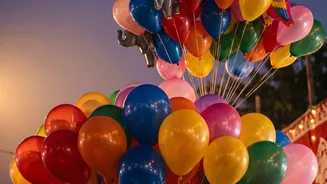
To be at the Pushkar Mela is to immerse yourself in a sensory spectacle. The sounds of folk music, the aroma of traditional Rajasthani food, and the sight of hot-air balloons floating over the dunes at sunrise create an unforgettable backdrop. It is two festivals layered on top of each other: a chaotic, ancient livestock market and a deeply spiritual gathering. Visitors can wander through bustling bazaars selling silver jewellery and leather goods, watch Kalbelia and Ghoomar folk dances, or simply find a spot to watch the endless parade of humanity. It’s a place where every corner holds a story, a photograph, and a piece of living history.