



Dal Makhani
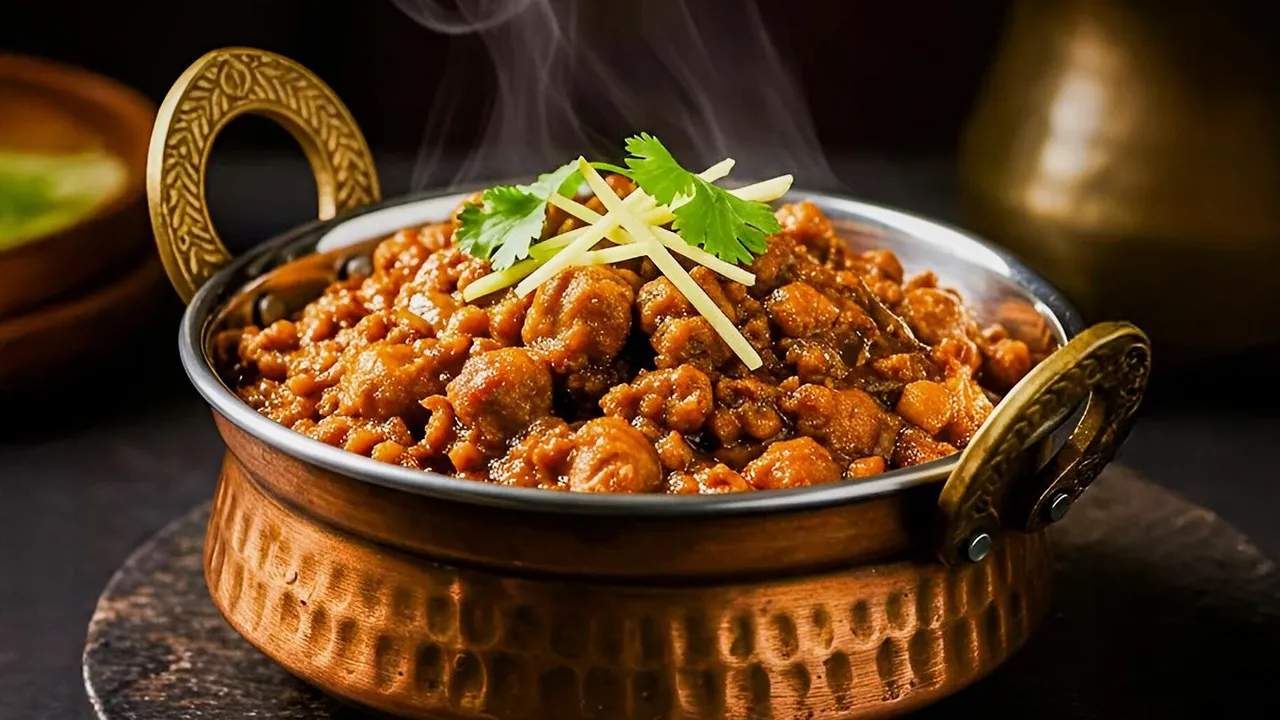
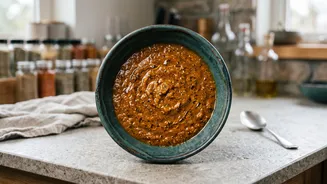
This queen of dals, a slow-cooked blend of black lentils and kidney beans, is famously better a day later. The magic lies in its creaminess and depth. Overnight, the starches from the lentils continue to break down, creating an even more velvety texture.
The smoky notes, often from a charcoal infusion (the 'dhungar' method), and the subtle warmth of the spices have more time to permeate the entire dish, creating a more unified and luxurious flavour profile. The initial sharpness of tomatoes and ginger mellows, allowing the rich, earthy taste of the lentils to shine through, perfectly balanced by the fat from the butter and cream.
Rajma Masala
Much like its lentil-based cousin, Rajma benefits immensely from an overnight rest. Kidney beans, even when cooked until tender, are like sponges that need time to absorb flavour. When left to sit, the beans soak up the spiced tomato and onion gravy, ensuring every bite is flavourful, not just the sauce around it. The consistency of the gravy also improves, thickening naturally as the beans absorb moisture. This process results in a dish that is richer, darker, and more deeply satisfying than when it was first cooked.
Biryani
Whether it is made with meat or vegetables, Biryani is a masterclass in layered flavour, and time only enhances its complexity. The 'dum' cooking method traps steam and aroma, but it takes several hours for these flavours to truly marry. Overnight, the fragrant spices infused in the meat or vegetables migrate into every grain of rice. The fat from the ghee or meat continues to distribute the fat-soluble spice compounds, resulting in a more homogenous and intensely aromatic experience. The individual notes of saffron, mint, and garam masala meld into a harmonious whole, making next-day Biryani an undisputed champion of leftovers.
Sarson ka Saag
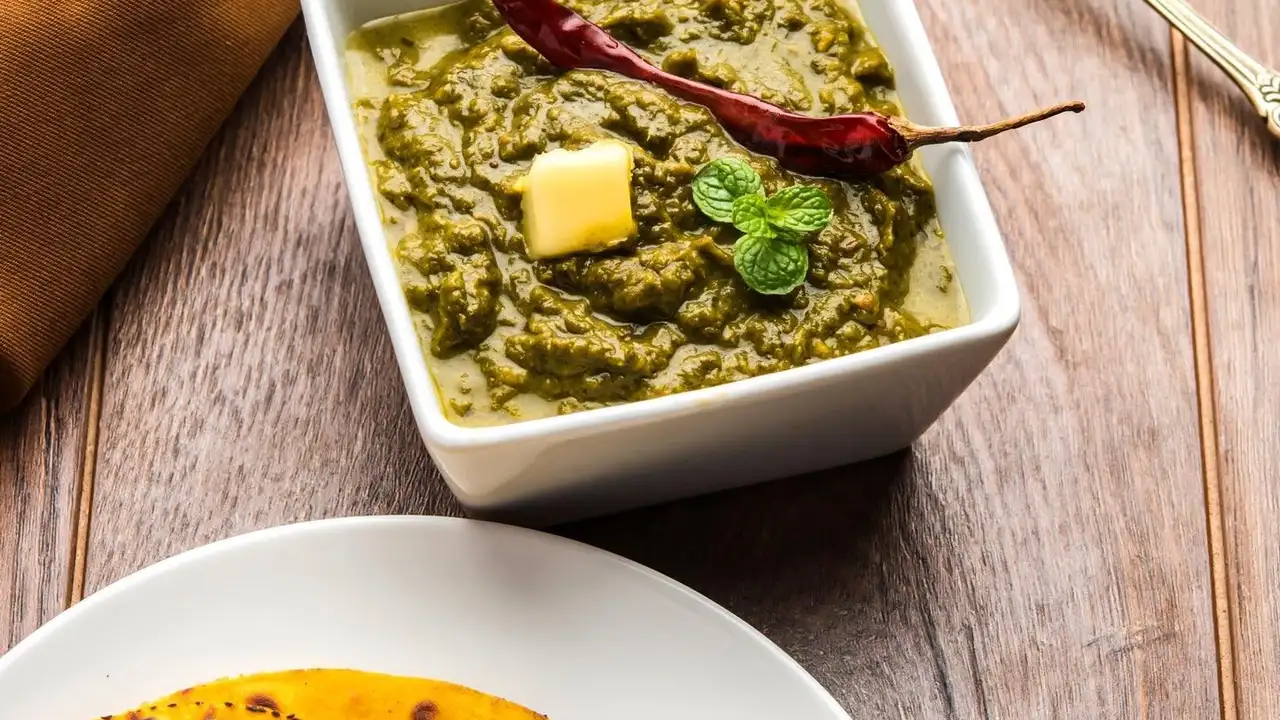
This robust winter classic from Punjab, made from mustard greens and other leafy vegetables like spinach and bathua, has a complex, slightly bitter flavour profile when fresh. An overnight rest allows these distinct flavours to mellow and integrate completely. The inherent pungency of the mustard greens softens, blending seamlessly with the earthiness of the other greens and the mellow sweetness of the cornmeal (makki ka atta) used to thicken it. The ginger, garlic, and green chillies lose their sharp bite and instead provide a warm, aromatic backbone to the dish.
Mutton Rogan Josh
Slow-cooked meat curries are prime candidates for next-day improvement, and Rogan Josh is a perfect example. The acids in the gravy, often from yoghurt and tomatoes, continue to work on the mutton, further tenderizing the meat and making it incredibly succulent. More importantly, the intricate blend of spices, particularly the aromatic fennel and the vibrant Kashmiri red chilli, has time to deeply penetrate the meat. The fat rendered from the mutton melts and re-solidifies, trapping flavour. Upon reheating, this flavour-infused fat melts back into the gravy, creating a richer, more cohesive sauce.
Fish Curry
While reheating fish can be tricky, a wellmade fish curry, especially one with a tangy base from tamarind or kokum, is often sublime the next day. The acidity in the gravy not only mellows but also continues to gently 'cook' and tenderize the fish. The flavours of coconut milk, mustard seeds, and curry leaves merge beautifully, creating a rounded and less sharp taste profile than on day one. The key is to reheat it gently on the stovetop, which helps to revive the aromas without overcooking the delicate fish, resulting in a perfectly balanced and deeply flavourful curry.
Gajar ka Halwa
Even desserts can get in on the action. This beloved winter pudding made from grated carrots, milk, sugar,
and ghee often tastes richer after a day. As the halwa cools and rests,
the carrots fully absorb the sweetened,
cardamom
-infused milk and
the nutty ghee.
The texture becomes denser
and more fudgy.
The flavours meld,
creating a more uniform sweetness
and a deeper,
more caramelized carrot taste throughout.
When reheated,
the aromas are revived,
and
the resulting dish is
a more cohesive
and comforting treat than its freshly made counterpart.