







The Sting in the Tail of the Monsoon
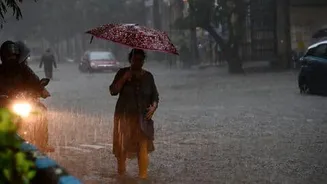
Just when you think the worst of the rain is over, a final, intense downpour arrives. According to the India Meteorological Department (IMD), the country is currently experiencing a strong weather system bringing widespread heavy rainfall. After weeks
of sustained rain, the ground is saturated, and building materials are already stressed. This makes buildings particularly vulnerable to these concluding deluges. The cumulative effect of the season means that even minor cracks or weaknesses, which went unnoticed earlier, can suddenly fail under the pressure of a short, high-intensity burst of rain. This phenomenon is why the so-called “final-day showers” of a wet spell are often responsible for some of the most surprising and damaging leaks.
Why Common Areas Are Ground Zero for Leaks
The headline’s mention of gyms, lounges, and day rooms is specific for a reason. These common areas in residential and commercial buildings are often more susceptible to water ingress. Many of these spaces are located on lower floors or in basements, making them vulnerable to waterlogging and foundation seepage. Others are adjacent to large terraces or have extensive glass facades, which are common failure points. Poorly sealed window frames, blocked drains on adjoining balconies or terraces, and cracks at the junction between walls and floors are typical entry points for water. Because these areas are shared, individual residents may not feel responsible for routine checks, leading to a breakdown in preventative maintenance.
Your Pre-emptive Checklist Against Water Damage
Before a drip becomes a flood, there are several warning signs to watch for. Taking a proactive walk through your building’s common areas can save significant trouble later. Look for discoloured patches or dark stains on ceilings and walls, which indicate trapped moisture. Peeling paint or bubbling plaster is another tell-tale sign that water is getting in. Don't ignore a persistent musty or earthy smell, as it often signals the growth of hidden mould and mildew. On the exterior, check for visible cracks in the plaster, especially around window frames and at structural joints. Also, ensure that all drainage outlets on terraces and balconies are clear of leaves, debris, and silt, as blockages are a primary cause of water overflow and seepage.
Immediate Steps When a Leak Starts
If you spot an active leak, the first priority is safety and damage limitation. If the leak is near electrical sockets, switches, or appliances, the safest course of action is to turn off the main power supply to that area to prevent electrical hazards. Move any furniture, electronics, or valuable items away from the affected area. Place buckets or containers to catch the dripping water and use old towels to contain its spread on the floor. Document the leak with photos or videos, which will be useful for insurance claims and for showing the repair professionals the extent of the problem. Most importantly, inform your building manager or Residents' Welfare Association (RWA) immediately so they can take collective action and investigate the source.
Building a Long-Term Defence
Preventing monsoon-related leaks is a year-round commitment, not just a rainy-day activity. The most effective solution is investing in high-quality waterproofing during construction or as part of a major renovation. Methods like liquid-applied membranes, polymer-modified coatings, and bituminous layers can create a seamless barrier against water penetration. For existing buildings, regular maintenance is key. RWAs should schedule professional pre-monsoon inspections of the roof, external walls, and drainage systems. This includes cleaning gutters, sealing cracks, and reapplying protective coatings where needed. Promoting community awareness about not blocking drains and reporting early signs of dampness can foster a collective responsibility for maintaining a dry and safe building for everyone.