


Srinagar to Gulmarg, Jammu and Kashmir
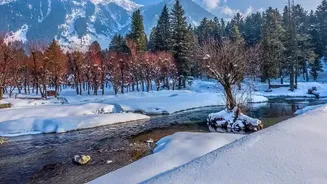
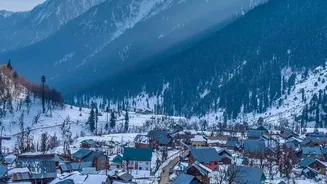
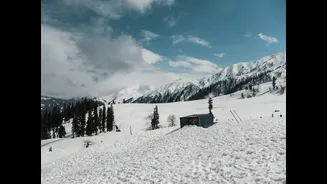
Often hailed as India's premier winter sports destination, the drive from Srinagar to Gulmarg is a journey into a fairy tale. The 50-kilometre route, which takes about two to three hours in winter, winds through valleys that are gradually blanketed in white.
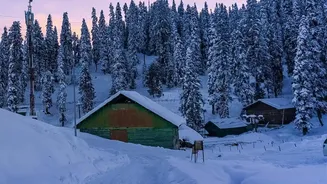
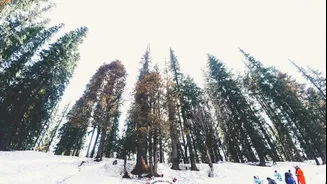
The final stretch from Tangmarg to Gulmarg is a steep, dramatic climb through dense pine and fir forests heavily laden with snow. Once there, the 'Meadow of Flowers' is a vast expanse of pristine powder snow, offering stunning views and the famous Gulmarg Gondola, one of the highest cable cars in the world. January and February are the peak months for deep snow, making it ideal for skiers and those wanting to experience a true Himalayan winter. Travellers should be prepared for icy conditions, and local authorities often mandate the use of snow chains or 4x4 vehicles on the final ascent from Tangmarg.
Manali to Solang Valley, Himachal Pradesh
For those seeking accessible snow adventures, the short drive from Manali to Solang Valley is a perfect winter highlight. Located just 14 kilometres from Manali, the journey itself is a scenic treat, following the Beas River into a valley that becomes a hub for winter activities. While the iconic Manali-Leh highway is closed during winter, the route to Solang remains a vital corridor for snow-seekers. The valley, sitting at an altitude of about 2,560 metres, reliably receives snow from December to February, turning its slopes into a playground for skiing, snowboarding, and paragliding over a white landscape. The drive can take anywhere from 30 minutes to over an hour, depending on traffic and snow conditions. For a panoramic view of the Pir Panjal range, the ropeway ride to the upper slopes is a must-do.
Guwahati to Tawang, Arunachal Pradesh
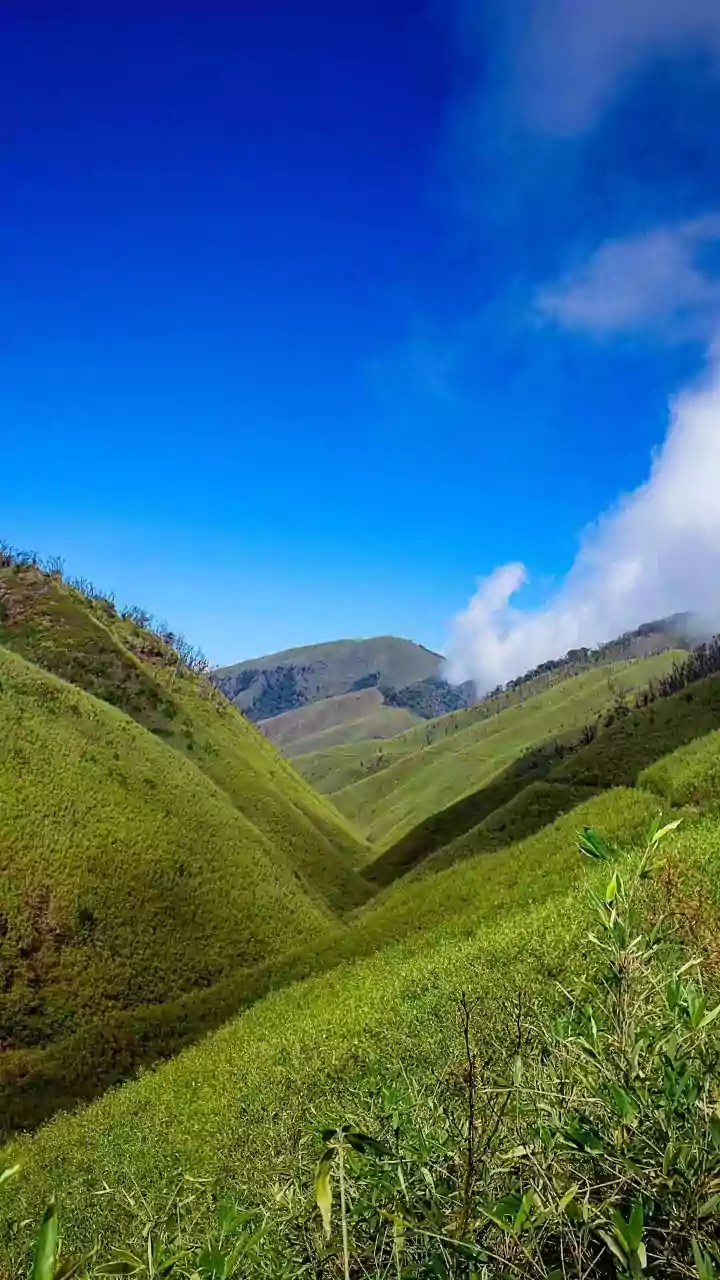
This is an epic road trip for the truly adventurous, a multi-day journey into the heart of the Eastern Himalayas. The drive, spanning roughly 450-500 kilometres, is typically broken up over two days with a stop in Dirang or Bomdila. Winter brings its own set of challenges and rewards. The route's highlight is crossing Sela Pass, which at 13,700 feet is often covered in snow from December to February. The recent opening of the Sela Tunnel has made the journey more reliable, bypassing the pass's harshest conditions and ensuring Tawang remains accessible for most of the winter. The landscape transforms dramatically from the plains of Assam to the icy, winding roads of Arunachal, offering breathtaking views of frozen lakes and snow-dusted mountains. Drivers should be cautious of black ice, especially in shaded areas and after the Sela Tunnel.
Gangtok to Zuluk, Sikkim
Tracing a part of the ancient Silk Route, the drive from Gangtok to Zuluk in East Sikkim is a journey back in time, set against a backdrop of Himalayan giants. This offbeat route is famous for the Zuluk Loops, a series of more than 30 hairpin bends that offer a dizzying and spectacular driving experience. In winter, the landscape is often covered in snow, especially in the higher reaches like Nathang Valley, also known as the 'Ladakh of the East'. A key attraction is the Thambi Viewpoint, which provides a stunning sunrise vista of the Kanchenjunga range. Because Zuluk is in a restricted area near the Indo-China border, Indian tourists require an Inner Line Permit (ILP), which can be arranged in Gangtok or at the Rongli checkpoint. While heavy snow can make access difficult, the route via Rongli often remains open, offering a serene and less-trodden path through Sikkim's winter beauty.
Munnar's Misty Drives, Kerala
Winter in South India offers a different kind of magic, swapping snow for deep mist and chilly air. The hill station of Munnar in Kerala becomes particularly atmospheric from November to February. Driving along the winding roads through its famous tea plantations is a surreal experience, with the hills often disappearing into a thick white fog. In the early mornings, temperatures in the higher elevations can dip close to zero, creating a rare frost that lightly dusts the grasslands and tea leaves, a phenomenon that draws many visitors. Scenic drives to places like Top Station, Pothamedu View Point, and along the Gap Road offer breathtaking, fog-draped vistas of the Western Ghats. It's a journey where the colours feel sharper—the vibrant green of the tea estates contrasting with the shifting white mist.