




Understanding Karat: The Gold Purity Scale
The term 'Karat,' often seen as 'K', is the unit used to measure the purity of gold. The system measures purity on a scale of 24 parts. Therefore, 24K gold is considered pure gold, comprising 24 out of 24 parts gold. In percentage terms, it is 99.9% pure.
Following this logic, 22K gold consists of 22 parts gold and 2 parts of other metals, making it 91.67% pure gold. This fineness is often stamped on Indian jewellery as '916', signifying 91.6% purity.
The Allure of 24K: Pure Gold Explained
24K gold is the purest form you can buy, boasting a rich, bright yellow colour that is unmatched. However, this purity comes with a trade-off: softness. Pure gold is highly malleable and ductile, meaning it can bend, scratch, and change shape with relative ease. Because of this, 24K gold is not practical for crafting durable jewellery, especially items intended for regular wear like rings or bangles. Its primary use is for investment purposes, typically in the form of gold bars, coins, or as a component in high-end electronics.
The Strength of 22K: Jewellery’s Gold Standard
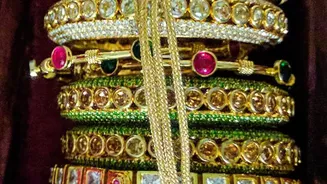
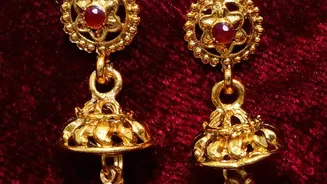
22K gold is the preferred choice for jewellery in India and many other parts of the world. It is made by mixing 91.67% pure gold with 8.33% of other metals like silver, copper, nickel, or zinc. These added metals, known as alloys, significantly increase the hardness and durability of the gold. This allows artisans to craft intricate, detailed designs that can withstand the rigours of everyday wear without easily getting damaged or deformed. While the colour might be slightly less intense than 24K gold, it offers the perfect balance of high purity and practical strength.
22K vs. 24K: Which Is Right for You?
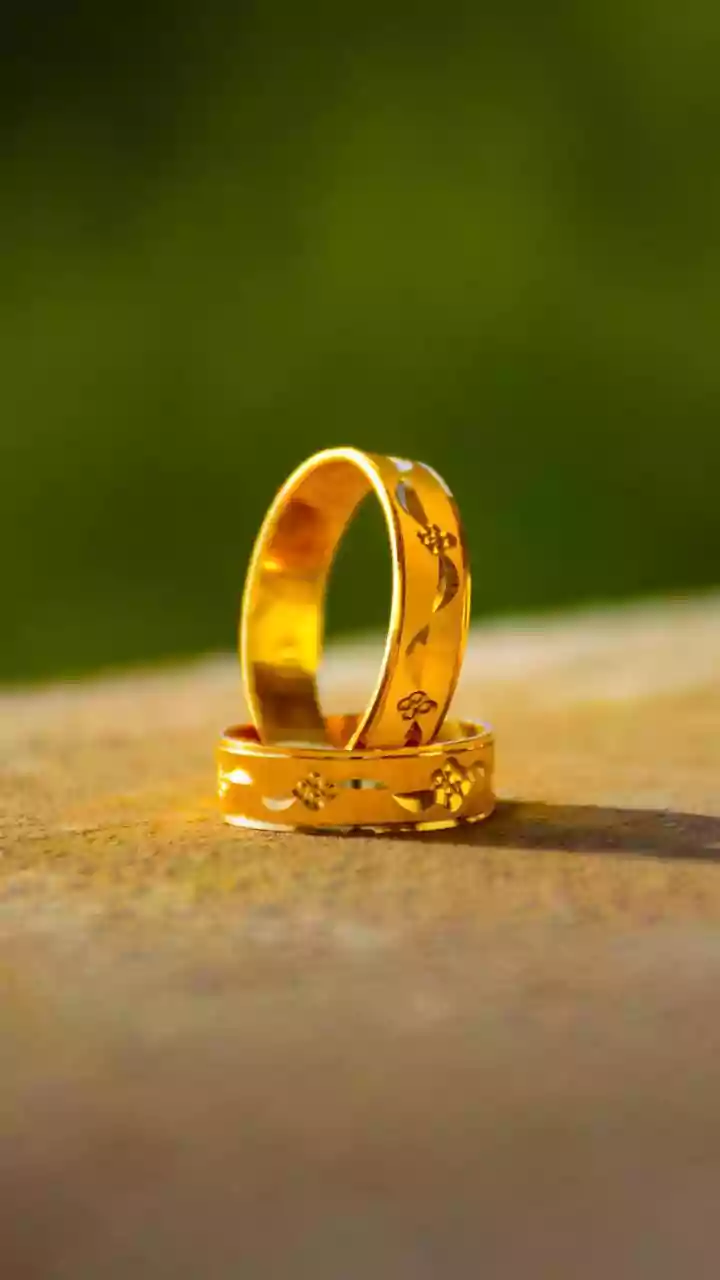
The choice between 22K and 24K gold depends entirely on its intended purpose. If you are buying gold purely as an investment to be stored in a locker, 24K coins or bars are the ideal choice due to their 99.9% purity. However, if you are purchasing jewellery to wear for weddings, festivals, or daily life, 22K gold is the far more practical and recommended option. A 24K gold ring would likely lose its shape and suffer scratches quickly, while a 22K ring is built to last. Think of it simply: 24K is for owning, while 22K is for wearing.
Beyond Karat: The Importance of the BIS Hallmark
Regardless of the karat, the most crucial detail to check on any piece of gold jewellery in India is the BIS (Bureau of Indian Standards) Hallmark. Since 2023, it has been mandatory for all gold jewellery to be hallmarked with a 6-digit alphanumeric Hallmark Unique Identification (HUID) number. This mark serves as a government-backed guarantee of purity. The hallmark should include the BIS logo, the purity grade (e.g., 22K916), and the HUID code. You can even use the BIS CARE app on your smartphone to verify the HUID in real-time at the jewellery store, confirming the item's details before you pay.
Price and Resale Considerations
Naturally, 24K gold is more expensive per gram than 22K gold due to its higher gold content. When buying jewellery, however, the total cost also includes making charges, which are the fees for the craftsmanship involved and are not recovered upon resale. For both purity types, hallmarking is essential for ensuring you get a fair price when you decide to sell or exchange the piece. A hallmarked 22K jewellery item has a transparent and trusted resale value based on its verified gold content, making it a reliable form of 'wearable wealth'.