





The Great Culinary Rediscovery
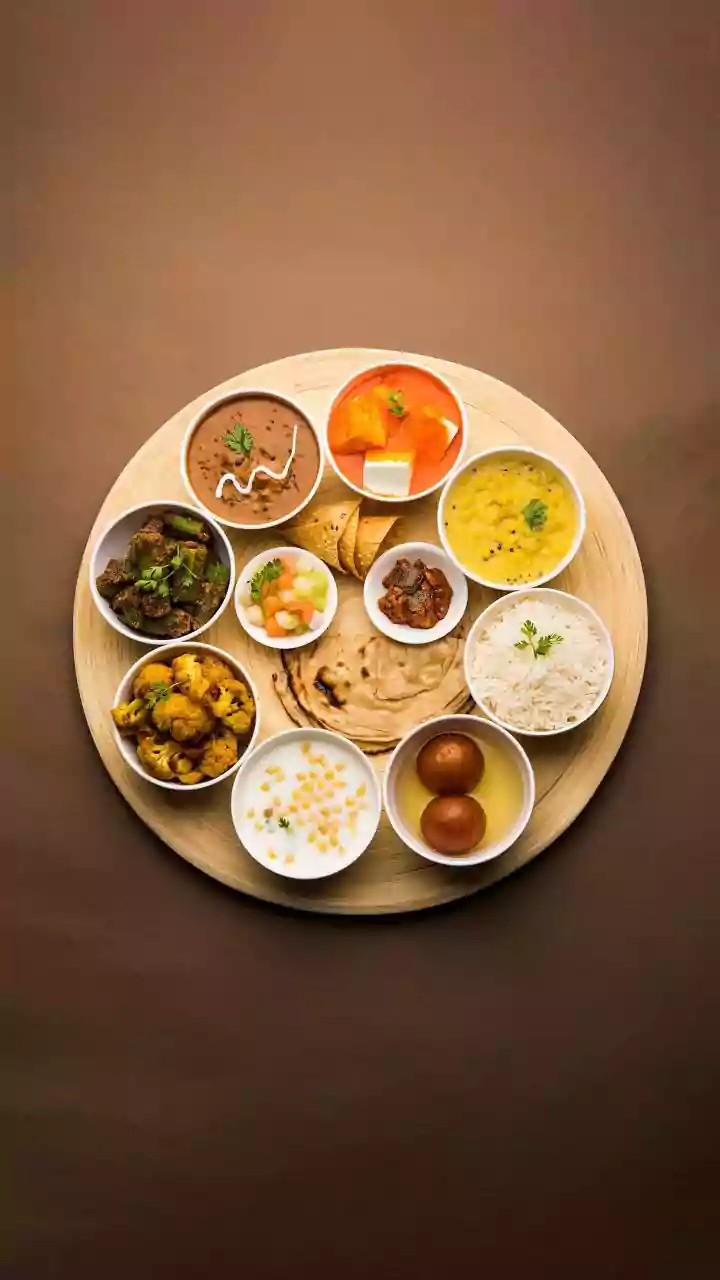
A quiet but powerful shift is reshaping how India eats. The era of a single, monolithic 'Indian cuisine' is giving way to a celebration of hyper-regional flavours. Chefs and diners alike are embarking on a journey of rediscovery, moving beyond butter
chicken and paneer tikka to explore the vast, nuanced culinary map of the country. This isn't just a trend; it's a movement towards authenticity. Experts note that diners are increasingly curious about the specific origins of their food, seeking dishes that tell a story of a particular place, community, or tradition. This has led to a renaissance of forgotten recipes and hyper-local ingredients that rarely, if ever, made it to commercial restaurant menus before.
Spotlight on the Northeast
Perhaps no region exemplifies this trend more than Northeast India. Once considered culinarily remote, its distinct food cultures are now taking centre stage. The bold, unique flavours—shaped by techniques like fermentation, smoking, and the use of foraged herbs—offer a completely different profile from mainstream Indian food. Dishes featuring ingredients like bamboo shoot, fiery Raja Mirchi, and the pungent, protein-rich fermented soybean known as 'axone' are gaining popularity. Restaurants are introducing diners to Manipuri sana thongba (a paneer curry), Mizo vawksa (smoked pork stir-fry), and the sour fish curry 'masor tenga' from Assam, celebrating a food culture built on seasonality and close ties to the land.
The Digital Storytellers
This revival is being massively amplified by social media. Platforms like Instagram have become virtual encyclopedias for regional food, where a home cook in a small village can make a local delicacy go viral overnight. Food bloggers and influencers are acting as digital preservationists, documenting disappearing dishes and introducing them to a new, curious generation of foodies. This online exposure creates real-world demand, encouraging restaurants to be more adventurous with their menus. A dish is no longer just food; it's content, a story, and a cultural artifact all in one, with hashtags connecting diners to the rich heritage behind what's on their plate.
Chefs as Culinary Archivists
Chefs are increasingly taking on the role of storytellers and historians. Many are travelling to remote parts of the country to research and unearth forgotten recipes directly from community elders. This deep dive into culinary heritage is bringing back dishes that were on the verge of disappearing. Some chefs are focusing on reviving specific preparations, like lost recipes from royal kitchens or rustic dishes traditionally made with offal that were once stigmatised. The goal is not just to cook these dishes but to preserve the techniques, ingredients, and cultural context behind them, ensuring that India's diverse culinary history continues to be a living, breathing part of its future.
A Return to Authenticity
At its heart, this trend is about connection—to heritage, to the land, and to honest flavours. Diners are showing a clear preference for food that feels genuine and comforting over dishes designed purely for social media appeal. The demand for premium, well-executed dining experiences is now expanding beyond the metros into emerging cities, where well-travelled consumers want access to these authentic culinary stories closer to home. Restaurants are responding by creating tighter, more confident menus that focus on seasonal produce and purposeful cooking. This shift indicates that diners are no longer just seeking a meal; they are seeking an experience that is both memorable and meaningful.