



The Contenders: A Tale of Two Temperatures
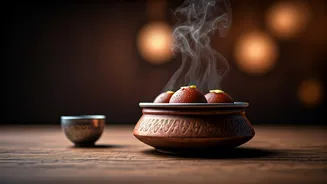
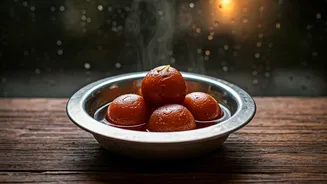
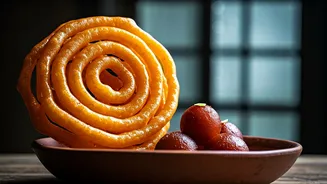
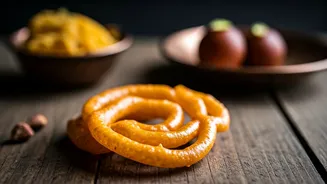
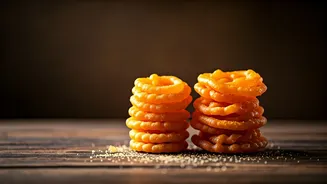
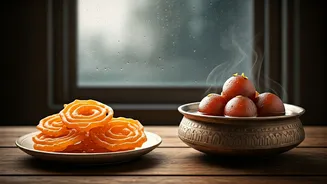
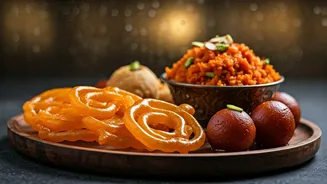
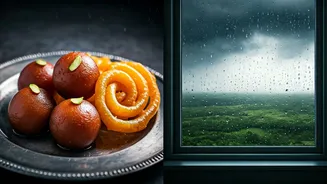
In one corner, we have the undisputed champion of warmth, the soft, syrupy sphere of joy: Gulab Jamun. Served hot, it’s a hug in a bowl, a classic favourite across the country. In the other corner, we have the challenger: hot, crispy, and tangled Jalebi,
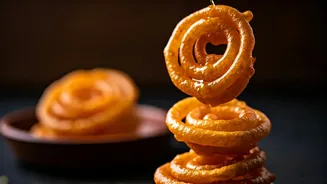
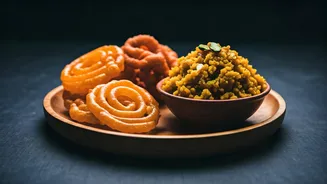
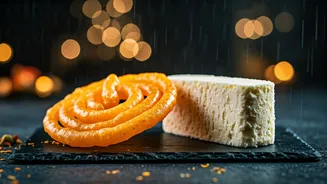
often paired with cool, creamy Rabri. It offers a delightful contrast of textures and temperatures, a perfect companion to the cool monsoon air. Both have their loyalists, and both are deeply intertwined with the season’s cravings.
In Defence of Hot Gulab Jamun
There is a special kind of bliss in savouring a steaming hot gulab jamun as the rain pours outside. Traditionally made from khoya (milk solids), kneaded into a soft dough and deep-fried to a golden brown, these balls are then soaked in a fragrant sugar syrup, often scented with rose water and cardamom. The magic lies in its texture—impossibly soft, spongy, and saturated with sweetness. Each bite is a melt-in-your-mouth experience that feels like pure indulgence. The warmth it offers is not just in temperature but in feeling, making it a perfect antidote to the damp chill of a rainy day.
The Irresistible Crunch of Jalebi
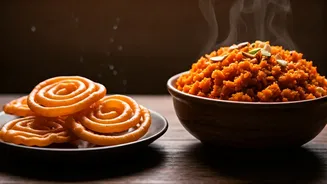
Jalebi’s appeal is a different kind of poetry. Made from a fermented batter of flour, piped in chaotic, beautiful spirals into hot oil, and then dunked in sugar syrup, its primary allure is the crunch. That initial crispy bite gives way to a chewy, syrup-filled interior. It's a sweet that engages multiple senses. While delicious on its own, jalebi ascends to a legendary status when paired with rabri—a thickened, sweetened milk. The contrast between the hot, crispy sweet and the cool, creamy rabri creates a culinary masterpiece that is both complex and deeply satisfying, a true monsoon delight.
The Regional Champion: Ghevar
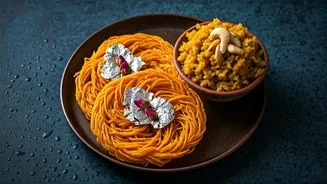
While Gulab Jamun and Jalebi vie for pan-India supremacy, no monsoon dessert discussion is complete without mentioning Ghevar, the undisputed king of Rajasthan. This disc-shaped, honeycomb-like sweet is a seasonal delicacy, prepared specifically during the monsoon months of Sawan and for festivals like Teej and Raksha Bandhan. Its preparation is an art, requiring a specific level of humidity in the air to achieve its signature porous, crispy-yet-soft texture. Made from a batter of flour and ghee and soaked in sugar syrup, Ghevar is often topped with malai, rabri, or nuts. Its exclusivity to the season makes it not just a dessert, but a cherished annual tradition.
The Final Verdict
So, which dessert wins? The truth is, there's no single winner. The choice between a warm, gooey Gulab Jamun and a crispy, complex Jalebi with Rabri often comes down to the specific craving of the moment. Do you need a comforting, warm hug in a bowl, or are you seeking a delightful play of textures and temperatures? The Gulab Jamun offers pure, unadulterated comfort. The Jalebi-Rabri combination provides a more dynamic experience. And then there's Ghevar, a special-occasion treat that reminds us of the unique culinary traditions that flourish with the rains.