






The Psychology of a Warm Home
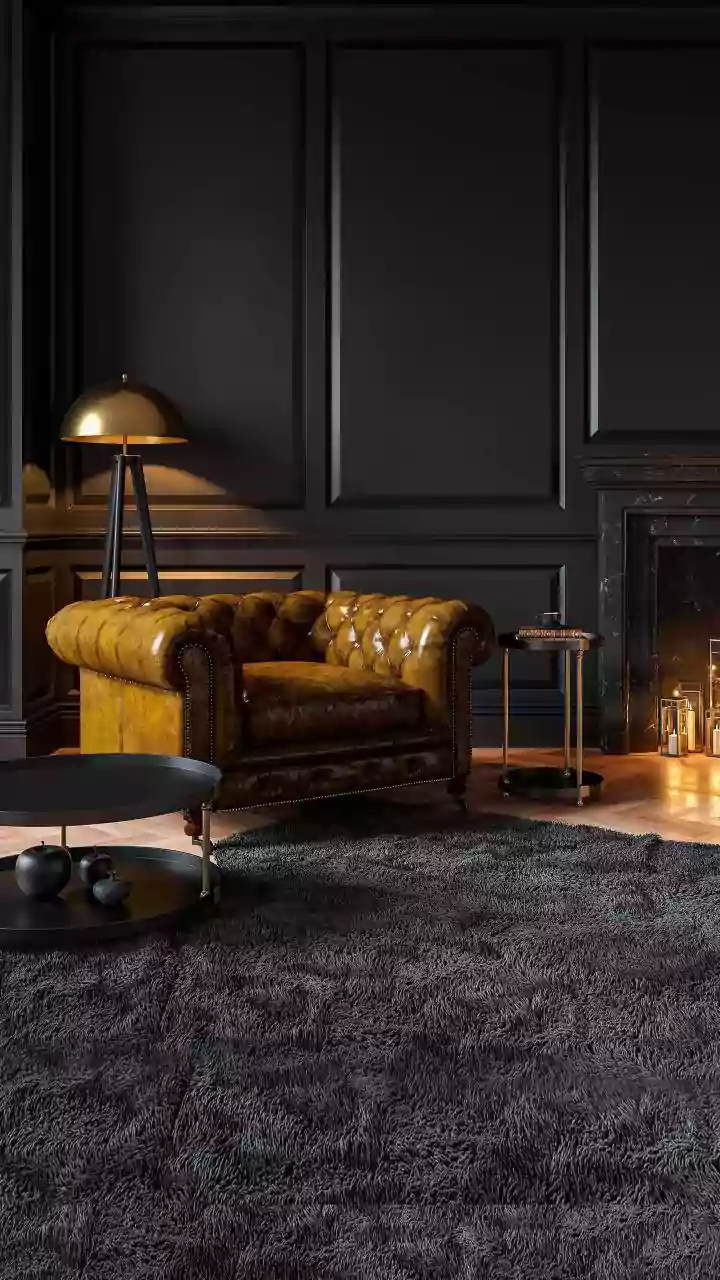
A 'cold' home is often one that feels impersonal and unwelcoming. This has less to do with the actual temperature and more to do with atmosphere. Harsh overhead lighting, empty corners, and a lack of texture can make a room feel stark. Conversely, warmth
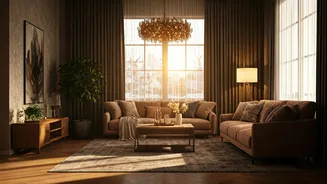
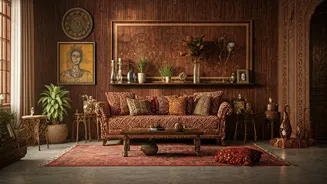
comes from elements that feel alive and personal. The concept of biophilia suggests that humans have an innate need to connect with nature. Introducing natural elements like plants can reduce stress, improve mood, and make a space feel more restorative. Similarly, lighting has a profound psychological impact; warm-toned light can make a room feel cozier and more intimate, while cool, bright light can feel clinical.
Bring Life Indoors with Greenery
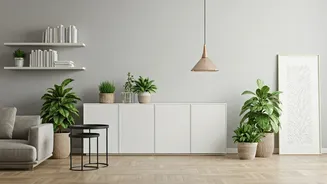
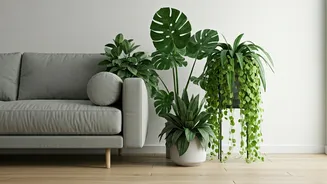
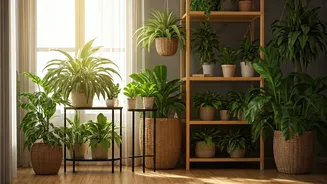
Plants are more than just decoration; they are living additions to your home that breathe life into a space. Studies show that the presence of indoor plants can lower stress levels, enhance creativity, and even purify the air. In a compact home, every object needs to earn its place, and plants do so by adding colour, texture, and a sense of vitality. They soften the hard lines of furniture and walls, making the overall environment feel gentler and more organic. Even the simple act of caring for a plant can foster a deeper connection to your home.
Best Low-Maintenance Plants for Indian Homes
You don't need a green thumb to get started. Many plants are perfectly suited to Indian indoor conditions and are remarkably forgiving. The Snake Plant, for instance, tolerates low light and infrequent watering, and it releases oxygen at night, making it perfect for bedrooms. The Money Plant (Pothos) is another classic, beloved for its resilience and beautiful trailing vines that can be draped over shelves. For a touch of elegance, the Peace Lily offers lush leaves and white blooms, thriving in shade while cleaning the air of toxins. If you have a corner with very little natural light, the hardy ZZ Plant with its glossy leaves is an excellent choice.
The Magic of Layered Lighting
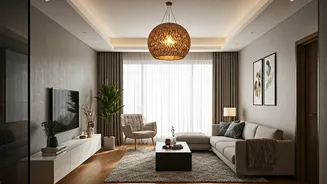
Relying on a single, harsh overhead light is a common mistake that can make a room feel flat and cold. Interior designers use a technique called 'layering' which involves combining three types of light: ambient, task, and accent. Ambient light is the general, overall illumination for a room, like a ceiling fixture. Task lighting is focused light for specific activities, such as a lamp by a reading chair. Accent lighting is used to highlight features, like a piece of art or, in this case, a beautiful plant. By using multiple light sources at different heights—a floor lamp, a table lamp, and a ceiling light—you create depth and dimension, making even a small room feel more dynamic and inviting.
Choose Your Bulb's Colour Temperature Wisely
The colour of the light itself is crucial. Light bulbs come in different 'colour temperatures,' measured in Kelvin (K). Cool, blue-toned light (above 4000K) mimics bright daylight and promotes alertness, making it suitable for kitchens or home offices but often feeling stark in living areas. To create a feeling of warmth, opt for bulbs labeled 'warm white,' which are typically in the 2700K to 3000K range. This light has a soft, yellowish glow reminiscent of sunset or candlelight, which our brains associate with relaxation and safety. Using warm-toned bulbs in your lamps and fixtures is one of the quickest and most effective ways to make a home feel cozier.
Creating Synergy Between Plants and Light
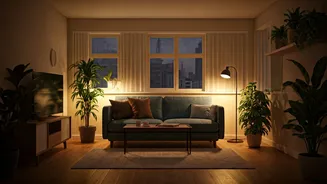
The real magic happens when you combine plants and lighting strategically. Use accent lighting to turn a plant into a living sculpture. Placing a small uplight behind a large plant, like an Areca Palm, can create dramatic shadows on the wall, adding depth and visual interest. A small, adjustable spotlight can be aimed at a collection of plants on a shelf. A table lamp placed next to a Rubber Plant will highlight the beautiful sheen of its dark leaves. This interplay not only showcases your greenery but also uses the plants to diffuse light, creating soft, gentle pools of illumination throughout the room, eliminating dark corners and enhancing the overall feeling of warmth.