



More Than Just a Trend
The hum of the loom, a sound that has echoed in India's villages for centuries, is growing louder. Once considered a fading tradition, handloom is experiencing a significant resurgence. This isn't just about nostalgia; it’s a conscious movement driven
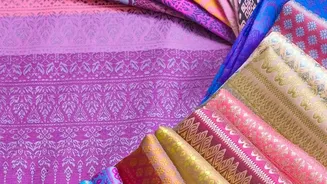
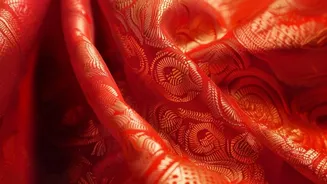
by a growing demand for sustainable, authentic, and ethically produced goods. Consumers, both in India and abroad, are increasingly looking for stories and substance in what they wear, and handloom delivers. Each handwoven piece carries the imprint of its maker and a connection to a specific region, offering an antidote to the homogeneity of fast fashion. This revival, celebrated annually on National Handloom Day on August 7th, is repositioning handloom not as a relic, but as a vibrant and relevant part of the modern wardrobe.
The New Guard of Handloom
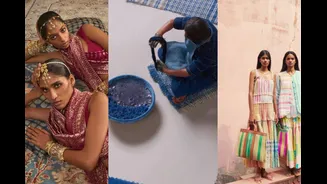
A new generation of Indian designers and labels are at the forefront of this movement, acting as crucial bridges between artisan clusters and contemporary consumers. Brands like Ekaya Banaras, Raw Mango, and 11.11 / eleven eleven are not just using handloom fabrics; they are making them the foundation of their design philosophy. They collaborate directly with weaving communities, ensuring that traditional techniques are preserved while being adapted for modern silhouettes like jackets, co-ord sets, and streetwear. This approach proves that handloom can be fashion-forward without being confined to occasion wear. The focus is on wearability, texture, and reinterpreting heritage for a global audience that values craftsmanship.
Authenticity as the New Luxury
The key to this revival's success lies in its central promise: relevance without dilution. In a market flooded with machine-made imitations, authenticity has become the ultimate luxury. This is where handloom’s inherent strengths shine. It's not competing with the power loom on price, but on craftsmanship, heritage, and sustainability. Initiatives like the India Handloom Brand and GI (Geographical Indication) tags help guarantee authenticity for consumers. Furthermore, technology like social media and e-commerce has empowered artisans and brands to tell their stories directly, showcasing the painstaking process and human skill behind every yard of fabric. This transparency builds trust and allows consumers to make informed, value-driven choices.
Overcoming Enduring Challenges
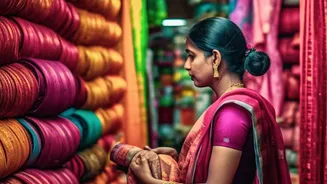
Despite the positive momentum, the path is not without its obstacles. The handloom sector, which provides livelihoods for over 3.5 million people, faces persistent challenges. These include competition from cheaper power loom products, the rising cost of raw materials like cotton and silk, and an aging workforce as younger generations often seek more stable incomes elsewhere. Government schemes like the National Handloom Development Programme (NHDP) and the Weaver MUDRA Scheme aim to provide financial support, skill development, and market access, but the structural issues run deep. Ensuring weavers receive fair wages and that the profession is seen as profitable and aspirational is crucial for its long-term survival.
Weaving a Conscious Future
Ultimately, the future of India's handloom revival is being co-created by artisans, designers, and consumers. The growing global conversation around slow fashion and ethical consumption has created a fertile ground for this resurgence. Handloom production, with its low-energy methods and reliance on natural fibres, is inherently sustainable. By choosing to invest in a handwoven piece, consumers are not just buying a garment; they are supporting a rural livelihood, preserving a priceless cultural heritage, and making a statement about the kind of fashion they want to see in the world. This synergy is what makes the current revival feel less like a fleeting trend and more like a durable and meaningful shift towards a more responsible future.