





Your Digital Toolkit for the Rains
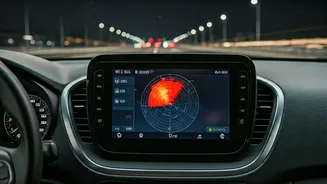
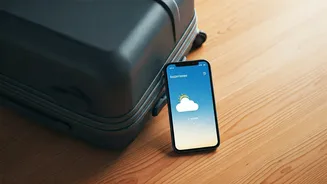
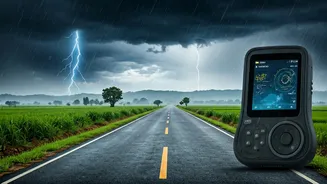
The key to a smoother monsoon commute is staying ahead of the chaos. Your smartphone is your most powerful tool. Before stepping out, consult a reliable weather app. The official 'Mausam' app from the India Meteorological Department (IMD) provides city-specific
forecasts and warnings. Apps like AccuWeather offer minute-by-minute precipitation forecasts, letting you time your departure perfectly between showers. For navigating traffic, real-time apps like Google Maps or Waze are indispensable. They provide live traffic updates and can help you avoid gridlocked areas and known waterlogging spots. Some apps, like Mappls, even offer real-time safety alerts for potholes and other road hazards, which become particularly dangerous when concealed by murky water.
Build Your Monsoon Commute Kit
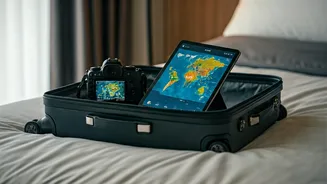
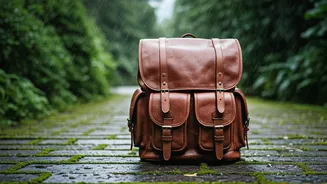
A well-prepared commuter is a happy commuter. Think beyond just a sturdy umbrella. Invest in a waterproof backpack or a reliable rain cover to protect your belongings, especially electronics. Use ziplock pouches or dry bags for your phone, wallet, and important documents. A common monsoon complaint is sitting in the office with drenched shoes; carrying a spare pair of footwear, like sandals or floaters, can be a game-changer. Also, consider packing quick-dry synthetic clothes instead of cotton, which takes ages to dry in the humid weather. A power bank is another essential, as travel delays can drain your phone's battery just when you need it most for navigation or communication.
Mastering Time and Alternative Routes
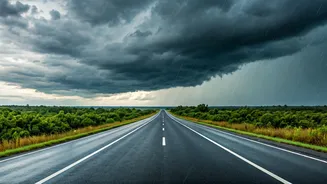
During the monsoon, your usual travel time can easily double. The simplest strategy is to leave earlier than usual, building a buffer for unexpected delays. But a smarter approach involves strategic planning. Identify two or three alternative routes to your destination before the season is in full swing. Monitor social media handles of local traffic police and municipal corporations, as they often provide real-time updates on road closures and diversions. Knowing which underpasses or low-lying areas in your city are prone to flooding can help you make smarter routing choices on the fly. Being flexible and having a Plan B, C, and D is the core of a resilient commute strategy.
Navigating Public Transport
Using public transport during the monsoon presents its own set of challenges, from leaking buses to flooded railway tracks. Live tracking apps for buses and trains become crucial for monitoring delays and cancellations. If possible, try to travel during off-peak hours to avoid the intense rush that follows a downpour. Last-mile connectivity can also be a major hurdle, as auto-rickshaws may be harder to find or may refuse fares. Having some cash on hand is wise, as digital payments could be disrupted during heavy rain. In cities like Mumbai, where local trains are a lifeline, track submergence is a frequent issue, making it vital to stay updated on the status of different lines.
Vehicle Care and Driving Safety
If you drive a car or ride a two-wheeler, a pre-monsoon check-up is non-negotiable. Ensure your tyres have adequate tread depth to provide a good grip on slippery roads. Check your brakes, as their efficiency can be compromised by water. Functioning wipers and clean windshields are critical for visibility. For bikers, lubricating the chain and protecting electrical components from water can prevent breakdowns. When on the road, the most important rule is to slow down and maintain a safe distance from the vehicle ahead. Never drive through deep, standing water, as it can damage your engine and hide dangerous potholes.