







The stunning resignation, and even more stunning reinstatement, of Nvidia CEO Jensen Huang in November 2026 has pulled back the curtain on a crisis linking personal conduct, corporate governance, and critical national security.
An Unprecedented Leadership Crisis
On November 12, Jensen Huang,
the iconic co-founder who led Nvidia for over three decades, resigned as CEO and from the board. The move came after Huang admitted to being unfaithful to his wife following reports of his personal relationships, including one with a woman US intelligence officials suspect of being a Chinese intelligence asset. The allegations suggested she was recruited to gather information and influence Huang's views on selling advanced AI chips to China. Nvidia’s board appointed CFO Colette Kress as interim CEO and Harvey Jones as its first-ever board chair, stating it had no reason to believe company secrets were compromised but would investigate.
From Personal Scandal to National Security Threat
The core of the scandal lies at the intersection of personal conduct and geopolitics. The woman at the center of the primary allegation, Alice Huang (no relation to Jensen Huang), was an executive at a Singapore-based Nvidia customer. The fear wasn't just about a personal affair, but that a high-level executive at a company central to the global AI infrastructure could be targeted by a foreign adversary. Given Nvidia’s foundational role in AI, any potential influence or information leak carries geostrategic consequences. This concern was amplified by reports of another affair with an Nvidia employee who reported directly to him, raising serious questions about his judgment and internal corporate governance. The news sent Nvidia's stock plummeting, wiping out billions in market value as investors grappled with the uncertainty.
A Stunning Reversal and Government Intervention
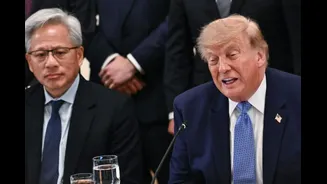
The leadership crisis took a dramatic turn on November 23 when Nvidia announced it had unanimously voted to reinstate Jensen Huang as CEO. The board, which only days earlier had stated it did not intend to bring him back, reversed its decision. This extraordinary comeback was reportedly influenced by input from senior U.S. government officials, who gave assurances that Huang's return did not pose a national security risk. President Donald Trump also publicly voiced his support for Huang's reinstatement. The board cited renewed confidence in Huang's 'candor and ability to lead' following a series of discussions.
Lingering Questions and New Safeguards
Despite Huang’s return and a massive rally in Nvidia's stock, the episode has left a lasting mark. It exposed how dependent one of the world's most critical technology companies is on a single leader, turning his personal vulnerabilities into systemic risks for the entire AI ecosystem. In response to the crisis, Nvidia has established a new National Security and Export Control Oversight Committee to oversee trade compliance and national security risks. The company also plans to hire a new Chief Compliance Officer. While the board and the U.S. government have publicly backed Huang, the scandal underscores a new reality for the tech industry: when a company becomes as strategically important as Nvidia, the conduct of its leaders is no longer just a private matter.