




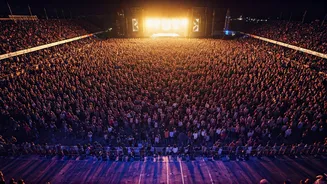


Understanding the Scale of the Spectacle
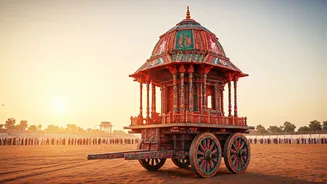
The annual Rath Yatra in Puri is one of the largest religious gatherings on Earth. With an estimated 1.5 million devotees expected to descend on the pilgrim town for the main festival on July 16, the word 'crowd' takes on a new meaning. The Grand Road,
or Bada Danda, transforms into a vibrant, pulsing river of people. Understanding this sheer scale is the first step in preparing for your visit. Authorities are deploying nearly 12,000 police personnel, along with CAPF units, and installing hundreds of CCTV cameras to manage the massive influx. This isn't just a festival; it's a temporary city, and navigating it requires foresight.
The Golden Rule: Plan to Arrive Early
The headline says it all, and it cannot be overstated. Arriving in Puri a day or two before the main chariot procession on July 16 is crucial. This strategy allows you to avoid the peak travel rush and settle into your accommodation before widespread traffic restrictions are enforced. On the day of the Yatra itself, starting for the Grand Road before dawn is highly recommended. An early start lets you find a relatively good vantage point, clear security checks with less hassle, and soak in the pre-procession rituals as the atmosphere builds. It also helps you get a feel for the layout, identifying access and exit points before they become choked with people.
Your Strategic Transport Plan
Reaching Puri during the festival is a logistical challenge that requires advance planning. The East Coast Railway is running 370 special trains to handle the rush. Similarly, the state will be doubling the number of buses plying to and from Puri, with services from Cuttack and Bhubaneswar being significantly increased. However, booking your tickets weeks, if not months, in advance is essential. If you are travelling by private vehicle, be prepared for major restrictions. Cars and tourist buses will likely be stopped at designated parking areas on the outskirts of town, such as Malatipatpur. From there, you will need to rely on shuttle services or the 450 free e-rickshaws being deployed to reach the core festival area. Expect long walks to be a part of your journey.
On the Ground: Navigating Bada Danda
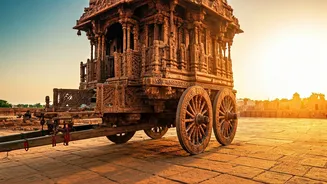
Once you are on the Grand Road, your strategy shifts from arrival to navigation. The areas closest to the three majestic chariots will be the most densely packed and prone to surges. For a safer and more comfortable experience, especially for families with children or elderly members, consider finding a spot slightly away from the main procession route. Many hotels and guesthouses along the road offer viewing packages from their balconies or rooftops, which can be a worthy investment for those who want to avoid the crush on the street. Police have established a multi-layer security cordon and will be guiding crowd flow. Follow all official instructions and be aware of designated entry and exit points. An integrated control room will monitor crowd density in real-time to prevent dangerous congestion.
Essential Packing for a Long Day
What you carry with you can make or break your day. Given the July weather, staying hydrated is paramount. While authorities will provide drinking water and ORS packets at major points, carrying your own water bottle is wise. Wear light, breathable cotton clothing and comfortable walking shoes. Pack essentials like sunscreen, a hat, any personal medications, and a portable power bank for your phone, as you will be outdoors for many hours. Travel light and avoid carrying valuables or large bags, which can be cumbersome and make you a target for pickpockets. A small backpack with the basics is all you need.
Staying Safe and Connected
In a crowd of over a million, safety is a collective and personal responsibility. If you are in a group, establish a clear meeting point in case you get separated, as mobile networks are often congested. Keep an ID with emergency contact information on you at all times. Officials have set up 30 first-aid centres and deployed numerous ambulances along the route. Be aware of their locations. The Odisha Police have urged all devotees to follow their official social media channels and traffic advisories for real-time updates on ritual timings and crowd flow, which will be crucial for avoiding bottlenecks. With a focus on preventing incidents, these proactive measures are designed to ensure a peaceful festival for everyone.