


From Pinterest Boards to Reality
Not long ago, decorating a home meant trips to furniture showrooms and flipping through catalogues. Today, it starts with a search query. Platforms like Pinterest and Instagram have become the new design consultants for millions of Indians. They offer
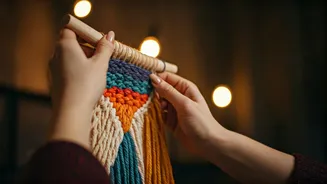
an endless scroll of inspiration, from Scandinavian minimalism to vibrant maximalism, all adaptable to an Indian context. But it’s the 'how-to' culture of YouTube and Instagram Reels that has truly democratised design. Suddenly, complex-looking projects like creating a textured art piece or transforming an old stool with chalk paint are broken down into simple, manageable steps. This visual, step-by-step guidance has demystified the process, empowering people who previously felt they lacked the 'creative gene' to pick up a paintbrush or a power tool.
The Post-Pandemic Nesting Effect
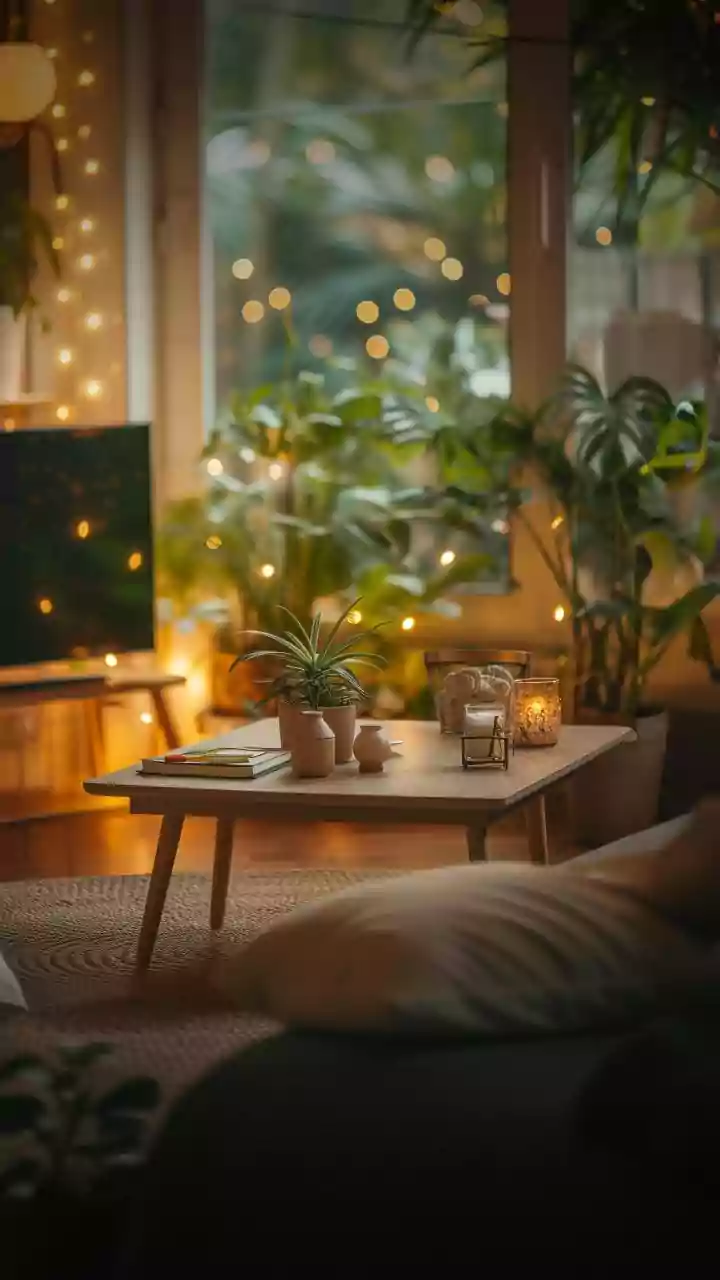
The prolonged lockdowns of recent years fundamentally changed our relationship with our homes. What was once just a place to sleep and eat became an office, a gym, a school, and a sanctuary. Staring at the same four walls day after day sparked a collective desire to make our spaces more personal, comfortable, and functional. This 'nesting' instinct fuelled a boom in home improvement. But instead of just buying new things, many chose to create them. DIY became a productive way to channel anxieties, pass the time, and gain a sense of control over one's immediate environment. The home was no longer just a backdrop to life; it became a canvas for self-expression, and people were eager to leave their personal mark on it.
An Antidote to Digital Fatigue
In a world dominated by screens and digital interactions, the tactile, hands-on nature of DIY offers a powerful form of therapy. The act of mixing colours, sanding wood, or weaving threads provides a mindful escape from the endless pings of notifications. It's a tangible process with a tangible result—a beautiful object you can see and touch. This search for authenticity is a reaction against the cookie-cutter aesthetic of mass-produced goods. A hand-painted mural, with all its charming imperfections, tells a more personal story than a generic print from a big-box store. This movement is about reclaiming individuality and creating a home that reflects not just a trend, but the personality and journey of the people who live in it.
The New Economics of Style
While high-end interior design remains expensive, the DIY culture is surprisingly accessible. The rise of e-commerce platforms and specialised online stores means that everything from chalk paint and craft supplies to DIY kits for terrazzo coasters or resin art can be delivered to your doorstep. This has created a parallel ecosystem of small businesses and creators who cater specifically to the DIY enthusiast. Furthermore, a significant part of the culture is built around upcycling and 'jugaad'—the quintessentially Indian knack for innovative repurposing. Old saris are turned into cushion covers, glass bottles become chic lamps, and tired wooden furniture gets a new lease on life with a fresh coat of paint. This makes personalising a home not only creatively fulfilling but also budget-friendly and sustainable.
A Mark of Modern Identity
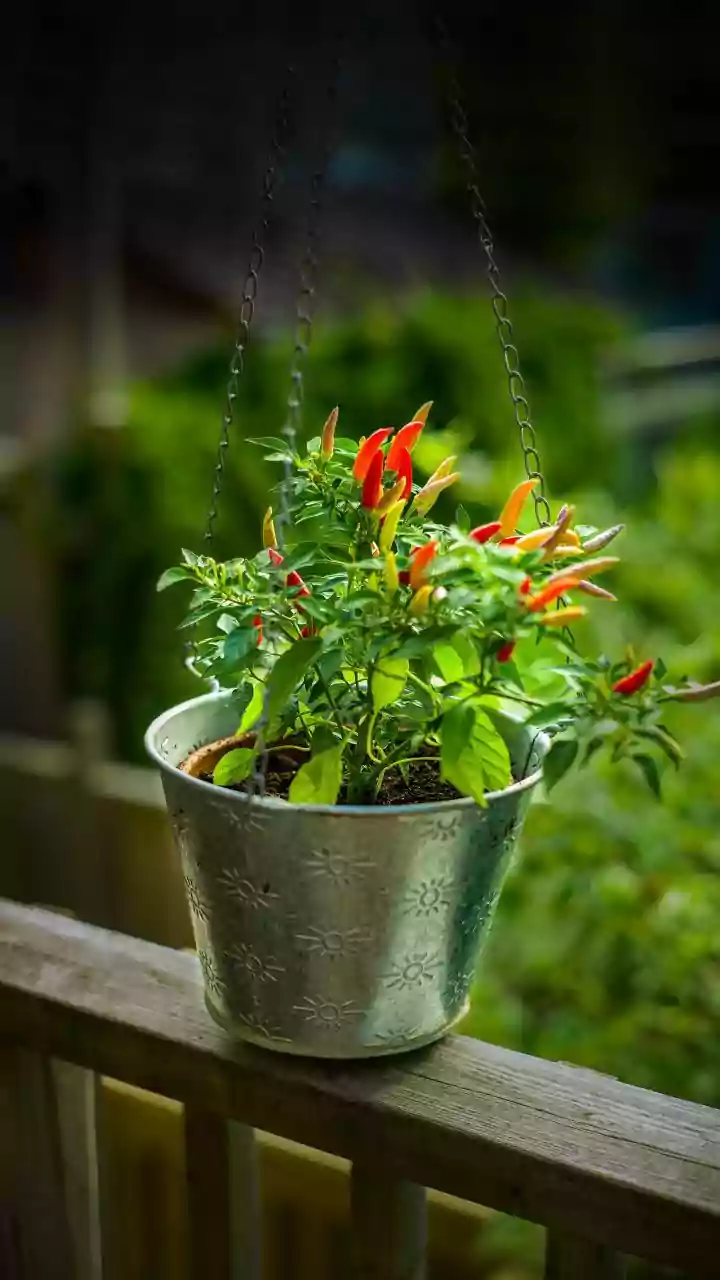
Ultimately, the expanding DIY decor culture is more than just a hobby; it’s a statement. It represents a generation of urban Indians who are confident, globally connected, and keen to craft their own identity. They are moving away from the idea that a beautiful home must be professionally designed or filled with expensive items. Instead, they are finding value in the process, the story, and the personal touch. The pride comes not from the price tag of an item, but from being able to say, 'I made that myself.' This blend of global inspiration, local resourcefulness, and a deep-seated need for personal expression is what’s reshaping the aesthetic of the modern Indian home, one hand-painted pot at a time.