



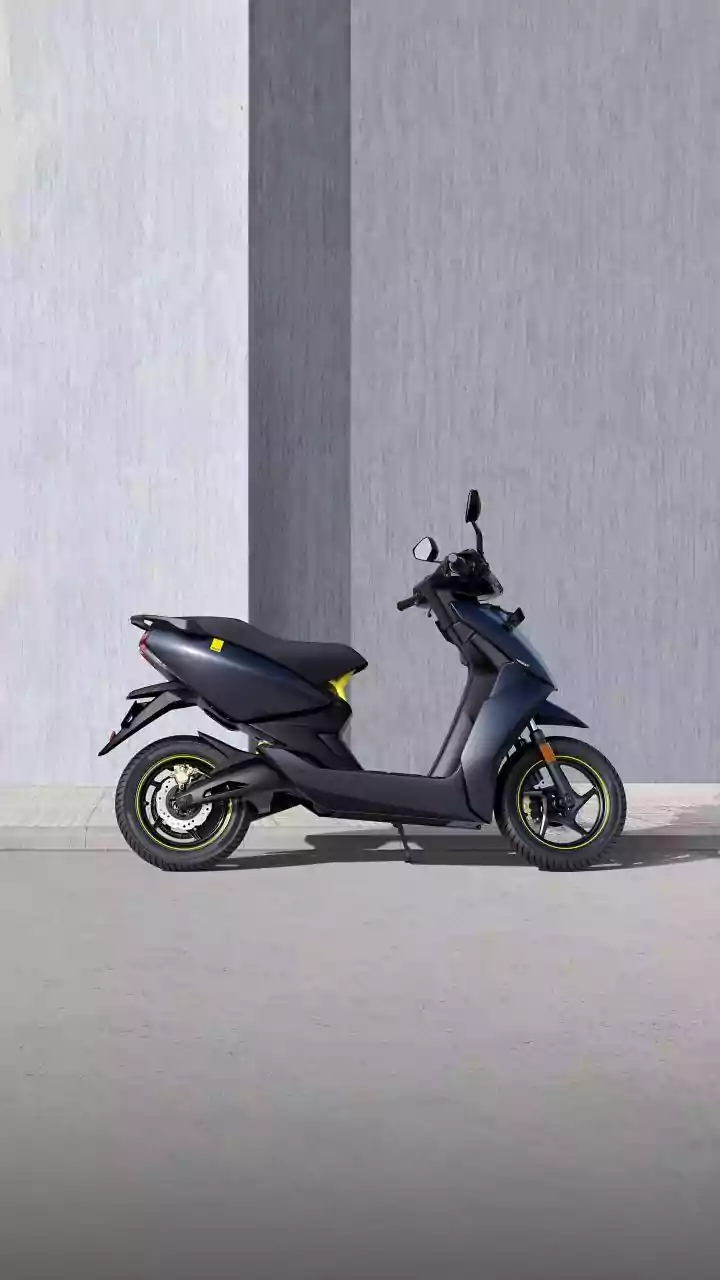



The Urban EV Challenge
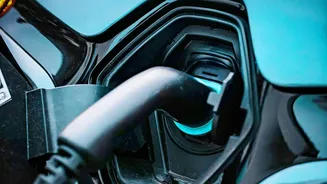
Driving an electric vehicle in a bustling city presents a unique set of problems. While EVs are ideal for reducing urban pollution, their reliance on large, heavy battery packs creates a trade-off. To get a decent range, you need a big battery, which
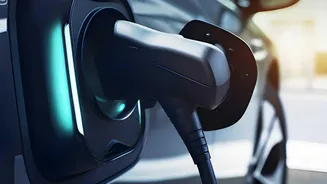
adds weight and cost, and makes the vehicle less agile on crowded streets. Furthermore, charging can be a significant hurdle. Unlike a five-minute petrol fill-up, even fast chargers for conventional lithium-ion batteries can take 30 minutes or more to reach a significant charge, a long time to wait in a city where parking is scarce and time is valuable. These limitations of current lithium-ion technology—namely energy density, charging speed, and size—have been a persistent barrier to mass EV adoption in dense urban environments.
Enter the Solid-State Solution
This is where solid-state batteries come in as a potential game-changer. At its core, a battery works by moving ions between two electrodes, a cathode and an anode. In the lithium-ion batteries that power today's EVs and smartphones, this movement happens through a liquid or gel-like substance called an electrolyte. A solid-state battery, as the name implies, replaces this flammable liquid electrolyte with a solid material, often a thin layer of ceramic, polymer, or glass. This fundamental change in design is more than just a simple swap; it overhauls the battery's properties entirely. By eliminating the liquid, solid-state batteries become inherently safer, as the risk of leaks and fires from thermal runaway is dramatically reduced. This architectural shift is the key that unlocks a cascade of other benefits.
The Magic of High Energy Density
The most significant advantage of solid-state technology is its potential for much higher energy density. Energy density is a measure of how much energy a battery can store for its size or weight. Because the solid electrolyte is more stable and compact, manufacturers can design batteries that pack more power into the same space, or achieve the same power in a much smaller, lighter package. Projections show solid-state batteries could achieve energy densities 50-80% higher than current lithium-ion cells. This is also because the solid structure allows for the use of more advanced anode materials, like lithium metal, which can store significantly more energy than the graphite anodes used today but are incompatible with liquid electrolytes. Higher energy density is the holy grail for EVs, directly translating to longer driving ranges without making the battery pack bigger or heavier.
Reimagining the City Car
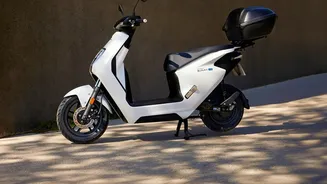
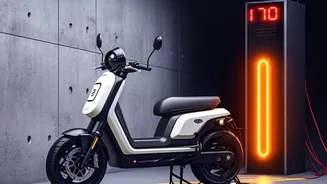
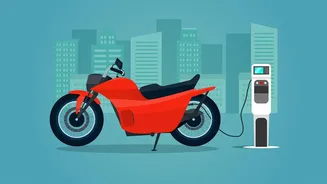
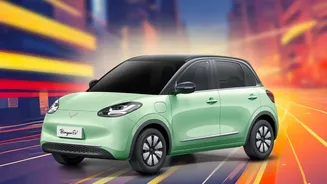
For urban EVs, the implications of high-density solid-state batteries are profound. A smaller, lighter battery pack means cars can be designed to be more compact and efficient, better suited for navigating tight city lanes and finding parking. Alternatively, a city car of the same size could boast a driving range that eliminates anxiety for all but the longest journeys, potentially reaching 700 kilometres or more on a single charge. The benefits extend to charging, too. The stable solid electrolyte can handle higher currents without degrading, which could slash charging times from 30-60 minutes down to just 10-15 minutes for an 80% charge. This starts to approach the convenience of a traditional fuel stop, removing a major pain point for city drivers who may not have access to overnight charging at home. These batteries also have a longer lifespan, capable of handling thousands of charge cycles with minimal degradation.
The Road to Reality
While the promise is enormous, solid-state batteries are not yet a common sight. As of 2026, the technology is moving from the lab toward real-world products, but significant hurdles remain. The main challenges are high manufacturing costs and the technical difficulty of producing the complex solid electrolytes at scale. Researchers are still working to solve issues like the formation of dendrites—tiny, needle-like structures that can cause short circuits. However, major progress is being made. Companies like Toyota, QuantumScape, and Solid Power, along with research labs worldwide, are deep into development, with some targeting initial production runs between 2026 and 2030. In the interim, some manufacturers are introducing 'semi-solid' batteries as a stepping stone. While fully solid-state cars for the mass market may still be a few years away, the innovation pipeline is active, and the first commercial applications are beginning to emerge, promising a future of lighter, safer, and longer-running urban EVs.