



The Science of the Swipe
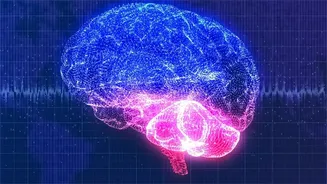
Our endless scrolling on platforms like Instagram Reels, TikTok, and YouTube Shorts is more than just a habit; it's a neurological feedback loop. Each short, snappy video provides a small burst of dopamine, the brain's pleasure chemical. This creates
a cycle of instant gratification, conditioning our minds to expect constant, rapid rewards. Researchers refer to the mental fog and difficulty concentrating after a long scrolling session as 'brain rot' or 'TikTok brain'. Studies have shown that heavy consumption of short-form video is linked to diminished attention control, making it harder to focus on tasks that require sustained concentration, like reading a book or, crucially, watching a two-hour film. The brain, accustomed to rapid context switching, grows impatient with slower-paced, longer-form content.
Patience is a Virtue, But Not for a Reel Watcher
This neurological shift is having a tangible effect on how audiences perceive movies. A 2026 study found that the ideal movie length for audiences is now a brisk 88 minutes, down from 92 minutes just two years prior. The generational divide is telling: Gen Z prefers films to clock in around 82 minutes, while Boomers are more patient at 93 minutes. This impatience is fueling a sense that modern films are either too fast or too slow. Some viewers feel movies are becoming 'excruciatingly fast,' with frantic cuts and rushed plots designed to hold a fractured attention span. Conversely, others find themselves unable to sit through a slow-burn narrative without reaching for their phone, a phenomenon often called 'second-screening'. The problem isn't that our attention capacity has vanished, but that it has become more selective and trained for constant stimulation.
Hollywood's Adaptation Game
The film industry is not oblivious to this shift. On one hand, there's a push to cater to shortened attention spans. We see this in faster-paced editing, trailers that give away major plot points to hook viewers, and marketing campaigns built around creating viral moments for social media. Studios are increasingly using platforms like TikTok not just for advertising, but for discovery, hoping social media buzz will drive ticket sales. On the other hand, a counter-trend has emerged: the rise of the 'event' film. Movies like 'Oppenheimer' or 'Avatar: The Way of Water' have demonstrated that audiences will still show up for three-hour epics if the experience feels momentous and culturally significant. This creates a paradox: while average patience shrinks, the biggest blockbusters are getting longer. The key seems to be turning a movie into an unmissable social event, a spectacle that demands the focused attention of a dark theatre.
A Surprising Twist: Gen Z Loves The Cinema
Contrary to the narrative that younger generations have abandoned theatres for their phones, recent data shows the opposite. In 2026, Fandango's annual study found that 87% of Gen Z had seen a film in theatres in the last year, the highest rate of any generation. For this demographic, moviegoing is a social event, a chance to participate in a cultural moment with friends and create their own content around the experience. They may have been raised on TikTok, but they are also driving the box office for everything from horror films to premium format screenings. This suggests that while their brains might be wired for speed, they still crave the immersive, communal experience that only a movie theatre can provide—a space free from the digital distractions of home.