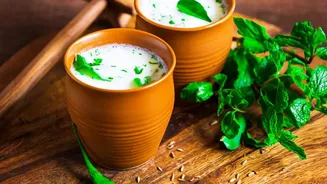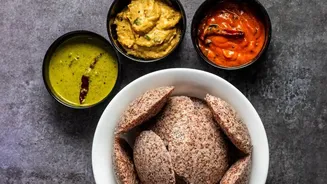






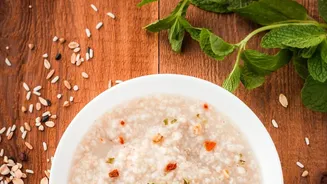

What Exactly is Ambali?
At its core, Ambali is a fermented porridge or beverage with origins deeply rooted in the agrarian communities of Southern India, particularly in states like Karnataka, Andhra Pradesh, and Telangana. For generations, it was the farmer's fuel—a simple,
nourishing, and inexpensive dish to provide sustained energy for a hard day's work. It's typically made from millet flour, most commonly ragi (finger millet), which is cooked into a porridge, then left to ferment naturally overnight in an earthen pot. The next day, this fermented base is thinned with water or buttermilk and can be seasoned to be either savoury (with salt, cumin, and chopped onions) or sweet (with jaggery). The result is a light, slightly tangy, and deeply refreshing drink.
The Science Behind the Tradition
The magic of Ambali lies in one simple, age-old process: fermentation. When the cooked millet porridge is left to sit overnight, naturally occurring bacteria and yeasts get to work, breaking down the starches and sugars. This process transforms the simple gruel into a probiotic powerhouse, fostering the growth of beneficial bacteria like Lactobacillus, similar to those found in yoghurt. Modern wellness conversations are dominated by the term 'gut health,' and Ambali is a perfect, traditional example of a food that supports it. These live microorganisms help nourish the gut microbiome, which can improve digestion, enhance nutrient absorption, and support a healthy immune system. Scientific studies have shown that fermented ragi porridge is an excellent source of probiotics that can survive the digestive tract.
A Nutritional Powerhouse Beyond Probiotics
While its probiotic qualities are a major draw, Ambali's health benefits don't stop there. Ragi, the star ingredient, is a nutritional champion in its own right. It is naturally gluten-free and one of the best plant-based sources of calcium, crucial for bone health. It's also rich in dietary fibre, iron, and essential amino acids. The high fibre content promotes a feeling of fullness, which can aid in weight management by reducing unnecessary snacking. Furthermore, Ambali is known for its natural cooling properties, making it an ideal drink to combat India's summer heat and maintain hydration. Its low glycemic index also helps in regulating blood sugar levels, making it a suitable choice for many.
The Millennial Appeal: Authenticity Over Hype
So, why is this rustic drink suddenly finding favour with urban millennials? The answer lies in a broader cultural shift. There's a growing movement among young, health-conscious Indians to reconnect with their roots and embrace traditional wisdom. In a market saturated with processed foods and expensive, imported 'superfoods,' Ambali offers a sense of authenticity. It is simple, sustainable, and represents a return to a cleaner way of eating. This revival mirrors the renewed interest in other traditional Indian foods and beverages, from Kanji to Sol Kadhi. The appeal is not just about health; it's about reclaiming a piece of Indian heritage that was being overshadowed by global trends. It represents a conscious choice to look into our own kitchens for wellness solutions that are both effective and culturally resonant.
From Village Staple to Cafe Chic
The journey of Ambali from a farmer’s breakfast to a trendy wellness drink is fascinating. While many continue to make it at home, appreciating the simple, cost-effective process, it's also beginning to appear on the menus of urban cafes. These establishments are giving the traditional drink a modern makeover, serving it chilled in stylish glasses with contemporary garnishes, making it more visually appealing to a younger demographic. This adaptation helps bridge the gap between tradition and modern lifestyles. It allows busy city dwellers to access the benefits of this ancient drink in a convenient format. This trend shows that Ambali is not just a relic of the past but a versatile and relevant beverage perfectly suited for the health priorities of today.