





What Exactly Is El Niño?
El Niño is a natural climate pattern characterized by the unusual warming of sea surface temperatures in the central and eastern Pacific Ocean. Think of it as a large-scale heat transfer in the ocean that is powerful enough to disrupt atmospheric circulation
and weather patterns worldwide. This isn't a new phenomenon; El Niño events occur every two to seven years on average. However, forecasts for the current 2026 event suggest it could become particularly strong, informally known as a "Super El Niño," with its impacts potentially lasting well into 2027. This strengthening raises the stakes for countries that are sensitive to its effects, including India.
The Monsoon Connection
For India, El Niño's primary importance lies in its well-documented connection to the southwest monsoon. Typically, a strong El Niño is associated with a weaker monsoon. The warming of the Pacific Ocean can alter air pressure and wind patterns, which can suppress the moisture-laden winds that flow from the ocean to the Indian subcontinent during the summer. This often results in reduced overall rainfall. The India Meteorological Department (IMD) has cited the developing El Niño as the primary reason for forecasting a below-average monsoon for 2026, with cumulative rainfall expected to be around 90-92% of the long-period average. Recent data shows the monsoon season is already tracking a significant deficit, on course to be the driest in over a decade.
Shifting Rainfall, Not Just Less
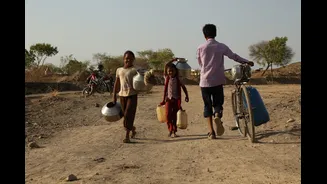
The impact isn't just about a lower total volume of rain; it's also about erratic distribution. An El Niño year can lead to prolonged dry spells punctuated by short bursts of intense rain, which is less effective for agriculture than steady, consistent showers. The 2026 monsoon has already shown this uneven character. Forecasts suggest that while Northwest India might receive near-normal rain, key agricultural belts in Central, South Peninsular, and Northeast India are projected to face below-normal precipitation. This geographical disparity means some regions will be hit much harder than others, creating localized water stress even if the national average doesn't seem disastrous.
The Impact on the Fields
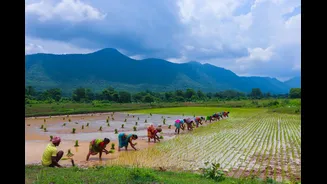
For India's farmers, these changes are critical. Around 60% of the country's farmers depend directly on monsoon rains for their Kharif (summer) crops. A deficient and erratic monsoon directly impacts crop sowing, growth, and final yield. Water-intensive crops like rice, maize, and sugarcane are particularly vulnerable to water stress and heat damage caused by long dry spells. In past El Niño years, Kharif crop output has seen significant reductions. Farmers may face delayed sowing, poor germination, and increased dependence on irrigation, which raises production costs and strains already scarce groundwater resources. This threatens not only their livelihoods but also the nation's food supply.
Beyond the Farm
The ripple effects of a weak monsoon extend far beyond the agricultural sector. Reduced agricultural output can lead to lower farmer incomes, which in turn dampens rural demand for goods and services, affecting industries from fast-moving consumer goods (FMCG) to tractors. More directly for urban consumers, a poor harvest can fuel food price inflation, putting pressure on household budgets. While India has built some resilience with buffer stocks and improved irrigation, a strong El Niño event still presents a significant economic headwind, straining government resources and impacting overall growth.
Preparing for a Drier Spell
While El Niño poses a threat, it does not guarantee an agricultural disaster. Preparedness is key. Governments and agricultural agencies are focusing on contingency plans, promoting drought-resistant crop varieties like millets, and issuing weather-based advisories to help farmers make informed decisions. For farmers, strategies like water conservation, efficient irrigation techniques such as drip systems, and diversifying crops can help mitigate some of the risks. Viewing El Niño as a risk signal rather than a predetermined outcome encourages proactive planning, which is essential for building resilience in the face of climate uncertainty.